A new Indonesian defence policy has put LGBTQI+ expression in the spotlight, prompting Amnesty International Indonesia to warn that the classification could deepen discrimination, intimidate students and chill public debate. The controversy matters far beyond one regulation, as activists fear it may encourage harassment while narrowing space for education, journalism and peaceful expression.
Essential Takeaways
- A new classification: Presidential Regulation No. 111 of 2025 lists the spread of LGBTQI+ culture among perceived non-military threats to Indonesia.
- Human rights concerns: Amnesty says the policy risks legitimising discrimination, threats and violence against LGBTQI+ people.
- Campus controversy: A University of Indonesia student post discussing scientific evidence about homosexuality was removed after public criticism.
- Journalists targeted: Student reporters covering Pride Month and identity issues reportedly faced doxxing, stalking and intimidation.
- Wider context: Earlier reports of caning and flogging gay men highlight the harsh environment facing LGBTQI+ people in parts of Indonesia.
Why the regulation has triggered such alarm
The dispute centres on Presidential Regulation No. 111 of 2025, a document setting out Indonesia's general national defence policy for 2025 to 2029. According to the Library of Congress, the regulation places the spread of LGBTQI+ culture alongside other perceived non-military threats, including terrorism, separatism, radicalism and prohibited ideologies. That grouping has made the policy far more than a technical defence measure in the eyes of rights groups. [5]
Amnesty International Indonesia says the wording risks turning prejudice into something that appears officially sanctioned. Its executive director, Usman Hamid, argued that treating LGBTQI+ culture as a threat could leave an already marginalised community more exposed to harassment and violence. The concern is practical as well as symbolic: once a label appears in state policy, hostile actors may feel emboldened. [2]
The regulation was signed by President Prabowo Subianto in October 2025, but public attention intensified in July 2026 after a dispute over a university social media post. Reporting from Indonesian outlets shows how quickly the issue moved from a policy document into a national argument about identity, morality and the limits of speech. [6]
A campus post became a national flashpoint
The immediate controversy began with a post from the Student Executive Board at the University of Indonesia's Faculty of Psychology. It referred to the American Psychological Association's position that homosexuality isn't a mental disorder, presenting the point as science-based information rather than political campaigning. The post was later removed, although screenshots had already spread across social media. [2]
Criticism followed from the Indonesian Ulema Council and several lawmakers. Amnesty says the episode raises serious questions about academic freedom and whether students can share established scientific information without being branded a threat. That's a worrying shift, particularly on a campus where debate and evidence should be part of the furniture. [7]
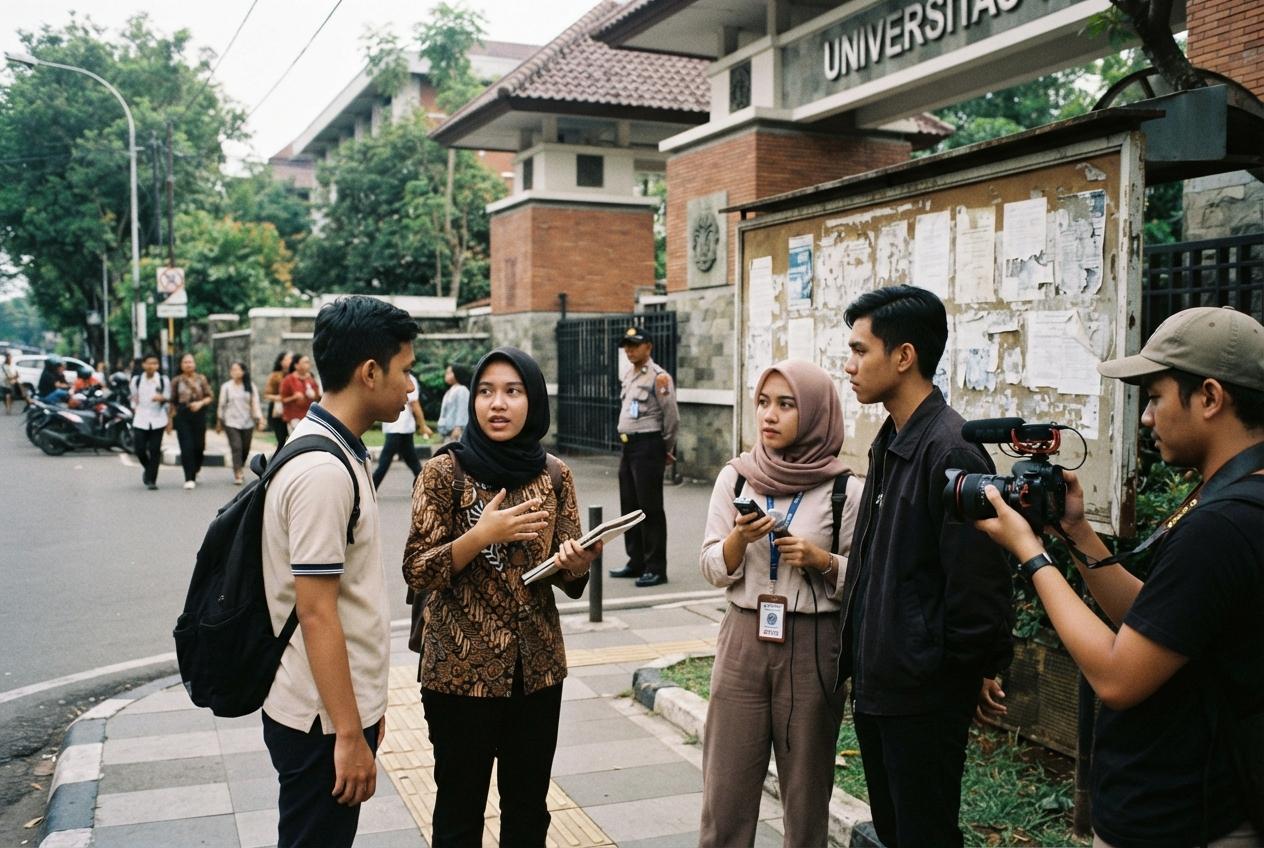
The argument has also spilled into student journalism. Reports cited by Amnesty say members of the University of Indonesia student publication Suara Mahasiswa faced intimidation, doxxing and stalking after publishing material linked to Pride Month, sexual orientation and gender identity. Those allegations remain deeply troubling even before questions of criminal liability are settled, because anonymous pressure can silence people without a formal ban. [2]
The human cost is not just online
For LGBTQI+ Indonesians, the debate lands against a wider background of discrimination and punishment. Amnesty International previously described the flogging of two gay men in Aceh as a horrifying act of discrimination, while a later report called the caning of gay men an act of cruelty. These cases illustrate how legal and social hostility can become physical harm. [3]
Aceh's local application of Islamic law is distinct from national policy, but the broader message still matters. When public officials, influential organisations or state institutions describe LGBTQI+ identities and expression as dangerous, people may reasonably fear that abuse will be ignored or excused. Amnesty has warned that both state and non-state actors have responsibilities to prevent threats and violence. [4]
There is also a quieter consequence: self-censorship. Students may avoid writing about sexuality, editors may drop relevant stories and researchers may steer away from subjects likely to attract abuse. It doesn't take a formal prohibition to shrink public discussion; sometimes the threat of being identified is enough.
What the policy means for free expression
Indonesia ratified the International Covenant on Civil and Political Rights through Law No. 12 of 2005. Article 26 establishes equality before the law and protection from discrimination, a commitment Amnesty says should guide the government's response to LGBTQI+ people and critics of the regulation. [2]
That legal context is central to the argument. Classifying expression about LGBTQI+ lives as a security concern may collide with protections for equality, speech and academic inquiry, particularly when the expression consists of medical or psychological information. The Library of Congress noted the significance of the regulation's wording because it places LGBTQI+ culture within a broader official framework of perceived national threats. [5]
For ordinary readers, the distinction is worth keeping clear. Discussing sexual orientation, reporting on Pride Month or sharing a professional medical association's findings isn't the same as promoting violence or terrorism. Blurring those categories can make public debate less accurate, not more secure.
What happens next?
Amnesty International Indonesia is calling for the regulation to be withdrawn and for authorities to protect LGBTQI+ people from hate speech, threats and violence. It also wants the government to meet its constitutional and international human rights obligations. [2]
The pressure will likely continue through universities, newsrooms and social media, where the practical limits of the policy are being tested in public. Earlier reports of punishment against gay men and the latest campus intimidation allegations suggest that the issue won't disappear simply because one post was deleted. [3]
The immediate test is whether Indonesian authorities treat criticism and identity-related discussion as matters for open debate, or as security problems requiring suppression. For students and journalists especially, that choice could determine whether online spaces remain noisy and imperfect, or become quietly fearful.
It's a small-looking policy phrase with consequences that could reach classrooms, newsrooms and everyday lives.
Source Reference Map
Story idea inspired by: [1]
Sources by paragraph: