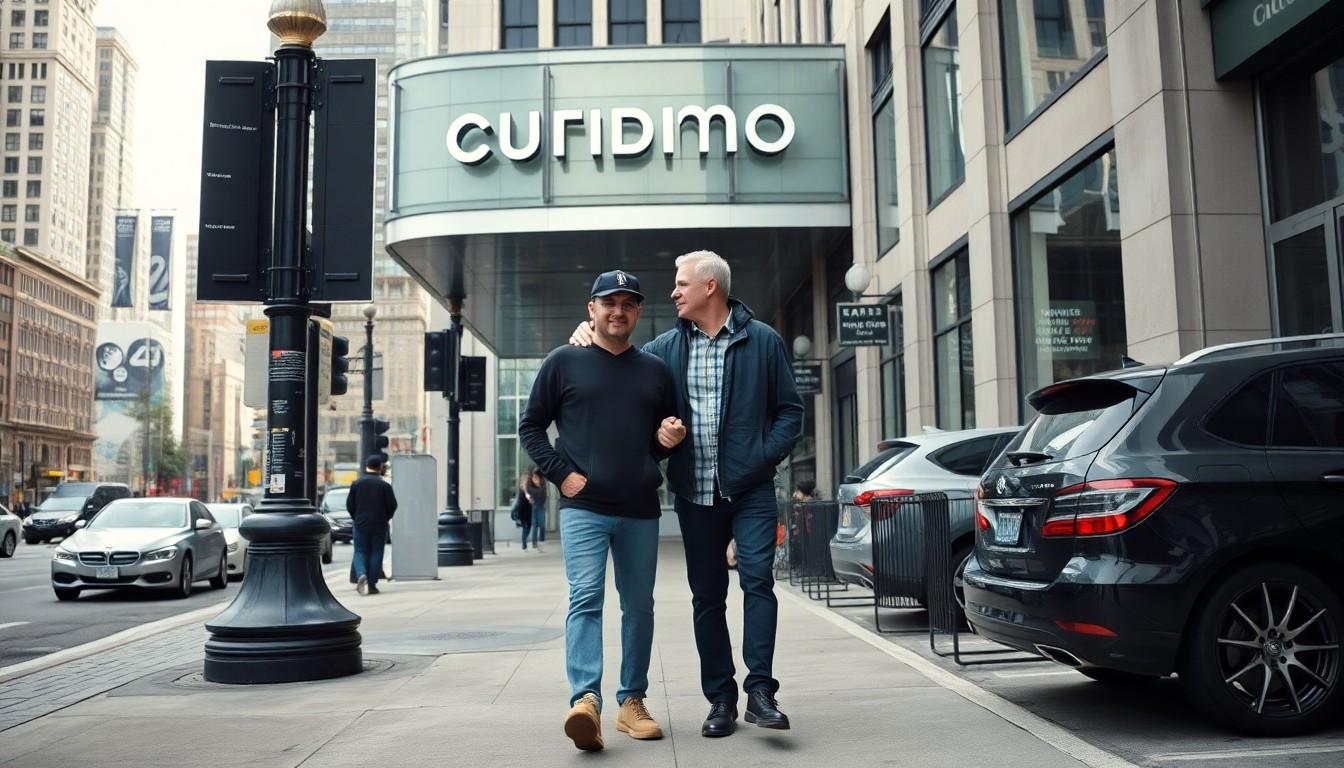
Viewers are being offered a warm, funny glimpse into Frank DeCaro and Jim Colucci's decades-long relationship, from an unexpected 1990s meeting to a shared life spanning New York and Los Angeles. Their LGBTQ Archives interview matters because it preserves not just a romance, but the everyday history of two prominent voices in queer media and culture.
Essential Takeaways
- A relationship with history: DeCaro and Colucci trace their partnership back to the 1990s.
- A modern beginning: A memoir and early AOL messages helped spark their connection.
- More than celebrity: Their story reflects the humour, persistence and tenderness behind a lasting marriage.
- An archival moment: LGBTQ collections help preserve personal stories often overlooked by mainstream history.
- A shared creative life: Both men have built careers as authors and cultural commentators.
A love story that began before social media
The most charming detail is how ordinary the beginning sounds: a chance encounter, a memoir and messages exchanged online when AOL instant messaging still felt futuristic. It is a reminder that many enduring relationships begin with a small opening rather than a grand cinematic gesture.
According to Greg In Hollywood, Frank DeCaro and Jim Colucci have been part of overlapping entertainment and LGBTQ circles for decades. Their bond has grown alongside busy creative careers, public appearances and homes on both coasts. That combination of glamour and domestic familiarity gives the story its appeal.
Why their LGBTQ Archives interview matters
The interview is valuable because it captures lived experience in the couple's own voices. Rather than reducing their relationship to a timeline of milestones, it leaves room for wit, memory and the practical work involved in building a life together.
That approach also fits the wider purpose of LGBTQ archives. The US National Archives notes that queer history is held across government, community and cultural collections, while organisations such as the LGBTQ Archives preserve materials that might otherwise disappear. Personal testimony can be as revealing as a headline event, especially when it shows how people actually navigated love, work and identity.
From queer media to a shared creative life
DeCaro and Colucci are not simply remembered as a long-term couple. They have also developed individual and shared reputations as writers, authors and commentators, giving them a place in the broader story of queer popular culture.
Frank DeCaro is known for work across television, radio and writing, while reference material such as Wikipedia records his public career and cultural contributions. Colucci, meanwhile, has also written and worked in media. Together, they show how professional ambition and personal partnership can coexist without one swallowing the other.
The quiet power of visibility
There is something reassuring about seeing a long-term gay couple talk about the years between the big moments. Public representation often favours beginnings, weddings or dramatic turning points, but lasting love is usually made from repetition: showing up, making each other laugh and carrying on through changing times.
The wider archival movement makes those details easier to protect. The ONE Archives at USC describes its collection as a major resource for LGBTQ materials, while the LGBTQ History Project highlights the importance of recording community memories. DeCaro and Colucci's conversation belongs in that tradition because it connects personal affection with a much larger cultural record.
What younger viewers can take from their story
For younger LGBTQ audiences, the couple's history offers a welcome sense of continuity. Their relationship began before dating apps, video calls and algorithm-driven visibility, yet its emotional ingredients remain familiar: curiosity, messages, shared interests and the hope that a promising conversation might become something more.
It also gently challenges the idea that queer relationships are defined only by struggle. Their story includes resilience, but it includes pleasure, humour and ambition too. That balance feels especially important in an archive, where joy deserves to sit beside the harder chapters.
Their story is a lovely reminder that history is often made in living rooms, message windows and ordinary acts of devotion.
Explore the interview and the archives that help keep queer stories visible.
Source Reference Map
Story idea inspired by: [1]
Sources by paragraph: