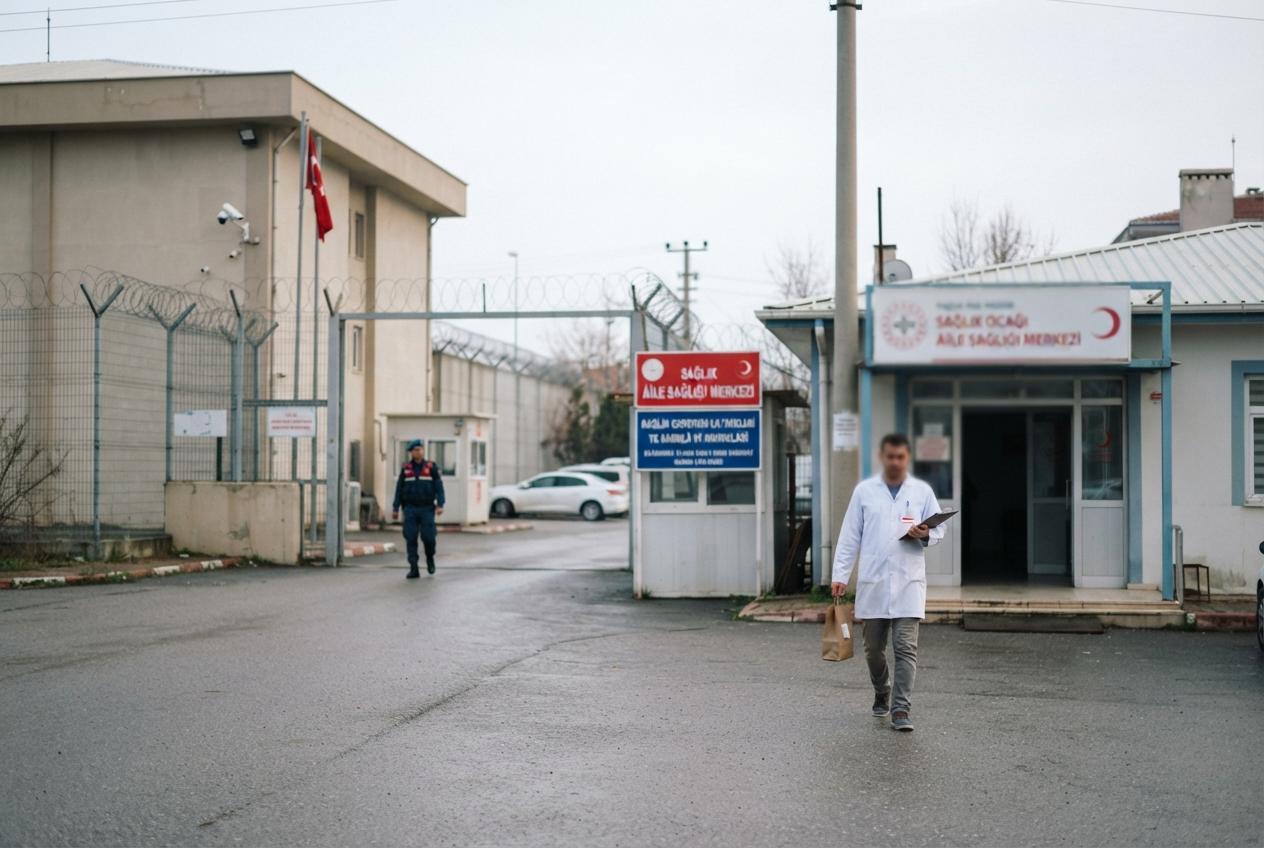
Rights groups in Türkiye are warning that people living with HIV have been isolated in custody after arrests linked to LGBTI+ and rights campaigns. The concern is both immediate and practical: HIV isn't spread by ordinary contact, while missed medication can quickly put health at risk.
Essential Takeaways
- Isolation has no medical basis: HIV isn't transmitted through sharing space, touching or everyday contact.
- Treatment must continue: Interrupting antiretroviral medication can seriously endanger a person's health.
- Detention raises risks: People in custody need reliable access to medicines, clinicians and confidential care.
- Stigma can damage public health: Criminalising HIV support work may discourage testing, prevention and treatment.
- The issue is wider than one case: Similar concerns around HIV-related discrimination have affected migrants and other vulnerable groups.
Isolation isn't a safety measure for HIV
The most troubling detail is also the simplest to correct. People living with HIV reportedly placed in isolation after arrests in Türkiye are being separated on the basis of a virus that cannot pass through casual contact.
According to Pozitif Alan, those detained during operations targeting LGBTI+ people and rights advocates were isolated without a medical justification. HIV isn't spread by sharing a room, touching someone's skin or being near them, so the measure looks less like infection control and more like institutionalised stigma.
That distinction matters. In a prison setting, isolation can affect mental health, legal access and contact with support networks, while doing nothing to protect other detainees from HIV.
Why uninterrupted HIV medicine matters
For someone taking antiretroviral treatment, a prison transfer or sudden detention shouldn't mean a gap in care. Medicines need to be available on schedule, with healthcare staff able to manage prescriptions, side effects and any other conditions.
Pozitif Alan warned that delays could seriously threaten the health of imprisoned people living with HIV. The practical answer is straightforward: detention authorities and health officials should check medication needs immediately, protect confidentiality and ensure treatment follows the individual rather than stopping at the prison gate.
This is especially important because treatment isn't a one-off intervention. It works through consistency, and a quiet interruption can have consequences long after the headlines fade.
The crackdown has implications beyond custody
The reported arrests were connected to operations described as targeting LGBTI+ people and rights advocates, including people involved in HIV testing, prevention and treatment access. That creates a worrying public-health contradiction: the people helping communities reach care may be treated as though their work itself is suspicious.
Earlier reporting on Türkiye has also highlighted pressure on LGBTQ+ and HIV-support organisations, suggesting the latest allegations sit within a broader climate of scrutiny. When outreach becomes risky, people may be less willing to seek tests, ask about prevention or collect treatment.
Public health depends on trust, not fear. If people believe that seeking HIV-related help could expose them to discrimination or legal trouble, the damage reaches well beyond those directly detained.
A familiar pattern of HIV-related discrimination
HIV stigma isn't confined to prisons or one country. Reporting collected by HIV Justice Worldwide has also documented cases involving refugees whose legal protection was reportedly withdrawn after an HIV diagnosis, despite protections in Turkish regulations.
That wider context makes the current concern harder to dismiss as an isolated administrative error. Immigration status, sexuality, detention and health can overlap in ways that leave people especially exposed, with a diagnosis wrongly treated as evidence of danger.
The lesson for officials is plain: HIV status should never determine someone's dignity, access to medicine or basic legal protections. A modern response starts with evidence-based healthcare and ends with equal treatment.
What responsible detention should look like
Authorities should begin with an individual medical assessment, not a diagnosis-driven assumption. People living with HIV in custody should receive uninterrupted medication, appropriate clinical monitoring and private consultations, while staff should be trained in how HIV is and isn't transmitted.
Independent oversight also matters. Clear complaints routes, access to lawyers and confidential healthcare can help identify missed doses or discriminatory treatment before the harm becomes irreversible.
For readers, the broader message is worth holding on to: HIV is a manageable health condition, not a reason to isolate someone. As one rights group put it in its response to the reported detentions, continuity of treatment is vital. That should be treated as a basic duty, not an optional kindness.
It's a small set of evidence-based safeguards, but it can prevent enormous harm.
Source Reference Map
Story idea inspired by: [1]
Sources by paragraph: