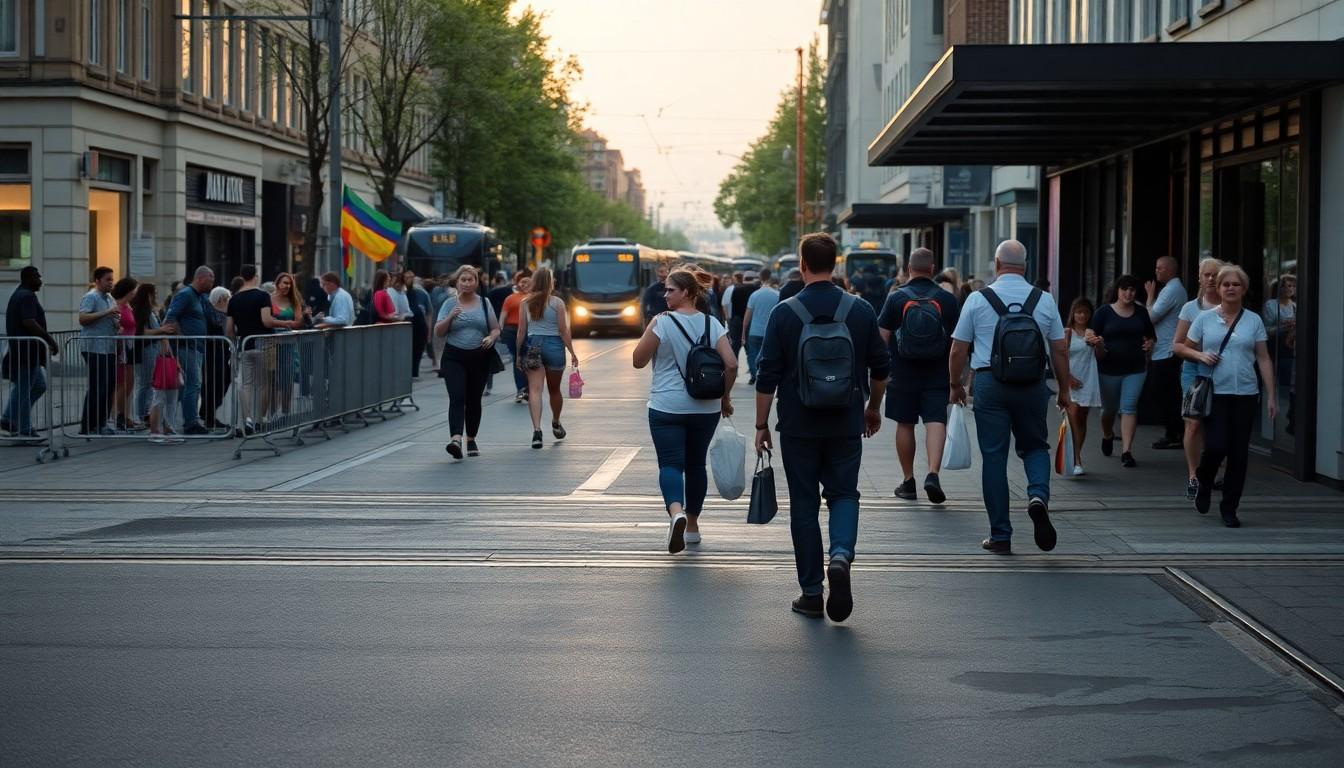
Visitors and residents in Amsterdam filed more than 500 discrimination reports during WorldPride, with dozens describing physical violence. The figures underline a troubling reality: even a city-wide celebration of LGBTQ+ identity didn't always feel safe, particularly on public transport, during taxi journeys and on the streets between events.
Essential Takeaways
- More than 500 reports: Rita and Discriminatie.nl recorded 516 reports during the two-week WorldPride period.
- Physical attacks were reported: 38 accounts described people being hit, kicked, pelted or deliberately targeted by a vehicle.
- Travel was a flashpoint: Many incidents happened while people were travelling to or from events, rather than inside them.
- Taxi access mattered: Fifteen reports involved taxi or Uber drivers, including alleged refusals to carry passengers.
- Safer Spaces offered support: Amsterdam introduced support points across the city, which were used dozens of times.
A celebration that didn't feel safe for everyone
Amsterdam's WorldPride celebrations brought colour, music and huge crowds, but the numbers behind the event are far less joyful. According to reports from NL Times and local Dutch media, Rita received 516 notifications of discrimination during the two-week programme, with more than four in five involving insults or verbal abuse.
The reported behaviour ranged from shouted comments from passing cars to people being followed for several minutes. That broad spectrum matters. A single slur can be frightening, but sustained harassment can turn an ordinary walk home into something much more threatening.
38 reports described physical violence
The most serious accounts involved 38 reports of physical attacks. People said they were struck on the head, kicked, or hit by drinks, eggs and cans, while another report described a car being driven intentionally towards pedestrians, according to RTL Nieuws and Essentially Amsterdam.
Seven reports mentioned injuries or hospital treatment, including a concussion and a broken nose. Those details make the figures feel painfully concrete. Behind every statistic is someone deciding whether to carry on to the party, find help or simply get home safely.
The journey home became part of the story
WorldPride ran from 25 July to 8 August, although reports continued to arrive afterwards. Crucially, many complaints weren't about the official events themselves. More than one in five explicitly referred to the trip to or from an event, while around one in five mentioned a station, train, tram, bus or metro.
That pattern echoes Amsterdam's wider concern about LGBTQ+ safety in public places. Earlier plans to expand reporting points and treat anti-LGBTQIA+ violence as a priority show why the route between venues can't be treated as an afterthought, as NL Times has reported.
Taxi refusals leave people exposed
Fifteen reports concerned taxi or Uber drivers, including six allegations that passengers were refused a ride. Rita argues that this goes beyond rudeness: when someone is turned away late at night, they're left standing outside and potentially forced to find another route through an unsafe environment.
The reports most commonly involved sexual orientation, with people linking incidents to holding hands, carrying a rainbow flag, wearing make-up or choosing particular clothes. Around 20 per cent concerned gender identity or sex, according to the Dutch coverage. In other words, visibility itself was often described as the trigger.
Turning reports into action
Rita says it will discuss the findings with Amsterdam's council and police. The organisation's co-founder, Jerrald Justin, told ANP that the responsibility now lies in making sure the reports don't simply disappear into a pile of paperwork, as reported by RTL Nieuws.
The organisation also stresses that its figures don't measure the full scale of discrimination. They show what people were willing and able to report, which is a different thing. Many incidents never reach a reporting service, especially when someone is tired, shaken or unsure whether anything will happen next.
For the first time, Safer Spaces were available across the city for anyone feeling unsafe. They were reportedly used dozens of times, offering a practical reminder that visibility needs protection as well as celebration. Pride should feel like a public welcome, not a test of how much hostility people can endure.
The lesson for future events is straightforward: security planning must cover the whole evening, from the parade route to the station platform and the final ride home.
A celebration is only truly inclusive when people can get home safely.
Source Reference Map
Story idea inspired by: [1]
Sources by paragraph: