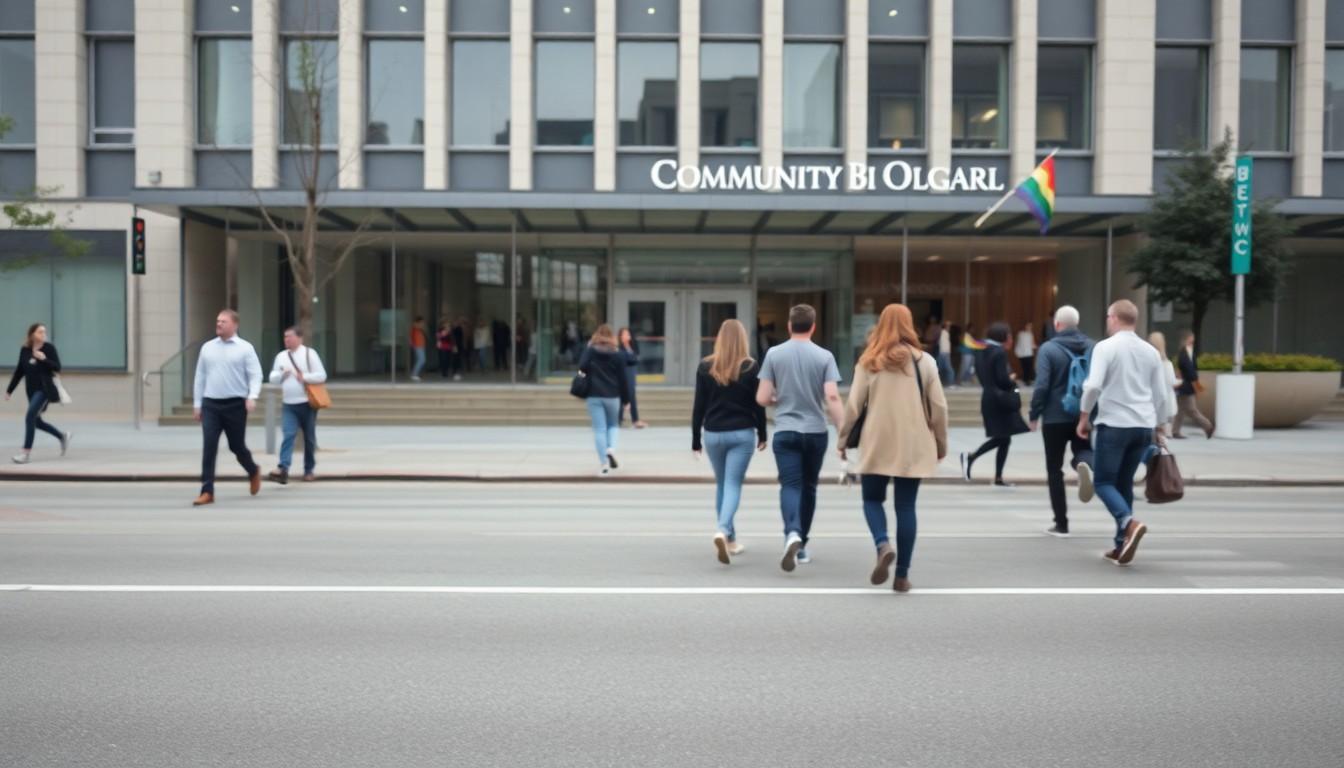
People around the world mark International Bisexuality Day on 23 September to challenge biphobia, celebrate bisexual visibility and defend equal rights. The annual observance has roots in 1990s activism, with a date linked to both a prominent campaigner and Freddie Mercury, giving the occasion cultural as well as social significance.
Essential Takeaways
- The date: International Bisexuality Day is observed every year on 23 September.
- The origins: Activists Wendy Curry, Michael Page and Gigi Raven Wilbur helped establish the observance in 1999.
- The purpose: It confronts prejudice, erasure and discrimination faced by bisexual people.
- The wider context: Bisexuality is part of the broad LGBTQIA+ spectrum, represented by the plus sign.
- The cultural link: Freddie Mercury's September birthday is often cited as one influence behind the chosen month.
What International Bisexuality Day stands for
International Bisexuality Day is more than a date on the calendar. It's a public reminder that bisexual people deserve to be recognised without having their identity questioned, reduced to stereotypes or treated as a temporary phase.
The occasion focuses on visibility, but it also has a serious human rights purpose. Amnesty International has documented discrimination, violence and mistreatment affecting people because of their sexual orientation, while bisexual people can face prejudice both outside and within LGBTQIA+ communities.
That double pressure helps explain why visibility matters. When an identity is ignored or misunderstood, harmful assumptions can fill the gap.
How the observance began in 1999
The day emerged during a period when bisexual activists in the United States were pushing back against widespread biphobia and the feeling that bisexual experiences were being left out of mainstream LGBTQIA+ organising.
Wendy Curry, Michael Page and Gigi Raven Wilbur are widely credited with establishing the international observance in 1999. The initiative was associated with an annual conference of the International Lesbian, Gay, Bisexual, Trans and Intersex Association in Johannesburg, South Africa, according to historical accounts shared by Amnesty International.
Their message was straightforward but significant. Gay and lesbian activism had gained public recognition, yet bisexual people still often felt invisible. That observation remains relevant today, particularly when bisexuality is wrongly framed as indecision or a halfway point between other identities.
Why is it celebrated on 23 September?
The choice of September brings together personal history and cultural symbolism. Gigi Raven Wilbur, one of the activists behind the initiative, has a birthday on 23 September, making the date a direct tribute to her contribution.
The month is also associated with Freddie Mercury, Queen's celebrated frontman, who has long been regarded as an important bisexual cultural figure. Mercury was born on 5 September 1946, so his legacy helped give the month an added sense of recognition and visibility.
It isn't a claim that one celebrity represents every bisexual experience. Rather, the connection shows how personal activism and familiar cultural figures can help bring a broader conversation into public view.
Why visibility still matters
Bisexuality describes the capacity for attraction to more than one gender, but people experience and describe their identities in different ways. There isn't a single appearance, relationship pattern or personal story that defines bisexual people.
That basic point is easy to overlook, especially when public discussion focuses too heavily on who someone is dating. A bisexual person remains bisexual regardless of the gender of their current partner, and a relationship doesn't erase their identity.
International Bisexuality Day therefore offers a useful opportunity to listen rather than assume. It can mean learning the language people use for themselves, challenging casual jokes and supporting policies that protect people from discrimination.
A date for solidarity, not just celebration
The day sits within the wider LGBTQIA+ movement, whose plus sign acknowledges identities and communities not fully represented by the initial letters. It also connects to a broader principle: human rights shouldn't depend on custom, belief or whether other people understand someone's orientation.
For readers looking to mark the occasion, small actions can still matter. Share accurate information, support bisexual-led organisations, challenge biphobic comments and make space for bisexual voices in conversations about equality.
The most useful observances don't end when the date passes. They encourage a quieter, everyday habit of respect, which is often where lasting change begins.
A little more visibility can make room for a lot more understanding.
Source Reference Map
Story idea inspired by: [1]
Sources by paragraph:
- Paragraph 1: [2], [5]
- Paragraph 2: [3], [4]
- Paragraph 3: [5], [6]
- Paragraph 4: [2], [4]
- Paragraph 5: [5], [6]
- Paragraph 6: [2], [3]
- Paragraph 7: [4], [5]
- Paragraph 8: [6], [7]
- Paragraph 9: [7], [5]
- Paragraph 10: [2], [3]
- Paragraph 11: [5], [6]
- Paragraph 12: [3], [4]
- Paragraph 13: [2], [5]
- Paragraph 14: [4], [6]
- Paragraph 15: [5], [7]
- Paragraph 16: [2], [3]
- Paragraph 17: [4], [5]
- Paragraph 18: [2], [6]
- Paragraph 19: [3], [5]