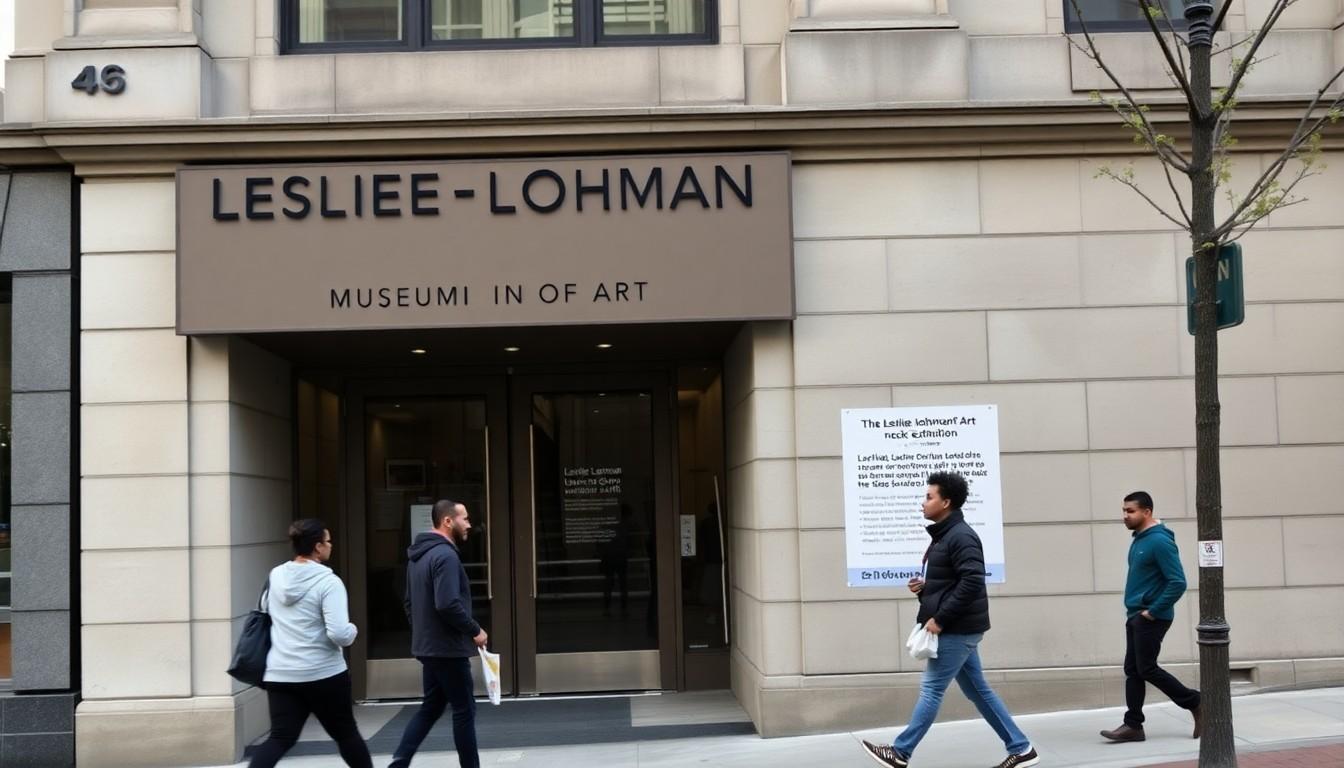
Visitors in New York can experience a powerful new exhibition of Black LGBTQ+ visual artists at the Leslie-Lohman Museum of Art from 29 September to 4 October. Supported by GLAAD’s Equity in Media and Entertainment Initiative, the show arrives as a timely reminder that visibility, community and creative freedom still matter.
Essential Takeaways
- Opening dates: Nemesis: Remember runs from 29 September to 4 October in New York City.
- A focused platform: The exhibition spotlights Black LGBTQ+ artists connected with GLAAD’s EMEI programme.
- More than display space: The initiative combines funding, mentorship, industry access and community support.
- A wider conversation: Leslie-Lohman’s programme has long explored queer identity, history and visual culture.
- Wellbeing matters: GLAAD is also placing mental health and emotional support alongside artistic development.
A timely exhibition with something to say
The strongest message behind Nemesis: Remember is simple: Black LGBTQ+ artists are still here, still making work and still demanding room to be seen. Opening at the Leslie-Lohman Museum of Art, the exhibition gives that message a physical home, with artworks gathered against a tense political backdrop.
That setting feels especially significant. Leslie-Lohman describes itself as a museum dedicated to LGBTQ+ art and culture, making it a natural venue for a show focused on identity, visibility and artistic autonomy. Its wider programme has consistently treated queer art as a vital record of lived experience, rather than a niche addition to the cultural calendar.
Why visibility feels urgent now
GLAAD’s exhibition arrives as diversity initiatives, museum programming and queer representation face renewed political pressure in the United States. For artists whose work already sits at the intersection of race, sexuality and gender, the cultural debate can feel less like an abstract argument and more like a direct threat to opportunity.
The response from GLAAD is practical as well as symbolic. Through its Equity in Media and Entertainment Initiative, the organisation is offering support intended to help Black queer creatives and people living with HIV develop their careers and invest in their work. That matters because a gallery wall can create attention, but sustained resources help artists keep going.
Leslie-Lohman’s past exhibitions, including Through Different Eyes, Sacred and Profane and Indecencia, show how the museum uses art to examine queer perspectives across different histories and communities. Nemesis: Remember sits comfortably within that tradition while bringing a sharper focus to the experiences of Black LGBTQ+ artists.
Support goes beyond the gallery wall
A polished exhibition opening is exciting, but artists need more than a launch night and a press photograph. GLAAD’s approach includes financial backing, mentors and introductions to professional opportunities, all of which can make a meaningful difference to creatives navigating an uneven industry.
The programme also recognises a less visible pressure: exhaustion. Artists working in politically charged times are often expected to turn personal experience into public work while remaining endlessly resilient. GLAAD has made mental health part of its conversations with artists, encouraging participants to protect time for joy and recovery as well as production.
That may sound like a small gesture, but it is a sensible one. Creative careers are marathons, and even the most determined artist needs space to breathe. A quiet afternoon, a good meal or time away from the screen can be as useful as another networking event.
A broader future for queer creative support
GLAAD has traditionally been closely associated with film and television advocacy, yet the EMEI programme signals a broader understanding of how culture is made. Visual artists, independent musicians and filmmakers share many of the same barriers, from limited funding to restricted access and the pressure to explain their identities before their work is taken seriously.
The organisation is also developing a creator community designed to connect artists with briefings, industry events and research. That could give participants a stronger grasp of the cultural and political forces shaping their careers, while offering the reassurance of a network that understands the work from the inside.
Leslie-Lohman’s Black Magic exhibition likewise reflects the importance of giving Black queer artists dedicated space and context. Taken together, these programmes suggest that the future of representation won't depend on one exhibition alone, but on relationships that continue after the gallery closes.
What visitors can expect from the show
For visitors, Nemesis: Remember offers more than a quick cultural stop. It is an opportunity to encounter work shaped by memory, identity and resistance, presented in a museum whose entire mission centres on LGBTQ+ creative expression.
The short run makes planning worthwhile, particularly for anyone already visiting New York between late September and early October. Check the museum’s current visitor information before travelling, and allow time to explore its wider programme if you're interested in seeing how the exhibition connects with other queer art histories.
There is something quietly powerful about a show that refuses disappearance. In a difficult moment, visibility isn't everything, but it is a beginning.
Explore the exhibition and support the artists whose work keeps queer history visible.
Source Reference Map
Story idea inspired by: [1]
Sources by paragraph: