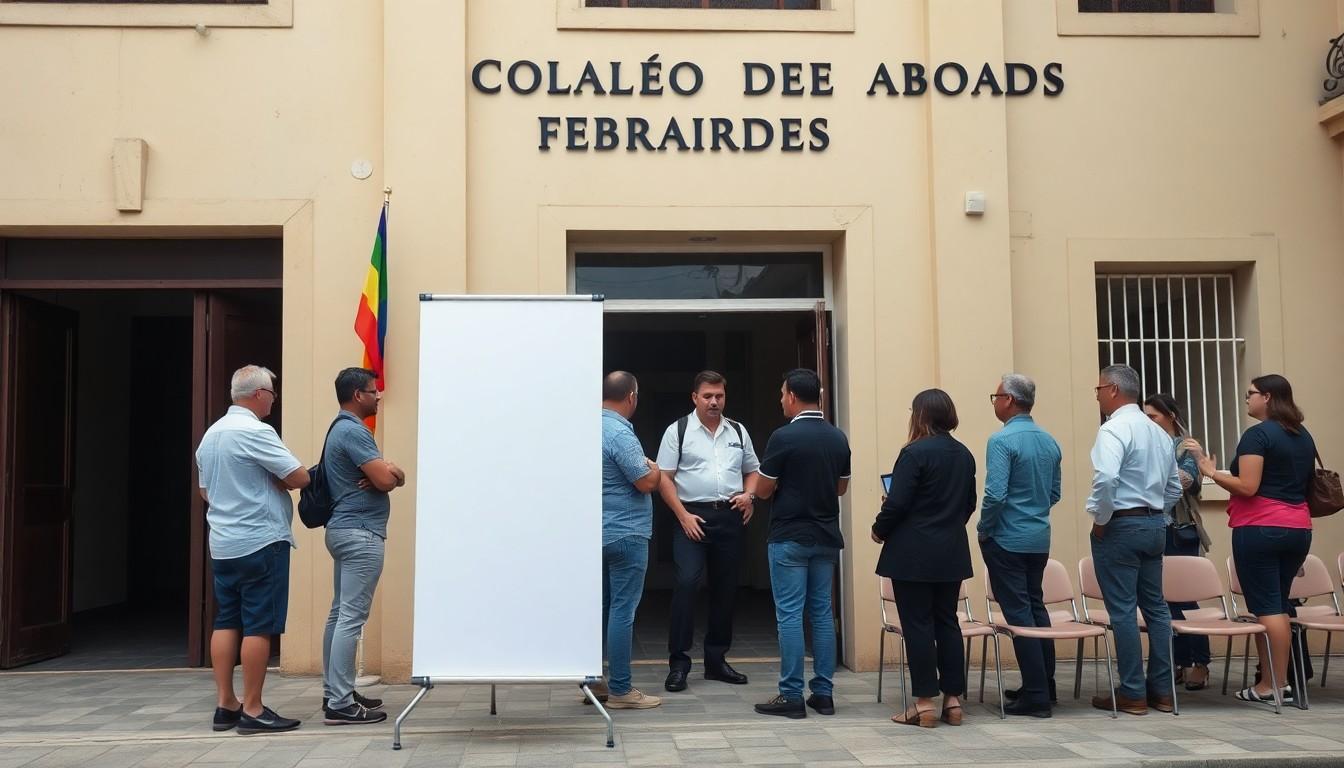
Activists in Iquitos are asking regional and provincial candidates to spell out practical plans for LGBTIQ+ inclusion, from education and healthcare to decent work. The “Iquitos Vota por la Igualdad” forum aims to turn broad promises into commitments that communities can track after the election, at a time when political participation and equal access remain central concerns.
Essential Takeaways
- Public forum: Candidates are being invited to discuss policies for LGBTIQ+ residents in Loreto.
- Key priorities: Education, health, employment and access to opportunities are at the centre of the discussion.
- Accountability matters: Organisers want commitments that can be reviewed after the election.
- Equal access, not favours: The campaign focuses on removing barriers rather than guaranteeing public-sector jobs.
- Wider movement: Local advocacy is increasingly linking representation with measurable public policy.
Iquitos candidates face a simple question: what will change?
The strongest message from the forum is also the most practical: candidates need to explain what they would actually do. “Iquitos Vota por la Igualdad” is designed to bring regional and provincial hopefuls into a public conversation about LGBTIQ+ rights and everyday access to services. According to Pro y Contra, the meeting will be held at the Loreto Bar Association from 10am.
That setting gives the discussion a sharper edge than a campaign slogan. Residents want to hear whether government plans would make schools, health services and workplaces more accessible, rather than simply repeat familiar language about diversity. Mas Igualdad has similarly framed the Iquitos debate around the importance of rights being visible in public decisions, not just acknowledged during election season.
Education, healthcare and work are the priorities
For organisers, equality is closely tied to ordinary life. A supportive education system can reduce exclusion early, while respectful healthcare can make it easier for people to seek help without fear of judgement. Employment is just as important, particularly where discrimination can quietly narrow a person's choices long before a formal complaint is made.
The Centro de Estudios de Sexualidad Alternativa has highlighted political dialogue in Loreto as a route towards closing gaps in education, health and protection. That wider focus matters because policy rarely works in isolation. A promise about inclusion means little if people still face obstacles when they enter a classroom, visit a clinic or apply for work.
Why follow-through will matter more than applause
Cesar Pomacondor Guevara, representing the Comunidad Homosexual Esperanza para la Region Loreto, says previous candidates have made commitments that were not carried out once the election was over. His concern is familiar to campaign-watchers: a packed forum can create a warm moment, but implementation is where trust is won or lost.
That is why the organisers want promises that can later be assessed. A clear policy target, a named public body and a timetable are far more useful than a general pledge to support equality. Mas Igualdad's reporting on political participation in Iquitos also points towards a broader expectation that LGBTIQ+ communities should help shape decisions, rather than remain an audience for them.
Equal opportunity is the point, not special treatment
The organisers have been careful to distinguish inclusion from preferential treatment. The community isn't asking for automatic access to state jobs, but for the education, tools and fair conditions needed to compete for opportunities on equal terms. It sounds straightforward, yet that distinction is often lost in political arguments.
For voters, a useful test is to ask how each proposal would work in practice. Would it improve access to training? Would public services have clear anti-discrimination procedures? Would officials collect enough information to see whether gaps are closing? These questions turn an abstract promise into something residents can understand and challenge.
A local forum with regional significance
The meeting arrives alongside wider efforts to make LGBTIQ+ participation more visible in Loreto. A recent Pride march in the region called for respect for diversity without political banners, while other advocacy work has stressed the value of sustained civic involvement. Together, those developments suggest that visibility is moving beyond a once-a-year celebration.
Public opinion is part of that picture, too. An Ipsos survey discussed by Mas Igualdad examined attitudes towards respect for LGBTIQ+ people in Peru, showing why politicians are under growing pressure to address the subject directly. The next step is less about saying the right thing and more about demonstrating progress. As one local organiser's message makes clear, the community will be watching what happens after election day.
The real test for Iquitos candidates will be whether their promises survive beyond the microphone.
Source Reference Map
Story idea inspired by: [1]
Sources by paragraph: