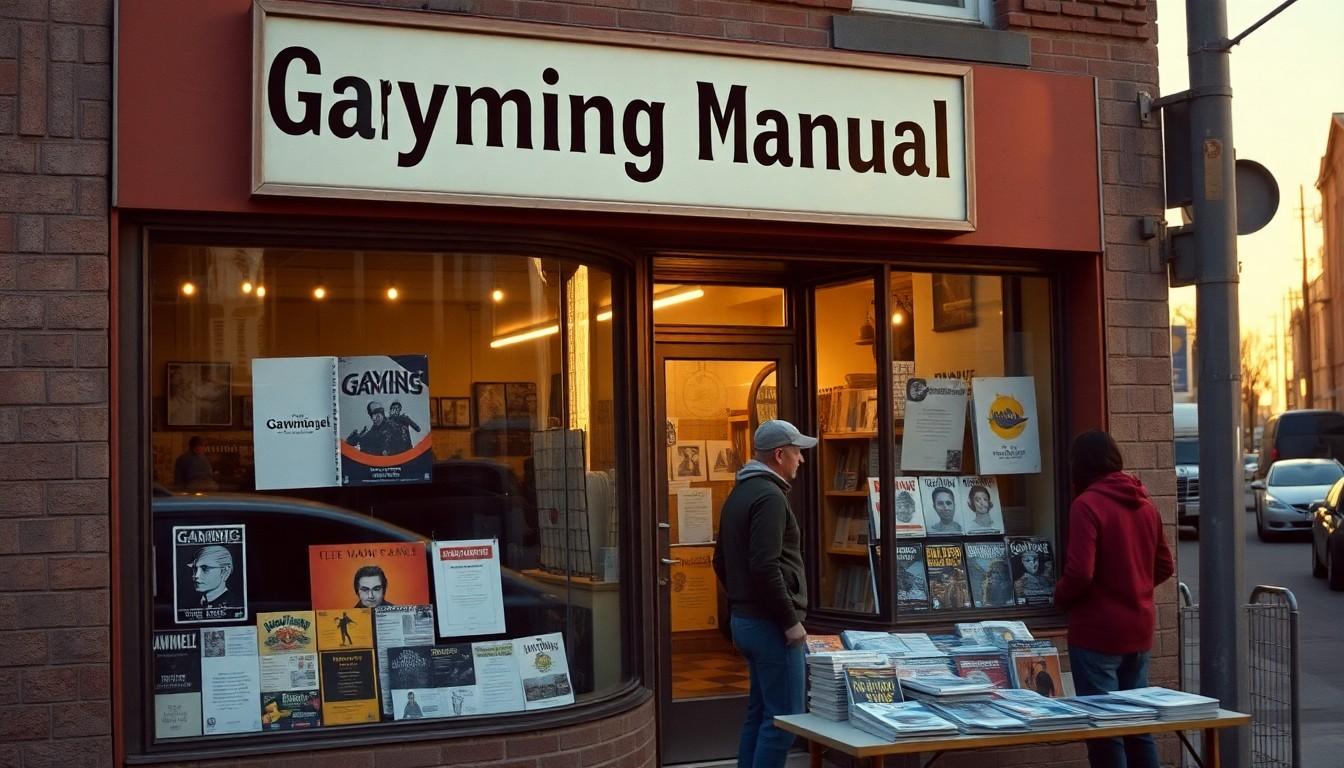
Queer gamers are getting a new print-only zine in November 2026, packed with video games, tabletop adventures, collectibles and fandoms. Gayming Manual is designed for readers who want something colourful, tactile and proudly LGBTQ+ to keep, share and revisit, while supporting creators beyond the increasingly unpredictable world of online platforms.
Essential Takeaways
- Print-first format: Each 40-page issue will be full colour, released six times a year and made without generative AI.
- Issue One arrives in November: It includes interviews, reviews, gift ideas, comics, cosplay and a Sonic-themed competition.
- Queer creators take centre stage: Every edition will feature original wraparound cover art from an LGBTQ+ artist.
- A charitable contribution: One dollar from every sale goes to the Gayming Foundation.
- Patreon extras: Supporters can receive early issues, bonus content, merchandise discounts and other benefits.
A new zine for queer gamers going offline
There’s something pleasingly solid about a magazine you can pick up, flick through and leave on the coffee table. Gayming Manual is leaning into that feeling with a print-only format centred on LGBTQ+ gaming and nerd culture, according to Gayming Magazine.
The bi-monthly publication will cover physical video games, tabletop titles, comics, collectibles and related products. Its language borrows from classic game manuals, turning articles into “levels”, regular features into “sidequests” and competitions into “rewards”. It’s a playful approach, but also a thoughtful nod to the era when games arrived with booklets rather than a download code and a web link.
This kind of independent queer geek publishing has a clear cultural precedent. Homocore and other LGBTQ+ zines showed how small, self-directed print projects could create space for voices overlooked by mainstream media, as documented by Wikipedia. Gayming Manual arrives with a similarly community-minded ambition, but with gaming at its centre.
Why physical media feels newly relevant
The zine’s launch reflects a broader appetite for owning something tangible at a time when much of entertainment is rented, streamed or controlled by platforms. Across tabletop culture, publishers are also experimenting with compact zine formats, showing that small-scale print can still feel fresh rather than nostalgic, according to ICv2.
For queer creators and readers, the appeal is more urgent than simple retro charm. Gayming Magazine says LGBTQ+ accounts and communities can face shadow-banning, demonetisation or removal online, sometimes with little explanation. A printed issue can’t be quietly buried by an algorithm, although it does ask readers to make room for it on a shelf.
That physical quality matters emotionally, too. A colourful cover, paper texture and pages that can be passed between friends offer a different kind of community experience from scrolling alone. It’s less instant, perhaps, but it can feel more lasting.
What’s inside Issue One?
The first issue is scheduled for November 2026, making it a timely option for queer gaming gift guides and festive browsing. Planned highlights include a feature from voice actor Samantha Bowling on giving Native creators room to develop, alongside a retro look at the Sonic the Hedgehog 35th Anniversary Legacy Cartridge from iam8bit and Sega.
Readers will also find an interview with actor, comedian and filmmaker Brandon Rogers, a 20 Questions feature with Canadian beauty and gaming creator Stef Sanjati, and a tabletop column from advocate and streamer Tanya DePass. A history feature will revisit Dragon Age II, while a comic from Kayla Shaggy and a cosplay section will bring fan creativity into the mix.
The issue also includes a competition to win a Sonic the Hedgehog 35th Anniversary Legacy Cartridge Collection covering the first two games. For a magazine built around physical media, that prize feels almost comically on-brand, in the best possible way.
Collectible covers give every issue its own identity
Each issue will carry original wraparound cover art by a different LGBTQ+ artist. Issue One’s artwork comes from Isa Happyfield, a Japanese concept artist and London-based art director whose work includes queer superhero manga and the role-playing game QUEERZ!.
The format means the cover unfolds into one complete image from front to back, rather than stopping at the spine. That makes the zine feel closer to a small art object than a disposable publication, especially for readers who enjoy collecting independent print work.
There’s already a lively ecosystem of gaming and fandom zines online, including community-led projects showcased through sites such as Gaymer Girls Zine. Gayming Manual’s distinction is its regular schedule, polished editorial package and deliberate link between queer identity and the wider world of games.
How to buy the zine or support its mission
Pre-orders for Issue One are open through Gayming Magazine’s zine page. Readers can also join the Gayming Manual Patreon, which offers each issue as soon as it leaves the press, exclusive material during the months between editions, 20 per cent off Gayming merchandise and selected partner benefits.
A dollar from every issue sold will go to the Gayming Foundation, supporting its work with the LGBTQ+ gaming community. That gives the purchase a useful extra dimension, particularly for readers who want their media spending to support both independent creators and community organisations.
If you’re choosing a copy for someone else, consider their favourite corner of gaming culture first. A tabletop fan may enjoy the campaign-focused features, while a retro enthusiast might be drawn to the Sonic coverage and the collectible feel of the issue itself. Either way, it’s a gift that doesn’t need a charger, login or software update.
Gayming Manual is betting that queer gaming culture deserves more than a fleeting appearance in a feed. With its first issue, the project offers a bright, handmade-feeling alternative that readers can actually keep.
It’s a small magazine with a big shelf-life.
Source Reference Map
Story idea inspired by: [1]
Sources by paragraph:
- Paragraph 1: [2], [3]
- Paragraph 2: [2], [5]
- Paragraph 3: [4], [7]
- Paragraph 4: [2], [5]
- Paragraph 5: [2], [3]
- Paragraph 6: [2], [6]
- Paragraph 7: [2], [3]
- Paragraph 8: [2], [5]
- Paragraph 9: [2], [3]
- Paragraph 10: [2], [7]
- Paragraph 11: [2], [3]
- Paragraph 12: [2], [6]
- Paragraph 13: [2], [3]
- Paragraph 14: [2], [3]
- Paragraph 15: [2], [5]
- Paragraph 16: [2], [3]
- Paragraph 17: [2], [7]
- Paragraph 18: [2], [3]