LGBTQ veterans and serving personnel are finding solidarity through dedicated communities, advocacy groups and official recognition. From New York City to national campaigns, these efforts matter because transgender and LGBTQ+ people continue to face uncertainty, even as organisations work to honour their service and protect their place in military life.
Essential Takeaways
- Community is central: Groups such as SPARTA Pride and Out in National Security connect LGBTQ+ service members, veterans and allies.
- Recognition is spreading: Advocacy campaigns are encouraging states and cities to formally honour LGBTQ+ veterans.
- Trans service remains unsettled: Military policies continue to create anxiety for transgender personnel and their families.
- Support is practical: Organisations offer connection, advocacy and visibility, not simply ceremonial recognition.
- The mood is resilient: Celebrations acknowledge progress while keeping attention on unfinished work.
A day of recognition carries extra weight
For LGBTQ veterans, public recognition isn't just a ceremonial flourish. It can be a reassuring reminder that service, identity and belonging aren't competing ideas, particularly at a time when transgender personnel are facing renewed pressure.
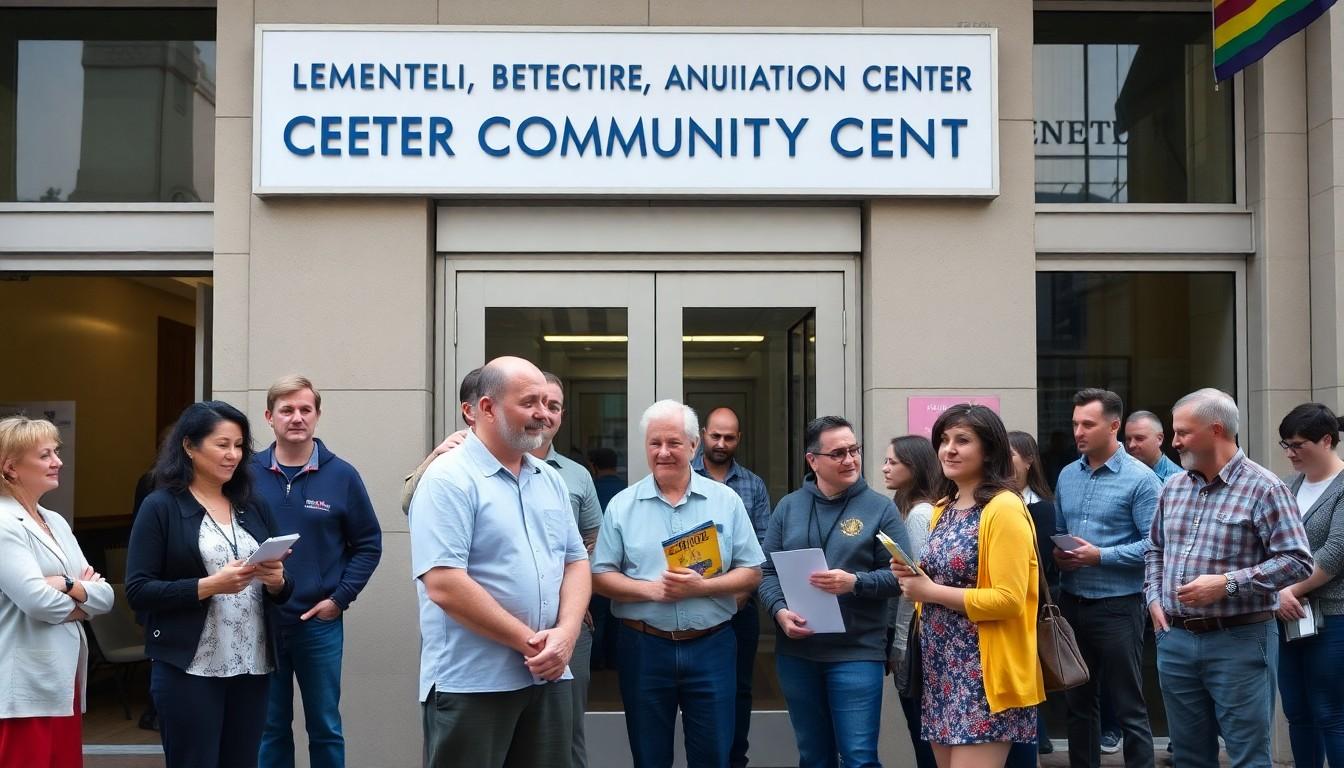
A gathering at New York City's LGBT Community Center brought together Equality New York, Out in National Security, Minority Veterans of America and other organisations to mark the anniversary of the repeal of Don't Ask, Don't Tell. According to Gay City News, city and state officials issued formal acknowledgements, giving the occasion an official stamp as well as a personal one.
That combination matters. A proclamation won't resolve a veteran's benefits concerns or settle a serving member's future, but it can help make a community visible. Sometimes being seen is the first practical step towards being heard.
The work goes beyond a single ceremony
The organisations involved are building something broader than an annual date on the calendar. Minority Veterans of America focuses on an intersectional community for LGBTQ+ veterans and allies, while Out in National Security brings together people working across national security and military spaces.
The Washington State LGBTQ Commission's veterans resources also reflect a wider shift towards dedicated information and support. For veterans navigating identity, healthcare, benefits or local services, a clear starting point can feel far more useful than a generic homepage.
Funding is another part of the picture. The Iraq and Afghanistan Veterans of America has highlighted support for groups including Minority Vets and SPARTA, helping organisations strengthen their work in the LGBTQ+ military and veteran community. That investment is easy to overlook, but community networks rarely run on goodwill alone.
Why transgender service members feel especially exposed
The stakes are particularly sharp for transgender personnel. SPARTA Pride describes its mission around supporting current and former transgender service members, their families and allies, creating a space where people don't have to explain why basic dignity matters.
Out in National Security has also criticised the rollback of protections affecting transgender, non-binary and intersex veterans. Its position underlines a difficult reality: policy changes can follow people long after they leave uniform, affecting access to support, recognition and a sense of security.
For someone already facing an uncertain posting or career path, that instability can feel intensely personal. A uniform may be standard issue, but the consequences of policy rarely feel abstract.
Recognition is becoming a national campaign
New York's event forms part of a larger push to have LGBTQ+ veterans and service members recognised by more states, cities and federal lawmakers. Minority Veterans of America has been involved in efforts to secure recognition in multiple states and municipalities, while lawmakers have introduced resolutions honouring LGBTQ+ service.
A Senate resolution led by Senator Jeff Merkley and colleagues sought to acknowledge the contributions of LGBTQ+ veterans and service members. Related advocacy has helped move the issue from community events into legislative spaces, where official language can influence public memory and future policy conversations.
The comparison is telling. One approach offers a local gathering, familiar faces and a warm room. The other creates a formal record. LGBTQ+ veterans need both: community that feels immediate and recognition that lasts beyond the day.
What meaningful support should look like
The most useful organisations don't stop at flags, speeches or anniversary posts. They create routes to peer support, advocacy, resources and practical guidance, especially for people who may feel isolated after leaving service or while dealing with administrative uncertainty.
If you're looking for help, start with groups that clearly state who they serve and what they offer. Check whether support is available for veterans, currently serving personnel, families and allies, and look for information on confidentiality, referrals and local connections.
The wider lesson is straightforward. Recognition matters most when it opens a door to real support, and the growing network of LGBTQ+ veteran organisations is helping keep that door open.
Explore LGBTQ+ veteran communities that match your needs and location.
Source Reference Map
Story idea inspired by: [1]
Sources by paragraph: