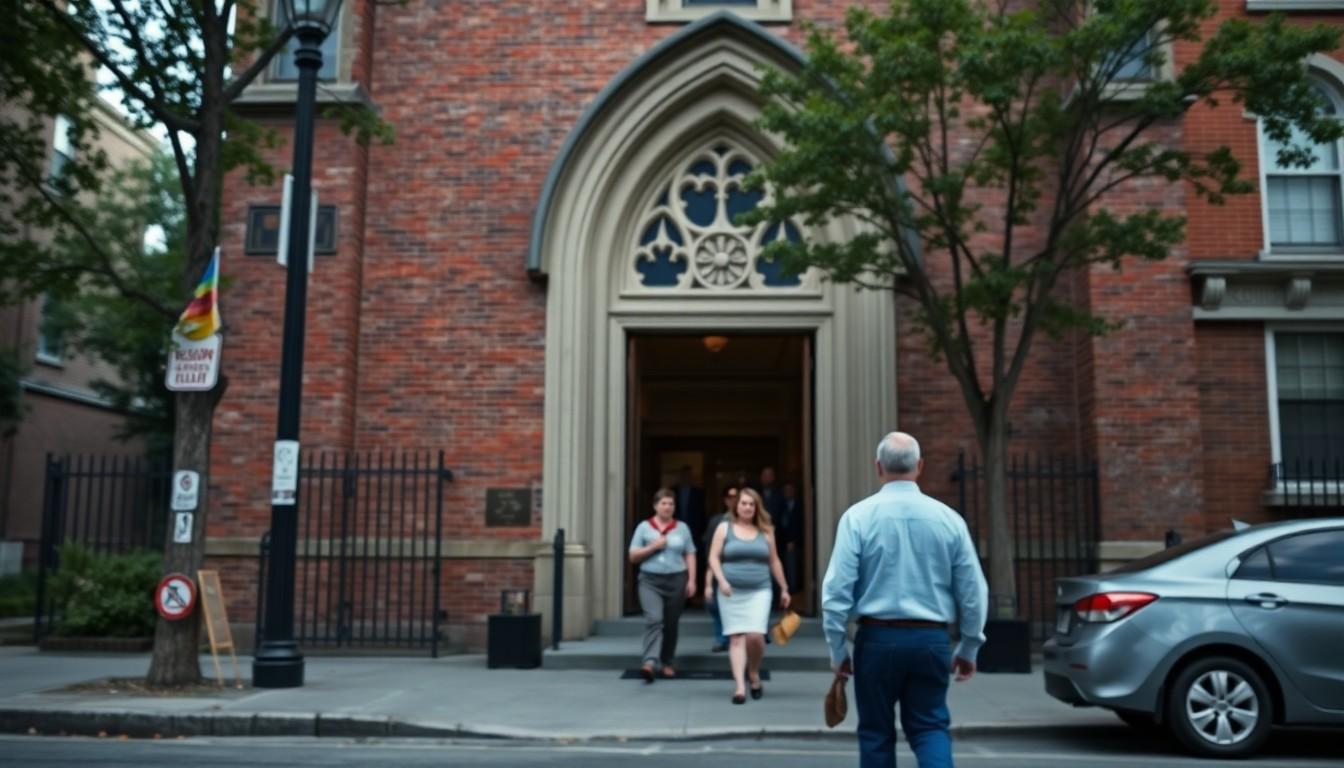
Catholic communities are weighing a new Vatican study group report on LGBTQ people, released after the Synod on Synodality, because its emphasis on listening, conscience and lived experience could reshape pastoral conversations without claiming to change church teaching overnight.
Essential Takeaways
- It is not a ruling: The report offers theological reflection, not a binding magisterial decision.
- Lived experience matters: Two married gay Catholic men describe faith, family life and belonging.
- The approach is exploratory: Study Group 9 considers Scripture, theology, human sciences and pastoral practice together.
- Reactions are divided: LGBTQ Catholic advocates have welcomed its tone, while critics warn it could unsettle established doctrine.
- The next step is local: The report is intended to encourage discernment and discussion in churches and communities.
A quiet Vatican document with a loud impact
The most striking feature of the Study Group 9 report is its willingness to listen before delivering a verdict. Rather than presenting a neat answer, it asks how the church can recognise where faith, conscience and human experience meet. New Ways Ministry described the publication as significant for LGBTQ Catholics, particularly because it includes personal testimony rather than discussing people only in abstract theological terms.
That gives the text a human texture. Behind the formal language are stories of prayer, hurt, relationships and the search for a Catholic home. For readers who have felt discussed but not heard, that distinction could feel enormous.
The report emerged from the wider synodal process that followed the 2024 general assembly. Archbishopric information about the study groups places the work within the Synod on Synodality's broader effort to examine complex questions through shared discernment rather than quick conclusions.
What Study Group 9 is, and what it isn't
It would be a mistake to treat the report as a new catechism or an immediate change to Catholic doctrine. The National Catholic Register's coverage presents it as part of a contested synodal process, while Catholic Culture also reported on the publication amid wider debate about the authority and direction of the study groups.
In practical terms, the document is closer to a theological working paper. It gathers arguments, asks difficult questions and points towards further reflection. That may sound cautious, but in a church where language carries considerable weight, even a change in method can matter.
The report's supporters see that openness as a promising development. Critics, including Bishop Athanasius Schneider in commentary published by Complicit Clergy, have argued that the document risks departing from established Catholic teaching. The disagreement is not a footnote; it's the central story surrounding Study Group 9.
Why the two testimonies matter
The inclusion of two married gay men is arguably the report's most powerful choice. Their accounts present LGBTQ Catholics as active participants in sacramental and community life, not as a distant policy question. New Ways Ministry highlighted passages that describe sexuality, marriage, conscience and belonging through personal experience.
One testimony focuses on healing after rejection and the damage caused by so-called conversion therapies. The other describes sexuality as a gift and marriage as a place of flourishing. Together, the accounts challenge the assumption that LGBTQ Catholic lives can be understood adequately through generalisations alone.
That doesn't settle every theological dispute, of course. But it does make the conversation harder to keep at arm's length. A document can debate concepts indefinitely; a testimony brings the conversation into the room.
Scripture, conscience and a wider theological lens
Study Group 9 draws on earlier church discussions about biblical interpretation and pastoral care, while also asking whether contemporary knowledge of human beings should inform theological reflection. New Ways Ministry's published excerpts underline the report's interest in combining Scripture with lived experience and insights from several academic disciplines.
This is where the debate becomes especially sensitive. Supporters say a fuller understanding of human relationships requires careful attention to context, science and the experiences of faithful people. Opponents argue that such an approach can become a way of placing modern assumptions above biblical and traditional teaching.
The report's emphasis on conscience adds another layer. It treats conscience not as a private excuse to ignore the church, but as a serious responsibility to seek truth before God. For LGBTQ Catholics, that language may offer recognition after years of feeling that their inner lives were dismissed or condemned.
What happens next for LGBTQ Catholics?
The immediate effect is unlikely to be a sudden change in parish practice. Instead, the report may influence conversations among bishops, theologians, priests and lay Catholics, particularly in places where pastoral care is already evolving. New Ways Ministry welcomed the document's hopeful elements, while Catholic and conservative commentators have continued to question its theological direction.
For local communities, the practical test will be whether listening produces safer and more honest pastoral care. That could mean better training, less careless language, more space for testimony and a clearer refusal of homophobia and transphobia. It won't resolve every disagreement, but it could change how people disagree.
The report leaves the church with an unfinished task rather than a final answer. For some, that will feel frustrating. For others, especially LGBTQ Catholics who have waited years to see their lives treated as part of the church's reality, an unfinished conversation may still be a meaningful beginning.
A more listening-led synodal path could prove modest on paper but deeply personal in practice.
Explore the report with care, context and room for honest disagreement.
Source Reference Map
Story idea inspired by: [1]
Sources by paragraph:
- Paragraph 1: [2], [3]
- Paragraph 2: [2], [7]
- Paragraph 3: [5], [6]
- Paragraph 4: [3], [6]
- Paragraph 5: [4], [6]
- Paragraph 6: [2], [7]
- Paragraph 7: [2], [3]
- Paragraph 8: [2], [7]
- Paragraph 9: [3], [4]
- Paragraph 10: [2], [7]
- Paragraph 11: [2], [6]
- Paragraph 12: [3], [4]
- Paragraph 13: [2], [7]
- Paragraph 14: [3], [6]
- Paragraph 15: [2], [4]
- Paragraph 16: [2], [7]
- Paragraph 17: [3], [6]
- Paragraph 18: [2], [7]
- Paragraph 19: [3], [4]
- Paragraph 20: [2], [7]