Young LGBTQ athletes still face pressure in the changing room, on the pitch and online, but one Illinois football player's experience shows how teammates can turn anxiety into belonging. His story matters because support isn't just comforting; it can help young players stay in the sport they love.
The hardest part wasn't the tackle
For many young athletes, coming out can feel like stepping into a spotlight they never asked for. In the Illinois football story reported by Outsports, the fear wasn't simply about being judged. It was about losing friendships, becoming a distraction or being treated as a label rather than a teammate.
That anxiety is particularly sharp in boys' team sports, where teenage ideas about masculinity can make even ordinary friendship feel loaded. A player may worry that standing beside a gay teammate will somehow change how others see him. It sounds childish, but at school age, social approval can feel as powerful as any scoreboard.
The result is a cruel choice: stay quiet and feel isolated, or speak honestly and risk being targeted. No teenager should have to calculate whether being themselves could cost them their place on a team.
Support from teammates can change everything
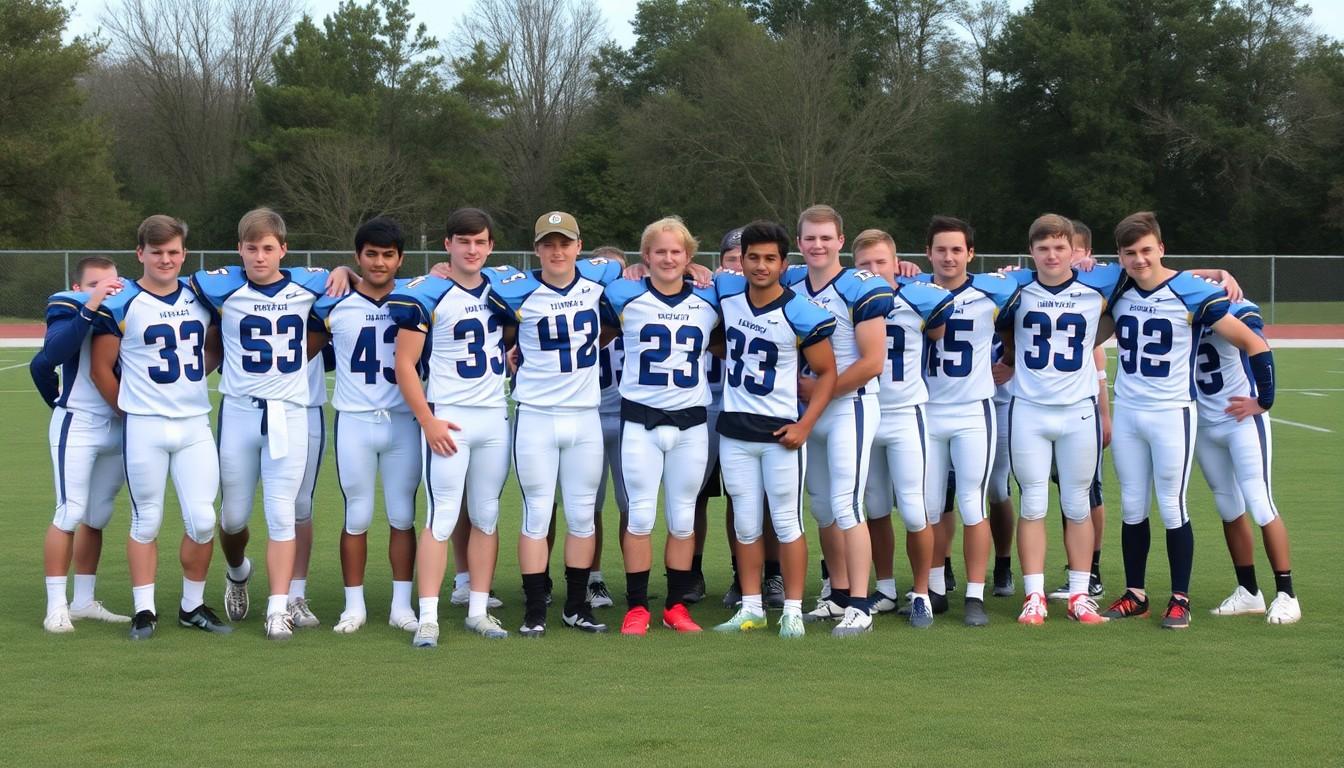
The turning point came when teammates agreed to appear in photographs with the player. What might look like a small favour became a public sign that he belonged there, without an asterisk attached.
Outsports described how the team's response helped ease months of worry. The message was simple but powerful: he wasn't being tolerated as the gay player; he was valued as a footballer, a lineman and a teammate.
That distinction matters. Performative support can feel awkward, especially when adults arrange it. Genuine belonging is quieter. It's the teammate who checks why you're absent from training, the coach who treats you fairly and the group that celebrates a big play without making your sexuality the headline.
Slurs show why acceptance alone isn't enough
Positive reactions don't erase hostility. The account also described repeated homophobic abuse from fellow pupils, followed by confrontations and a school-led conflict meeting. While the situation was formally addressed, a forced apology couldn't instantly create understanding or make the victim feel safe.
This is where schools and clubs need to do more than say they have a zero-tolerance policy. Players need clear reporting routes, adults who take complaints seriously and consequences that don't place equal responsibility on the target and the person using abuse.
There is also a practical lesson for teammates. If someone hears a slur, silence can make the room feel approving. A calm challenge, a report to a coach or simply checking in afterwards can interrupt that pattern. It may not feel heroic, but it can be the moment an isolated player realises he's not alone.
Why visible LGBTQ athletes matter
The player credited LGBTQ sports stories with helping him understand that sexuality and sport aren't opposites. That wider visibility can be hugely important for teenagers who haven't yet met an openly gay athlete in their own school or club.
The landscape has continued to shift. Outsports and other sports publications have highlighted athletes such as NFL player Carl Nassib, whose public identity helped broaden conversations about LGBTQ representation in elite sport. His example doesn't remove the pressure faced by teenagers, but it gives them a future they can picture.
Other athletes have also described the complicated reality of coming out publicly, including the need to balance personal readiness with the expectations of fans, teammates and media. Visibility can inspire, but it should never become an obligation. Young players deserve support whether they're ready to speak openly or not.
How schools and clubs can create safer teams
The best support starts before a crisis. Coaches can set clear standards around homophobic language, explain how concerns will be handled and make inclusion part of normal team culture rather than a special campaign.
For parents and teammates, the basics are surprisingly powerful. Listen without rushing to solve everything, use the language a young person chooses for themselves and avoid turning their identity into a team announcement. If bullying is involved, keep records, involve the school or club and make safety the priority.
And for a young athlete wondering whether there's still a place for them, the answer should be yes. You don't have to come out on anyone else's timetable, and you shouldn't have to abandon a sport because other people haven't learned respect yet.
A supportive team can be the difference between an athlete walking away and finding the confidence to stay.
Support should make room for the whole player, not just the part the crowd sees.
Source Reference Map
Story idea inspired by: [1]
Sources by paragraph: