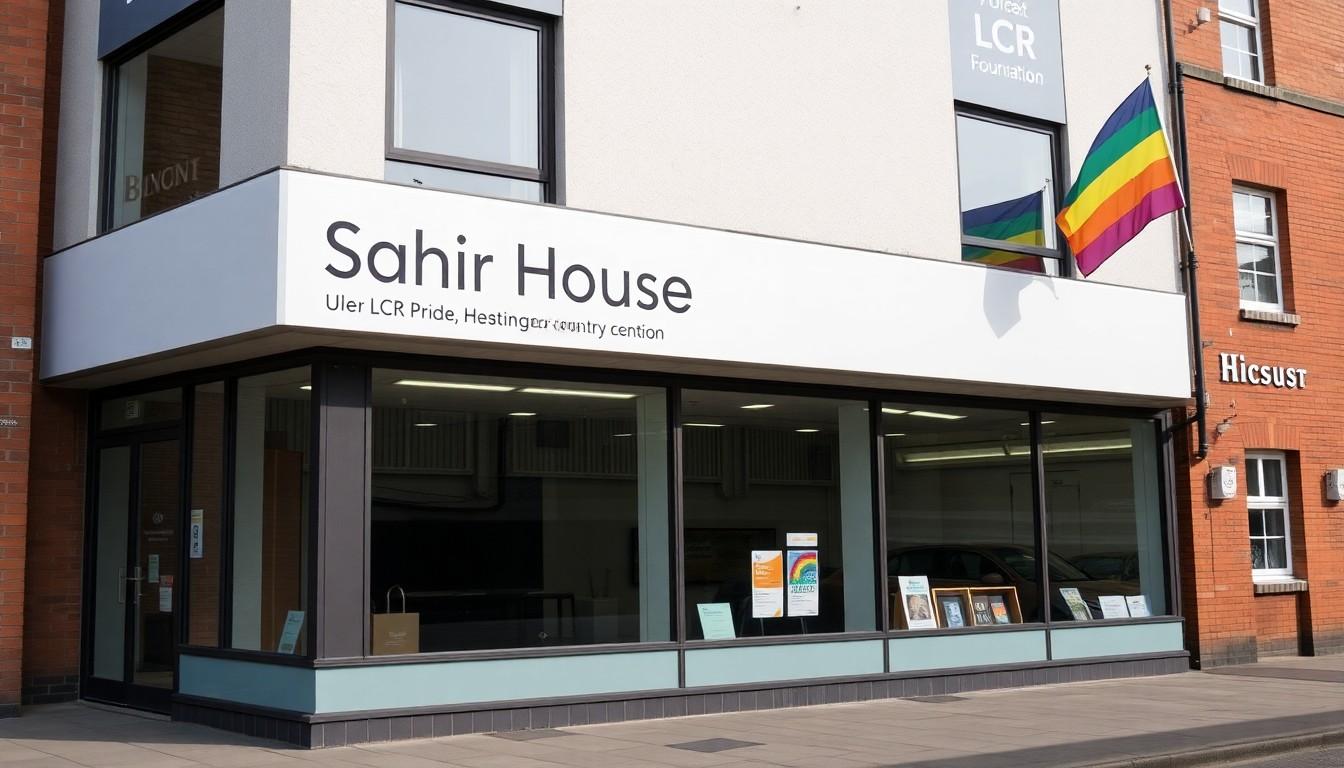
Organisers have apologised after concerns about Liverpool Pride 2026, promising a more joined-up and accountable event when the festival returns on Saturday, 31 July 2027. The reset matters because Liverpool Pride is not just a parade, but a major LGBTQ+ gathering shaped by volunteers, venues, artists and communities across the city region.
Essential takeaways
- A direct apology: Organisers acknowledged that the 2026 march fell short and said the apology wasn't conditional.
- A new working model: Sahir House, LCR Pride Foundation and community stakeholders will collaborate through one unified group.
- More community input: A new board is planned to give LGBTQ+ people a meaningful role in shaping the festival.
- The next date: Liverpool's Pride will return over the weekend of Saturday, 31 July 2027.
- A broader programme: Volunteer, artist, venue and business opportunities are expected to be announced as planning develops.
Liverpool Pride organisers admit the 2026 march fell short
The strongest message from Liverpool Pride's organisers is also the simplest: they heard the criticism. Following reports from attendees who said they felt unsafe during the 2026 march, the team apologised and accepted that the event hadn't met expectations.
That matters at a festival built around visibility and belonging. A Pride march should feel joyful, colourful and welcoming, not like an occasion where people are left wondering whether their concerns will be taken seriously. The apology, reported by the Liverpool Echo, was presented as an unconditional acknowledgement rather than a defensive explanation.
Why the festival's structure became a problem
Liverpool Pride 2026 was delivered after Sahir and LCR Pride Foundation joined forces following a difficult period for the city's annual celebrations. Earlier community engagement helped shape the partnership, with both organisations presenting the new event as a more inclusive and community-first direction.
But the practical arrangement left different teams handling separate parts of the festival. Organisers said the newly formed volunteer workforce was stretched, with people working across organisations rather than through one fully integrated structure. That may sound like an administrative detail, but on a large public event, coordination is everything, especially when safety, access and crowd movement are involved.
The city's Pride has previously included a range of events beyond the march, including alcohol-free and accessible LGBTQ+ celebrations. Sahir House's Access Pride work underlines the importance of making the wider programme feel welcoming to people with different needs and experiences.
A unified team is planned for Liverpool Pride 2027
For 2027, trustees from Sahir House and LCR Pride Foundation are expected to work together on governance and oversight. A unified working group will also bring in key community stakeholders, replacing the looser arrangement that organisers say placed too much pressure on volunteers.
The promise is not simply to produce another parade route or bigger party. Liverpool's Pride is being repositioned as a weekend shaped with the community, rather than merely delivered for it. That approach follows earlier plans to put LGBTQ+ people across the Liverpool City Region at the heart of the event.
There is also a practical reason for the change. Liverpool's Pride has ambitions to become one of the UK's biggest Pride weekends and attract visitors from beyond the region, according to the Liverpool City Region's communications. Bigger crowds bring energy and spending, but they also demand sharper planning around stewarding, access, information and safe travel home.
What could change for visitors next year?
The new community board is likely to be the most important development for attendees. If it has genuine influence, it could help organisers spot problems earlier, from unclear march information to accessibility gaps and the availability of safe spaces during a busy weekend.
Visitors should also expect more ways to participate before the festival begins. Organisers plan to share details of volunteering, artists, venues, businesses and community involvement in the months ahead. For local groups, that could mean a clearer route into the programme rather than waiting for decisions to arrive fully formed.
The 2026 march had been promoted as a route through the heart of the city, reflecting Liverpool's long-standing reputation for lively public celebrations. The challenge now is to keep that bold, warm atmosphere while making the experience feel calmer, better signposted and safer for everyone taking part.
Liverpool Pride 2027 has a chance to rebuild trust
A fresh start is useful, but it won't be measured by announcements alone. Attendees will be looking for visible changes: clearer communication, accountable leadership, responsive volunteers and an event design that puts safety alongside spectacle.
That doesn't mean Pride needs to lose its sparkle. Liverpool's strengths are its creativity, humour and collective spirit, from packed city-centre venues to community events with a softer, quieter feel. The best version of the festival should leave room for both the loud celebration and the person who simply wants to feel comfortable among others.
Planning is expected to continue ahead of the Saturday, 31 July 2027 date. For many people, the real test will be whether the promised community involvement feels meaningful long before the first banner goes up.
Liverpool Pride 2027 has the date and the reset; now it needs to turn both into trust.
Source Reference Map
Story idea inspired by: [1]
Sources by paragraph: