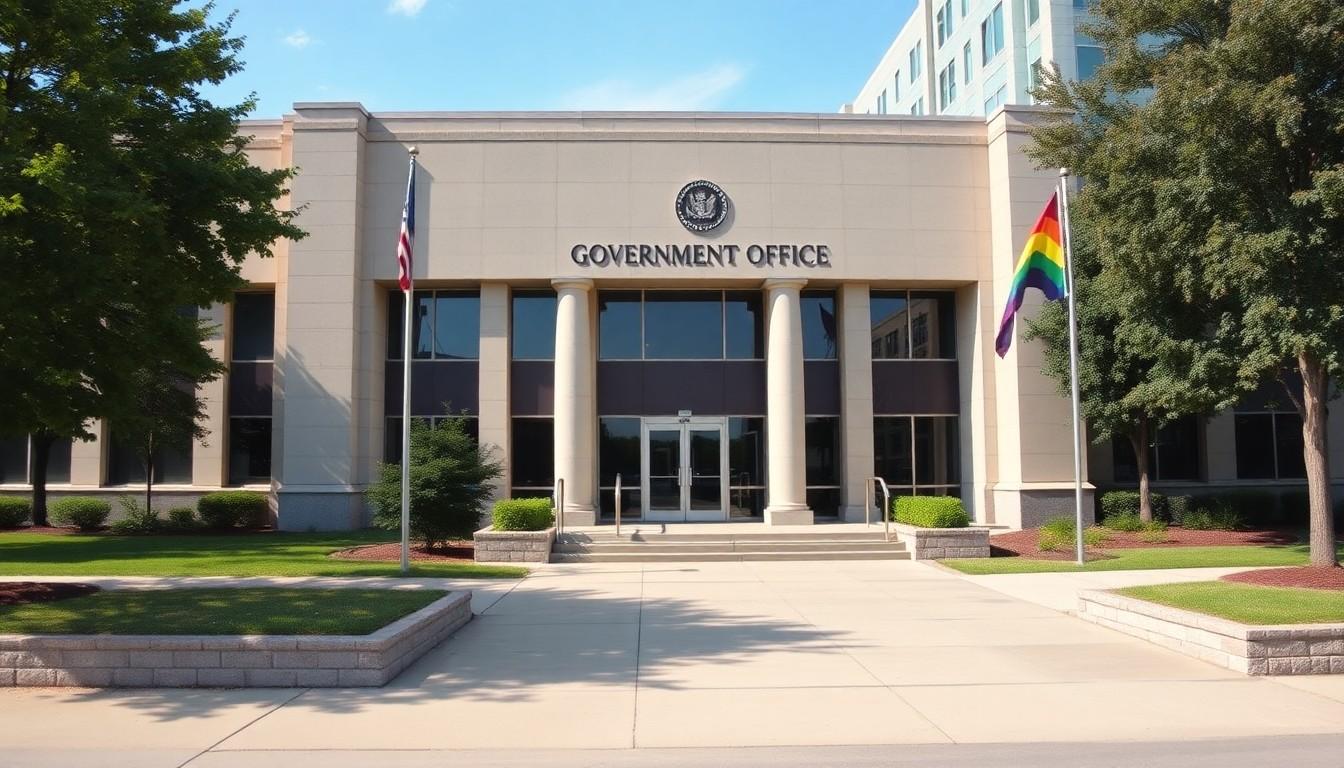
Illinois officials are calling for the return of the 988 Press 3 option for LGBTQ+ youth, arguing that specialised, affirming crisis support remains vital when young people are facing an immediate mental health emergency.
Essential Takeaways
- The specialised option ended: The federal government discontinued 988's LGBTQ+ youth Press 3 service in July 2025.
- Illinois is still providing tailored support: The state says its 988 counsellors have received LGBTQIA+ cultural competency training.
- Demand remains substantial: Illinois handled nearly 173,000 988 calls in the past year, resolving 98% without further intervention.
- Risk is shaped by stigma: LGBTQ+ young people face greater crisis risk because of discrimination and mistreatment, not their identity.
- Help is still available: Anyone in the United States can call or text 988 for immediate crisis support.
Illinois wants the specialised 988 option back
For someone in crisis, a phone menu can feel like a tiny decision with enormous weight. Illinois officials say the former Press 3 option gave LGBTQ+ young people a clearer route to trained, affirming support through the 988 Suicide and Crisis Lifeline.
The service was removed in July 2025 after federal officials said funding allocated to the LGBTQ+ subnetwork had been exhausted. The Substance Abuse and Mental Health Services Administration said the wider lifeline would continue serving everyone, rather than maintaining a separate specialised route, according to its public statement.
That explanation hasn't ended the argument. U.S. Representative Raja Krishnamoorthi and other Illinois officials are backing legislation that would push the federal government to restore the service, while advocates say the need hasn't disappeared simply because the funding pot ran dry.
Why affirming support can matter in a crisis
LGBTQ+ youth are not at higher risk because there is anything inherently wrong with being LGBTQ+. The concern is the pressure surrounding them, including rejection, bullying, discrimination and fear of being misunderstood.
The Trevor Project has reported that LGBTQ+ young people face significantly higher suicide risk than their peers. Its representatives have also stressed that supportive, identity-aware care can help a young person feel heard rather than forced to explain or defend who they are.
That distinction matters on a crisis call. When the clock is ticking and emotions are raw, an affirming counsellor may reduce the fear of judgement and make it easier to talk honestly. KFF's reporting on the 988 LGBTQI+ service also highlighted uncertainty around how specialised support would continue after the federal change.
Illinois says it's filling the gap
Illinois has taken a practical route while the national dispute continues. Dulce Quintero, secretary of the Illinois Department of Human Services, said the state trained all its 988 counsellors in LGBTQIA+ cultural competency.
According to figures shared by Illinois officials, the state received almost 173,000 988 calls over the previous year and resolved 98% without additional intervention. That suggests the system is handling a heavy workload, although a strong resolution rate doesn't remove the need for specialist expertise.
The bigger problem is consistency. Illinois can maintain tailored support because its state administration has chosen to do so, but officials warn that young people in other states may not have the same experience. KFF has described the future of the national LGBTQI+ service as uncertain, leaving families to navigate a patchwork of provision.
What changed after Press 3 disappeared?
Before the change, calls routed through Press 3 were answered by the Trevor Project and other crisis centres with experience supporting LGBTQ+ young people. After the option ended, the Trevor Project said it handled more than half of the relevant calls made to 988, according to NPR reporting.
Federal officials said the dedicated funding had been fully used by June 2025, after Congress allocated more than $33 million for the service. Critics, including Illinois representatives, viewed the decision through the wider debate over anti-DEI policies and argued that removing a dedicated pathway could make help less accessible.
The disagreement is partly about structure, but it is also about trust. A universal service can be welcoming, yet a clearly signposted specialist route may reassure callers who worry that a general crisis line won't understand their situation.
How to get urgent support now
The 988 Lifeline remains available across the United States by call or text. The official service says LGBTQ+ people can contact 988 for support, and callers can ask for help that feels respectful and relevant to their circumstances.
If you or someone else is in immediate danger, call emergency services or go to the nearest emergency department. For a young person who is hesitant to call, offering to stay nearby, help send the message or make the call together can make the first step feel less daunting.
Meanwhile, Illinois officials are pressing Congress and the administration to bring back a dedicated option. For families, the debate may sound political, but the practical question is simple: will a young person in distress quickly reach someone they trust?
A specialist route can make that first conversation feel safer.
Source Reference Map
Story idea inspired by: [1]
Sources by paragraph:
- Paragraph 1: [2], [4]
- Paragraph 2: [5], [7]
- Paragraph 3: [6], [7]
- Paragraph 4: [2], [3]
- Paragraph 5: [4], [6]
- Paragraph 6: [2], [3]
- Paragraph 7: [6], [7]
- Paragraph 8: [5], [7]
- Paragraph 9: [2], [3]
- Paragraph 10: [4], [6]
- Paragraph 11: [2], [7]
- Paragraph 12: [5], [7]
- Paragraph 13: [4], [6]
- Paragraph 14: [4], [5]
- Paragraph 15: [4], [7]
- Paragraph 16: [2], [3]
- Paragraph 17: [4], [5]
- Paragraph 18: [2], [7]
- Paragraph 19: [4], [6]
- Paragraph 20: [2], [3]