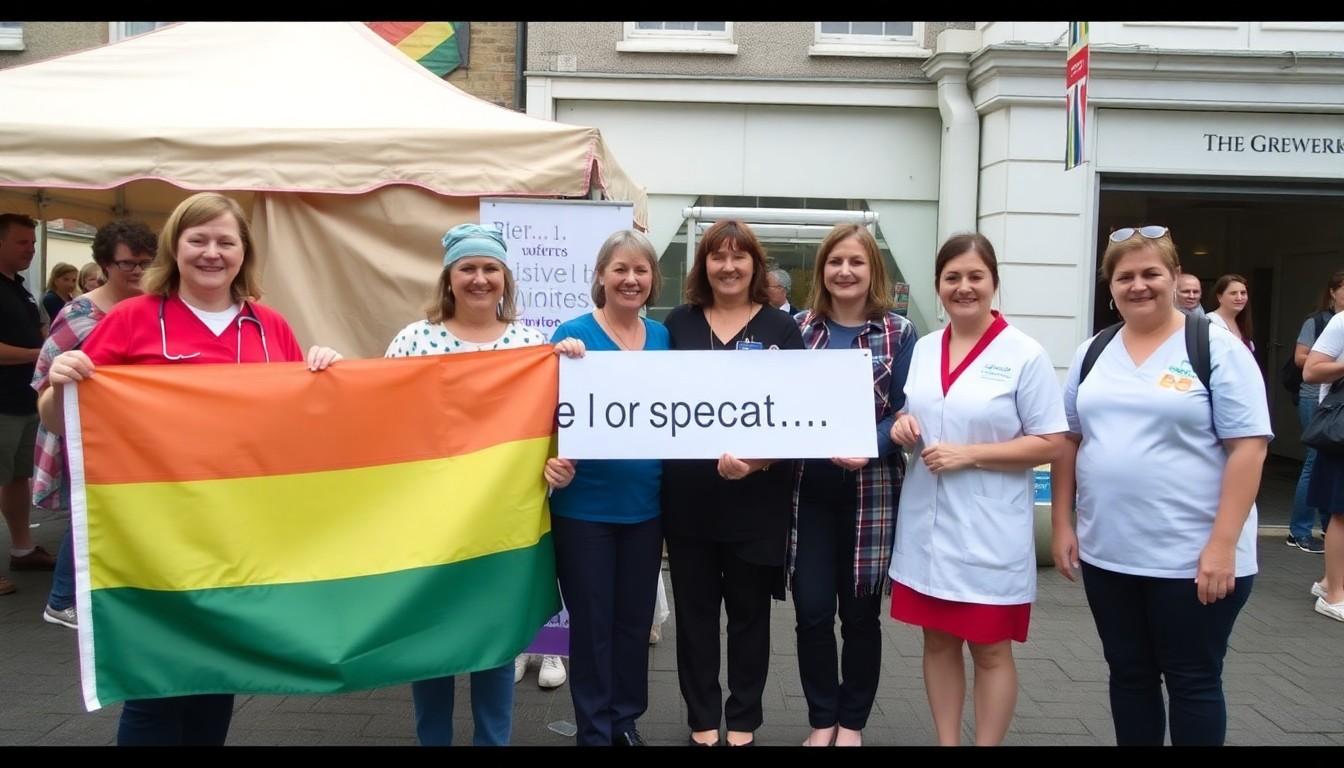
Crowds gathered in Guernsey for Channel Islands Pride 2026, bringing together LGBTQ+ communities, allies and organisations in a colourful show of solidarity. For the Royal College of Midwives, the event offered a chance to celebrate progress while highlighting why inclusive workplaces and respectful maternity care matter all year round.
Essential Takeaways
- Pride with purpose: Guernsey's celebrations combined community spirit with a call for greater equality.
- Visible support matters: Organisational participation can reassure LGBTQ+ staff, families and service users.
- Inclusion reaches beyond events: Respectful care depends on welcoming workplaces and thoughtful everyday practice.
- Everyone has a role: Allies can challenge prejudice, listen carefully and help make services safer.
- A broader movement: Channel Islands Pride brings together community groups, businesses, charities and public organisations.
Guernsey Pride brought energy, colour and a clear message
Guernsey Pride 2026 was full of the details people expect from a summer celebration: bright flags, music, smiling faces and a warm island atmosphere. Yet beneath the colour was a more serious message about visibility, safety and the right to be treated with dignity.
Channel Islands Pride's Guernsey programme brings people and organisations together to celebrate LGBTQ+ lives and support equality across the island, while local event listings show how the occasion has grown into a significant community fixture. According to the Guernsey Press, this year's event was billed as the biggest and most ambitious Channel Islands Pride yet.
That combination matters. Pride can feel joyful and hopeful, but it also creates space to acknowledge that acceptance isn't evenly experienced by everyone. A parade may last a day, while the work of building trust continues quietly in workplaces, schools and public services.
Why representation matters in maternity services
For the Royal College of Midwives, showing up at Pride was closely linked to its wider equality, diversity and inclusion work. The organisation represents midwives, maternity support workers, students, educators, researchers and doctors, all of whom should be able to work without fear of discrimination or prejudice.
That principle also affects the people using maternity services. LGBTQ+ parents, partners and families deserve care that recognises their identity, listens without assumptions and treats them as full participants in decisions about pregnancy and birth. A friendly welcome can make a practical difference, especially when someone is already feeling vulnerable.
The RCM's equality and diversity guidance sets out its broader commitment to fairness, belonging and respectful professional cultures. It is a useful reminder that inclusion isn't just a poster in a staff room or a training module completed once a year. It has to appear in language, policies, leadership and everyday interactions.
A public show of support can change the atmosphere
RCM colleagues and members attended Guernsey Pride wearing Pride T-shirts and standing alongside community groups and allies. That visibility may look simple, but it sends a recognisable signal: LGBTQ+ people are seen, valued and welcome here.
The event's organisers, sponsors and local partners helped create a broad platform rather than a single-organisation campaign. Information from Channel Islands Pride, Arts Guernsey and the Channel Islands Co-operative reflects the breadth of backing around the celebrations, from event support to community participation.
For staff and service users, that kind of public commitment can be reassuring. It also gives organisations an opportunity to move from supportive words to practical action, whether that's improving reporting routes, reviewing forms and guidance, or making sure managers know how to respond to discrimination.
What meaningful allyship looks like after Pride
The most useful question after a Pride event is often a straightforward one: what happens next? Allyship can mean challenging an offensive comment, listening when someone describes a poor experience, using inclusive language and making sure policies work in practice rather than simply existing on paper.
In maternity settings, small choices can carry real weight. Asking people how they want to be addressed, avoiding assumptions about partners and family structures, and checking whether information reflects different experiences can all help patients feel more comfortable. The same care should extend to colleagues, students and trainees.
Organisations don't need to wait for the next flag-filled weekend to act. Regular staff conversations, clear accountability and visible leadership can make inclusion feel like part of the job rather than a seasonal campaign.
Pride is both celebration and unfinished work
The atmosphere in Guernsey was described as welcoming, positive and united, with a shared sense of purpose among participants. That warmth is worth celebrating, but it also points towards the next stage: turning public support into lasting change.
Channel Islands Pride's growing profile suggests that interest in equality and community visibility remains strong across the islands. For professional bodies such as the RCM, joining that conversation offers a chance to connect workplace culture with the quality of care people receive.
There is something encouraging about an organisation standing in a crowd and making its values visible. But the real measure of inclusion comes later, in the quieter moments when someone feels safe enough to speak, ask for help or simply be themselves.
Small acts of visibility can help make every workplace and care setting more welcoming.
Source Reference Map
Story idea inspired by: [1]
Sources by paragraph:
- Paragraph 1: [2], [4]
- Paragraph 2: [3], [5]
- Paragraph 3: [6], [7]
- Paragraph 4: [2], [4]
- Paragraph 5: [7], [6]
- Paragraph 6: [2], [3]
- Paragraph 7: [5], [6]
- Paragraph 8: [7], [2]
- Paragraph 9: [3], [4]
- Paragraph 10: [7], [5]
- Paragraph 11: [2], [6]
- Paragraph 12: [3], [7]
- Paragraph 13: [4], [5]
- Paragraph 14: [2], [6]