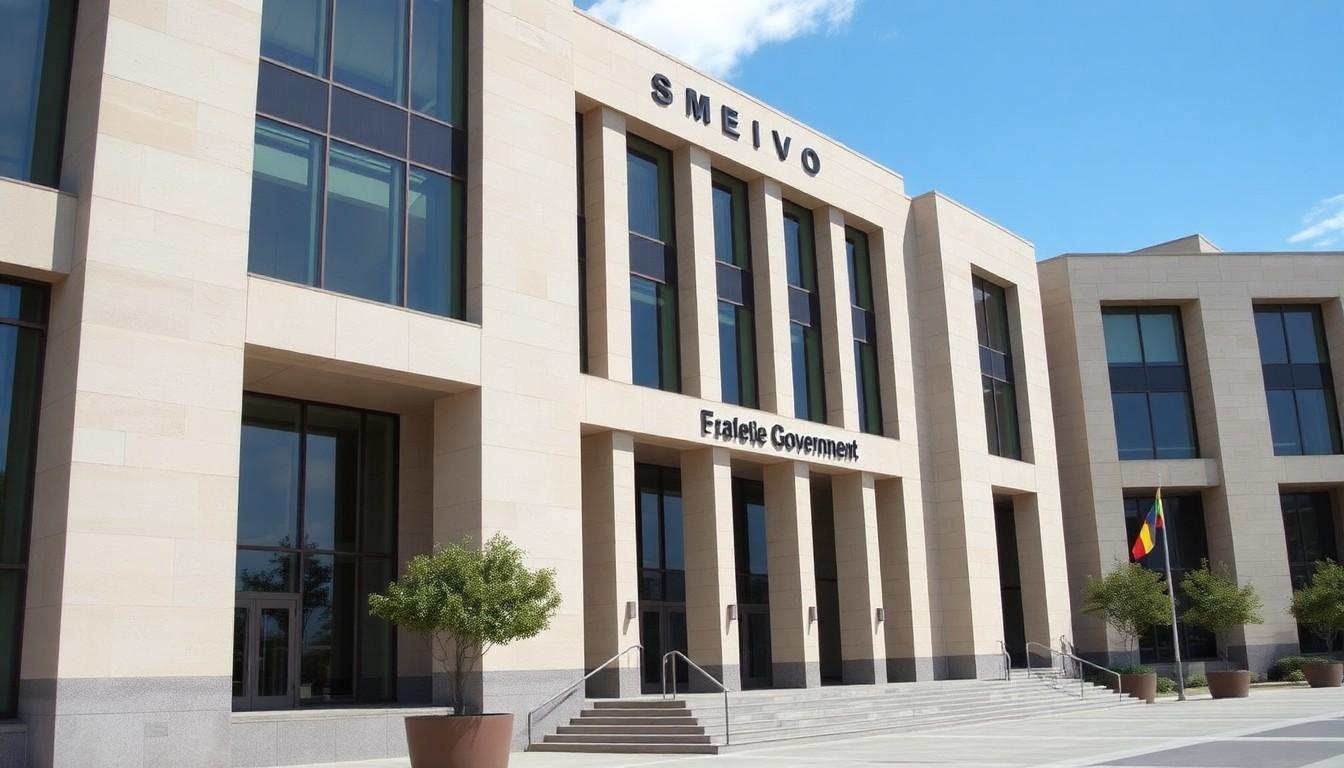
Community groups in Coahuila are inviting LGBTIQA+ residents to help shape public debate from inside the state Congress. The 2026 parliament will bring selected participants together in October, creating a visible route into decision-making while keeping discrimination, rights and unfinished legislative work firmly on the agenda.
Essential Takeaways
- Applications are open: People from the LGBTIQA+ community can register by email until 1 October.
- The event is in October: Sessions are planned at the Coahuila Congress on 16 and 17 October.
- Selection comes next: Organisers expect to decide on participants by 9 October.
- The focus is practical: Discussions will cover new demands, community needs and earlier proposals.
- Visibility matters: The initiative aims to strengthen participation in institutions where laws are debated.
A seat at the table, not just a speaking slot
The LGBTIQA+ Parliament is designed to put community voices directly into the setting where legislation is discussed. That means participants won't simply attend a symbolic event; they'll take part in a structured exercise intended to test ideas, raise concerns and suggest improvements.
Community San Aelredo AC is leading the initiative, which has now become an annual feature after previous editions. According to the organisation, the value lies in opening decision-making spaces to people whose experiences are too often discussed without them in the room.
What the 2026 Coahuila parliament will address
The programme is expected to combine fresh proposals with follow-up on issues raised in earlier years. That continuity is important: public forums can generate plenty of attention, but their real value is measured by whether recommendations remain visible once the microphones are switched off.
Organisers say the parliament will examine the community's current needs and demands, alongside initiatives and statements that still require progress. Recent reporting on discrimination in workplaces and concern about hate crimes in Coahuila underline why those conversations remain urgent rather than ceremonial.
How to apply and what happens next
Anyone from the LGBTIQA+ population who wants to be considered can submit an application to [email protected]. The deadline is 1 October, giving prospective participants a short window to put themselves forward and explain the issues they want to bring into the chamber.
After applications close, organisers will review the profiles and complete the selection process by 9 October. It's worth preparing a clear application: a concise explanation of your experience, the problem you'd like addressed and the change you want to see will make your contribution easier to understand.
Why the October dates carry extra weight
The sessions are scheduled for 16 and 17 October at the Congress of the State of Coahuila, close to the International Day for the Elimination of Discrimination on 19 October. That timing gives the event a strong public frame, linking institutional participation with a wider reminder that equality requires action, not only visibility.
The contrast is striking. While other parliamentary initiatives, such as children's congresses, focus on developing civic participation among young students, this forum centres on a community seeking a stronger role in shaping laws that affect everyday life. Both approaches point to the same lesson: representation works best when people are invited into the process early.
A visible step, with work still to do
Noe Ruiz Malacara, president of Comunidad San Aelredo AC, said the organisation is encouraged by growing visibility for LGBTIQA+ people in Coahuila and wants that momentum to support fairer laws. He also described occupying a congressional seat as the result of effort and collaboration, rather than a decorative gesture.
That distinction matters. A two-day parliament won't solve discrimination on its own, but it can sharpen proposals, build relationships and leave lawmakers with a clearer record of what communities are asking for. For applicants, it offers something rare and valuable: the chance to turn lived experience into public policy.
It's a small window to apply, but a meaningful chance to be heard where decisions are made.
Source Reference Map
Story idea inspired by: [1]
Sources by paragraph: