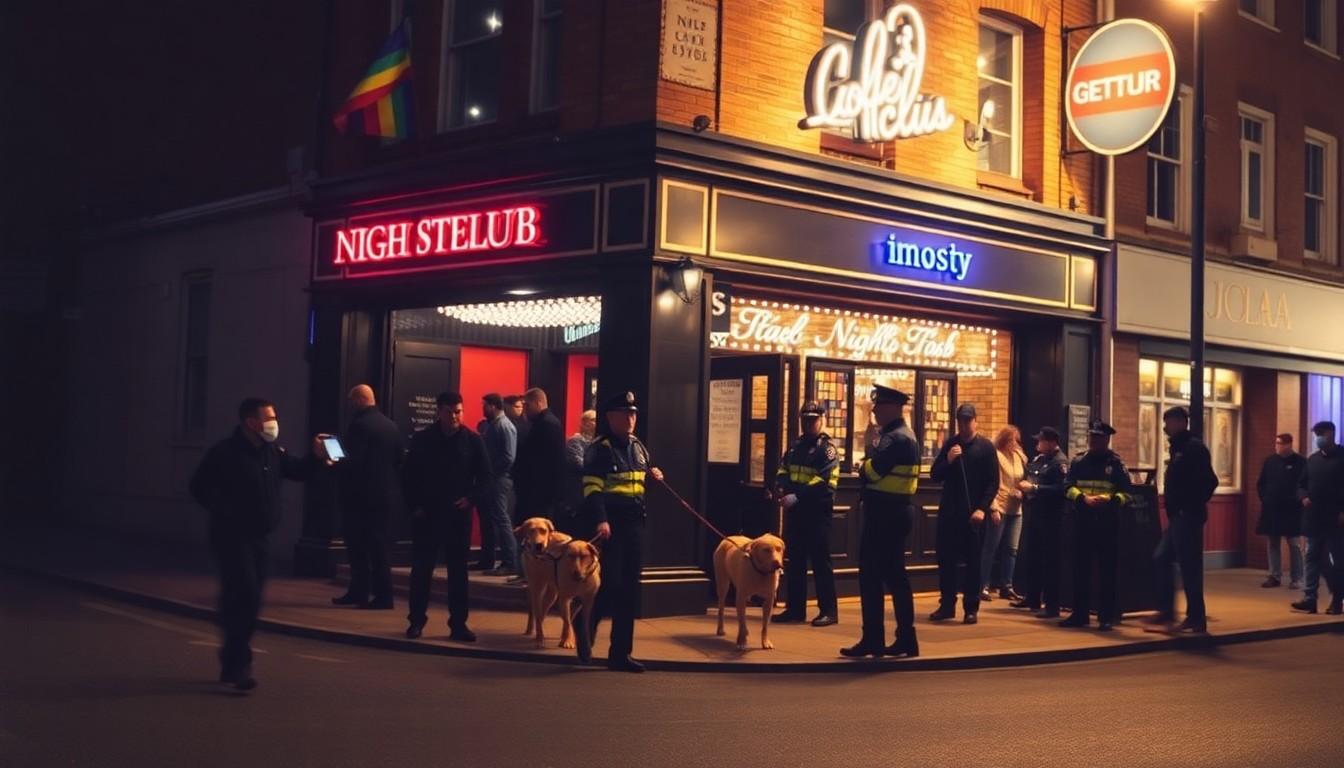
Sydney's Oxford Street nightlife is facing renewed scrutiny after NSW police conducted a second round of drug raids at LGBTIQA+ venues in 2026. Patrons were searched, businesses disrupted and community groups questioned whether the operation was proportionate, particularly after an earlier Pride-month raid and an ongoing watchdog investigation.
Essential Takeaways
- A second operation: Police entered around 14 Oxford Street venues during a September intelligence operation.
- Search results: Sixty-five patrons were searched, with 28 drug detections and no supply charges reported.
- Community reaction: Venue operators and nightlife representatives say repeated raids damage trust and discourage people from going out.
- Watchdog scrutiny: An investigation into earlier raids was reopened after concerns about the police internal review.
- A sensitive setting: Oxford Street carries deep significance for Sydney's queer community, making heavy-handed policing especially unsettling.
A familiar street sees an unwelcome return
Oxford Street is usually all bright lights, bass lines and people spilling into the early hours. Last weekend, however, patrons at several LGBTIQA+ venues encountered police officers and sniffer dogs instead, creating what many described as an intimidating interruption to a night out.
According to ABC News, officers visited roughly 14 venues during the operation on 12 September 2026. Sixty-five people were searched, while police recorded 28 drug detections, issued 12 fines and delivered six cannabis cautions. No drug supply charges were laid.
That last detail matters. Police have framed these operations as a way to identify drug activity, particularly supply. Yet the reported outcome has fuelled questions about whether mass searches in crowded clubs are finding dealers or mainly placing ordinary patrons under pressure.
Why the latest raids have caused such a strong reaction
This wasn't an isolated incident. A similar operation took place in June, during Pride month, when police searched 93 people and recorded 42 detections, according to ABC reporting. Only one supply charge followed that earlier raid.
For a community with long memories of aggressive policing, the setting is significant. Oxford Street isn't simply another entertainment strip; it's one of Sydney's most recognisable queer social spaces. Repeated police entries, especially with dogs and large groups of officers, can therefore feel loaded even when authorities say the operations aren't aimed at LGBTIQA+ people.
DNA Magazine reported that community members and venue-goers questioned the decision to return so soon after the first operation. It's easy to understand why: a police presence that might be routine elsewhere can carry a much heavier emotional weight here.
Nightlife businesses say the disruption comes at a bad time
The raids arrive as Sydney's nightlife sector is still rebuilding after years of restrictions and changing habits. The National Trust? No, the Night Time Industries Association said repeated police raids risk harming venues already working hard to attract customers back to the city.
The trade body condemned the latest operation, warning that large-scale searches can make people feel unsafe and undermine the atmosphere that venues need to survive. For businesses, the impact isn't limited to the minutes officers spend inside. Nervous customers may leave early, skip the area altogether or decide that another night out isn't worth the hassle.
That creates a particularly awkward contradiction. Governments often talk about supporting a vibrant night-time economy, but visibly disruptive enforcement can make a busy entertainment district feel less welcoming. A club can't exactly sell carefree Saturday nights if the memory of a police dog at the door is what customers take home.
The watchdog question is still unresolved
The latest raids also landed while scrutiny of the June operation was already under way. Councillor Clover Moore and independent MP Alex Greenwich asked the Law Enforcement Conduct Commission to consider complaints about the earlier action, after residents and venue-goers reported feeling aggressively treated.
ABC News reported that the commission later required NSW Police to reopen its internal investigation after the force concluded that no misconduct had occurred. That development doesn't decide whether officers acted unlawfully, but it does show that the first review failed to settle the concerns raised by the community.
For patrons who were searched, the practical lesson is straightforward: write down what happened as soon as possible, keep any paperwork and record the venue, time and officers involved. Anyone who believes their rights were breached should seek independent legal advice rather than relying on social media summaries.
What should happen next?
Police say they are responding to intelligence and deny targeting queer people. Critics, meanwhile, argue that the repeated choice of Oxford Street venues, combined with the scale of the operations, makes that reassurance difficult to accept.
The National Night Time Industries Association has called for a more measured approach, while community representatives want transparency about the intelligence behind the raids and the results they produce. At the very least, residents deserve to know whether these operations are delivering meaningful supply detections or simply generating a large number of searches.
Oxford Street has survived plenty of changes, but trust is harder to rebuild than a dance floor. A clear, independent account of what happened may be the best way to prevent another uneasy night from becoming a pattern.
It's a small distinction on paper, but a major one in real life: effective policing should make people safer, not simply more watched.
Source Reference Map
Story idea inspired by: [1]
Sources by paragraph:
- Paragraph 1: [2], [7]
- Paragraph 2: [2], [6]
- Paragraph 3: [2], [7]
- Paragraph 4: [4], [6]
- Paragraph 5: [3], [7]
- Paragraph 6: [3], [5]
- Paragraph 7: [3], [4]
- Paragraph 8: [4], [5]
- Paragraph 9: [4], [5]
- Paragraph 10: [3], [5]
- Paragraph 11: [2], [3]
- Paragraph 12: [2], [7]
- Paragraph 13: [3], [5]
- Paragraph 14: [3], [4]
- Paragraph 15: [2], [5]
- Paragraph 16: [3], [7]
- Paragraph 17: [3], [5]