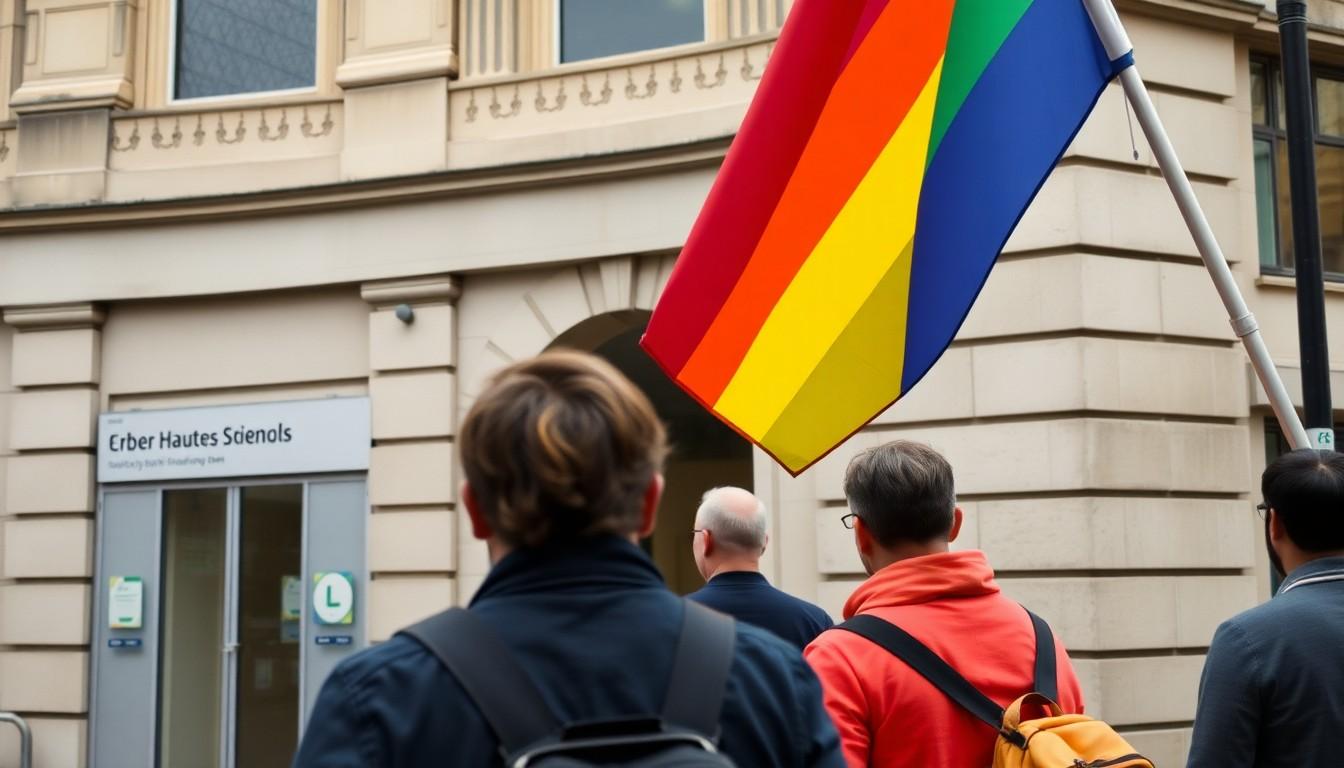
Trade unions are turning up the pressure on Labour over its approach to trans rights and single-sex spaces, with a major dispute now spilling into the party’s women’s conference. The row matters because it pits workplace equality campaigns against demands for privacy, safety and legally protected female-only provision.
Essential Takeaways
- Union opposition is growing: A TUC LGBT+ conference motion criticised the EHRC’s guidance on single-sex services.
- Conference boycott planned: Several unions are reportedly refusing to attend Labour’s women’s conference because of its policy on trans-identified men.
- The Equality Act is central: Activists want ministers to amend the 2010 law, while the Government has so far resisted.
- Political pressure is mounting: Nadia Whittome has argued for stronger legal protection for trans people.
- The dispute is unresolved: The outcome could shape Labour’s position on women’s rights, privacy and inclusion.
The row has moved from campaign groups to Labour’s doorstep
The latest dispute is no longer confined to activist meetings or social-media arguments. It has reached the heart of Labour’s relationship with the trade union movement, just as ministers face growing questions about how the party interprets sex and gender in public life.
At the centre is guidance from the Equality and Human Rights Commission on the Equality Act. According to the TUC’s published motion, delegates were urged to oppose the guidance, arguing that it could damage the rights and inclusion of trans people. For women’s rights campaigners, however, the document is an important attempt to clarify when single-sex spaces and services can lawfully operate.
That clash makes the issue unusually combustible. It isn't simply a disagreement over language, but a dispute about toilets, refuges, changing rooms, hospital wards and workplace policies - the everyday places where broad principles become practical decisions.
Why the Equality Act has become the battleground
The Equality Act 2010 is supposed to balance several protected characteristics, including sex and gender reassignment. The argument now is over how those protections should work when they appear to pull in different directions.
Supporters of the EHRC's guidance say organisations need clear rules, particularly where privacy, safeguarding or trauma are involved. Critics argue that the guidance risks treating trans people as a problem to be managed rather than people entitled to dignity and equal treatment.
The TUC motion reflects that frustration. Meanwhile, reports from Labour-focused and LGBT publications indicate that pressure is building for ministers to revisit the legal framework rather than rely on administrative guidance. That would be a major step, because changing the Act could reopen a much wider debate about how sex-based protections are applied across Britain.
Unions are using a boycott to make their point
The most visible sign of the disagreement is a planned boycott of Labour's women’s conference. Reports from The Pink Times, The Spectator and PinkNews say unions including Unison and Aslef are among those declining to attend because trans-identified men will not be admitted.
That decision gives the dispute a sharper political edge. Trade unions have traditionally been among Labour’s most reliable institutional supporters, so their absence from a flagship party event sends a message that private disagreement has hardened into public resistance.
It also creates an awkward contradiction for Labour. The party wants to present itself as a broad coalition committed to equality, but its own conferences are now being tested by competing definitions of inclusion. One side sees a trans-inclusive policy as a basic matter of fairness. The other sees women-only participation as essential to the purpose of a women’s event.
Andy Burnham faces an uncomfortable test
The decision may ultimately rest with Andy Burnham, whose views on trans issues are being scrutinised as Labour tries to settle its position. The lead commentary argues that his earlier support for trans rights makes him an uncertain ally for campaigners seeking stronger protection for female-only spaces.
That political calculation won't be easy. Moving towards a more restrictive interpretation could reassure women’s rights groups, but it risks angering LGBT+ activists and unions. Holding the current line may preserve Labour’s inclusion message, yet it could deepen the sense among critics that women’s concerns are being treated as secondary.
Nadia Whittome has added to the pressure by calling for legal protection for the rights, privacy and inclusion of trans people, according to reporting around the Brighton meetings. Her intervention shows that the issue isn't confined to the unions. It has also become a live test of Labour MPs’ competing ideas about equality.
What happens next could reshape the debate
For now, ministers appear reluctant to rewrite the Equality Act. That may buy the Government time, but it won't make the underlying disagreement disappear. As the conference boycott and TUC motion show, both sides are organising, lobbying and looking for leverage.
The practical question for employers and public bodies is equally important: how should they design services that protect privacy while treating trans people fairly? Clear policies, careful risk assessments and respectful communication will matter more than slogans, especially in sensitive settings.
Labour’s next move will be watched well beyond Brighton. If it tries to bridge the divide, it will need to explain precisely how inclusion and sex-based rights can coexist. If it chooses one camp over the other, the consequences may be felt across the party for years.
It’s a dispute that demands clarity, not louder slogans.
Source Reference Map
Story idea inspired by: [1]
Sources by paragraph: