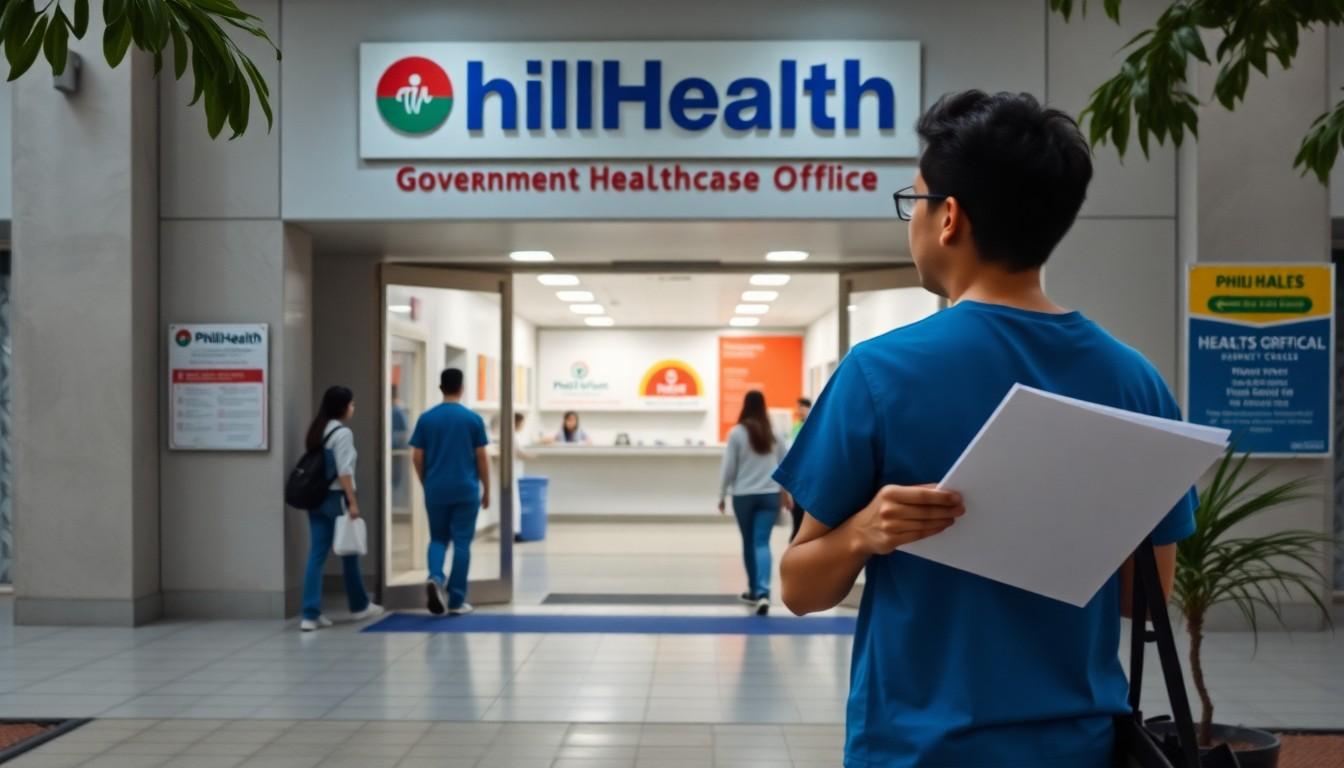
PhilHealth members in the Philippines will soon be able to name a health proxy on their membership form, a move that could give LGBTQIA+ partners a clearer voice during medical emergencies. The update is expected by the end of September, following growing pressure to recognise partners’ rights in hospitals nationwide.
Essential Takeaways
- New registration field: PhilHealth plans to add a section where members can declare a health proxy.
- Emergency decision-making: The change could help a nominated partner communicate with healthcare providers during critical situations.
- LGBTQIA+ impact: Same-sex partners may gain stronger recognition where local Right to Care rules already exist.
- Implementation target: Health officials say the revised form should be ready by the end of September.
- Wider gap remains: Hospitals may still need clear Department of Health guidance to apply the policy consistently.
A small form change with major consequences
In a hospital emergency, a few minutes can feel unbearably long. For LGBTQIA+ couples, that uncertainty can be made worse when a partner isn't automatically treated as the person entitled to receive information or help make urgent decisions.
PhilHealth's planned health proxy field aims to address part of that problem. According to reports from GMA News and ABS-CBN, the insurer is updating its membership or registration form so members can formally identify someone to act on their behalf in health-related emergencies.
The proposal is practical rather than flashy, but that's precisely its strength. A clearly recorded name could spare families and partners from scrambling through paperwork when the atmosphere is already tense and frightening.
Why LGBTQIA+ partners need clearer recognition
The change follows the spread of local Right to Care ordinances designed to reduce discrimination in healthcare. These measures allow LGBTQIA+ people to designate their partners as health proxies, particularly when a patient is unconscious, critically ill or otherwise unable to communicate.
Philippine Star Life and Inside the Metro reported that similar ordinances are already in place across several cities and provinces, including Quezon City, San Juan, Mandaluyong, Parañaque, Dasmariñas, Iloilo, Biñan, Carmona and Laoag, as well as Cavite, Cebu, Laguna and Ilocos Sur.
That patchwork is important, but it also creates an obvious problem. A couple's rights may be clearer in one local government area than another, while hospitals can still hesitate if national instructions aren't explicit. Healthcare should feel consistent, not like a postcode lottery.
PhilHealth's update comes after local pressure
PhilHealth's move appears to be a response to those local initiatives rather than the starting point. During a House Committee on Appropriations hearing, Akbayan Party-list Representative Perci Cendeña raised concerns that some hospitals weren't recognising local Right to Care ordinances because the Department of Health had not issued a supporting memorandum.
According to coverage by GMA News, PhilHealth vice-president for its Member Management Group Joseph Anthony D. Lachica said the organisation was revising its membership form to include the proxy declaration. Health Secretary Edwin Mercado reportedly said the updated document would be available by the end of September.
It's welcome news, although the timing has prompted understandable criticism. Local governments have already been doing the groundwork, and many couples have had to navigate uncertainty without a nationwide system that clearly records their wishes.
What members should check before the form changes
Until the revised form is available, members should keep an eye on official PhilHealth announcements rather than relying on social media posts or informal advice. Once introduced, the proxy field should be completed carefully, with the nominated person's full details matching their valid identification documents.
It may also be sensible to keep copies of the completed declaration with trusted family members or a partner, especially if someone has an existing medical condition. A health proxy form can support communication, but it doesn't necessarily replace every legal document or hospital consent requirement.
The practical question will be implementation. As reports from Bistado and ABS-CBN indicate, the form is only one piece of the puzzle; hospitals and frontline staff must also understand how to recognise and apply the designation.
A welcome step, but not the final answer
A national health proxy option could make the system less confusing and more respectful for LGBTQIA+ patients and their partners. It may also help other members who want a trusted person, rather than a default relative, involved in urgent healthcare decisions.
Still, a form can't solve every barrier. Clear DOH guidance, staff training and consistent hospital procedures will be needed if the policy is to work beyond the registration desk. For couples who've spent years having to explain their relationship in situations where others wouldn't, that follow-through matters just as much as the signature.
The best outcome would be simple: when a crisis arrives, the right person is recognised without delay.
A clearer health proxy system could make emergency care more humane, consistent and inclusive.
Source Reference Map
Story idea inspired by: [1]
Sources by paragraph: