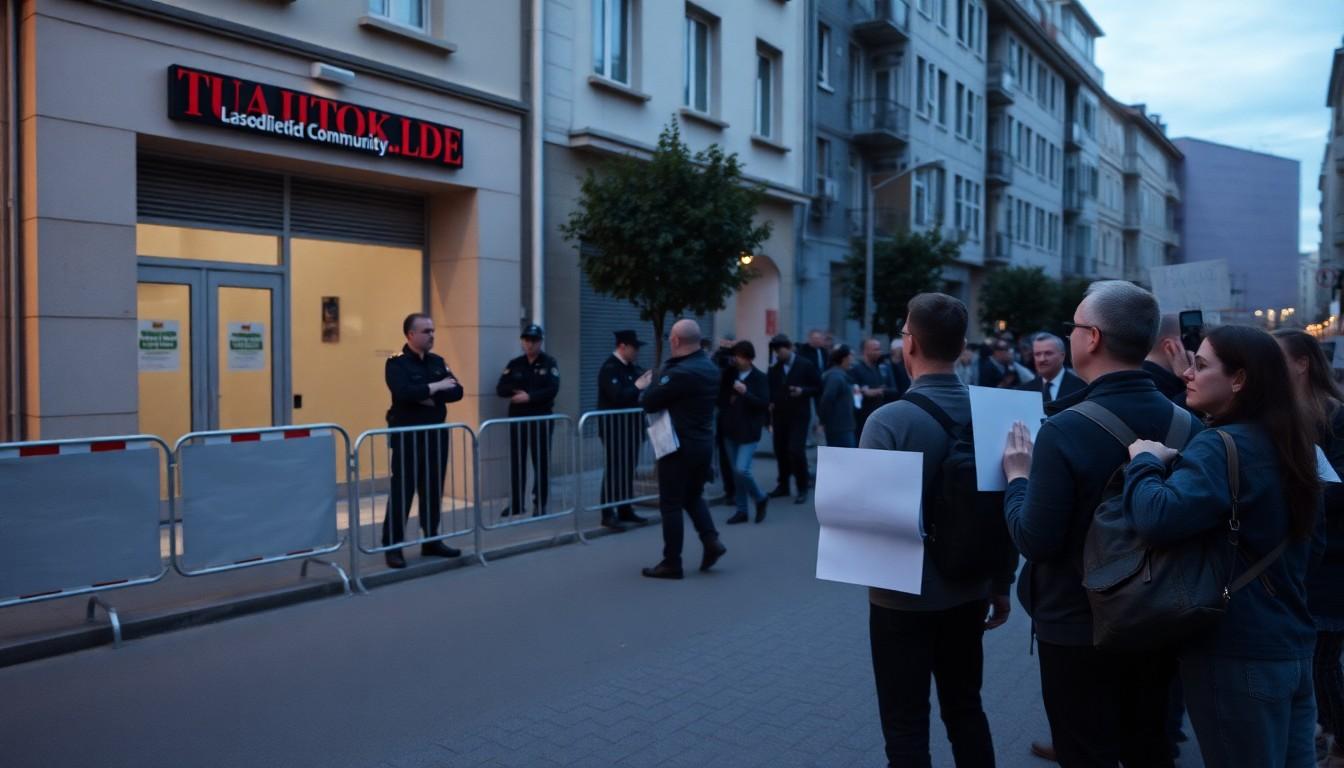
Protests in Istanbul and Izmir have met force, arrests and courtroom pressure as Turkish authorities widen a crackdown on LGBTQ+ groups, activists and businesses. The campaign matters because homosexuality remains legal in Turkey, yet prosecutors are using morality and public-order allegations to target a community already pushed from public life.
Essential Takeaways
- Dozens detained: Rights groups and lawyers report arrests across several Turkish cities, with some people sent to pre-trial detention.
- Protests disrupted: Demonstrators outside courthouses were reportedly surrounded, dispersed and detained by police.
- Legal pressure widened: Investigations reportedly involve activists, associations, clubs and bars.
- LGBTQ+ identity isn't illegal: Authorities are instead relying on allegations involving obscenity, prostitution and child protection.
- European concern is growing: Amnesty International, EU figures and lawmakers have condemned the escalating pressure.
Police confront protesters outside Turkish courts
The latest arrests unfolded against a tense backdrop: people gathered outside courthouses in Istanbul and Izmir to demand the release of LGBTQ+ activists. According to reports from Agence Europe and Amnesty International, police declared the gatherings unlawful, surrounded demonstrators and made further arrests.
The scenes have included journalists and media workers, adding another layer to an already troubling picture. The Associated Press reported that some reporters and camera operators were among those detained while covering the protests, although at least one was later released.
For demonstrators, the message was direct: free those being held. For the authorities, the response has been a reminder that even visible solidarity can now carry serious consequences.
Why homosexuality's legal status matters
Homosexuality itself isn't prohibited in Turkey. That hasn't stopped prosecutors from pursuing LGBTQ+ people and organisations through other offences, including claims linked to obscene material or alleged assistance with prostitution.
Amnesty International said the authorities' approach risks turning ordinary community activity into a criminal matter. The organisation has called for detained activists to be released and for the broader campaign against LGBTQ+ rights groups to end.
That legal distinction is important. Rather than openly banning sexual orientation, the state can apply broad morality or public-order provisions to venues, associations and individuals. It creates a chilling effect, particularly when people don't know which meeting, performance or online post might attract police attention.
A campaign framed as family protection
The crackdown has reportedly been presented under a family-safety banner, with officials invoking children and young people's protection. Critics argue that this language disguises an attempt to remove LGBTQ+ people from public life rather than address a clearly defined criminal threat.
According to the Associated Press and the World Socialist Web Site, the pressure extends beyond individual activists. Authorities have announced investigations involving organisations and commercial venues, including clubs and bars, suggesting a campaign aimed at the wider support network around the community.
That pattern has been building for years. Pride marches have faced bans and heavy police intervention, while public rhetoric has become more openly hostile. The result is a narrower space for people to organise, speak and simply be visible.
Arrest figures vary, but the direction is clear
Reports cite different totals as the operation develops. Lawyers and rights monitors have described arrests in Istanbul, Ankara, Izmir and Kusadasi, while officials have indicated that investigations cover a much larger number of people, groups and businesses.
Some people detained during the demonstrations were expected to be released after roughly 24 hours. That doesn't necessarily mean the wider case has ended, as separate activists arrested earlier have reportedly remained in pre-trial detention.
For families and legal teams, that distinction matters enormously. A short detention can still mean lost work, confiscated equipment and fear, while a court order for pre-trial detention places much heavier pressure on both the individual and their community.
Europe faces a familiar test
European officials and lawmakers have criticised the treatment of LGBTQ+ people in Turkey, according to Agence Europe and Amnesty International. Their statements reflect wider concern over the country's human rights record and its handling of civil society.
The response also raises a difficult question for governments that maintain close political, security or economic ties with Ankara: how forcefully should they respond when fundamental rights are under pressure? Some German politicians have called for protection and asylum for LGBTQ+ people facing persecution in Turkey.
For those on the ground, international statements may feel distant compared with a police cordon outside a courthouse. Still, sustained scrutiny can help document abuses and make it harder for authorities to present repression as routine public administration.
The next test will be whether detainees are released, whether charges proceed and whether the government broadens the campaign further. For Turkey's LGBTQ+ community, the immediate concern is simpler: staying safe while refusing to disappear.
It's a stark reminder that legal recognition on paper means little without freedom in public life.
Source Reference Map
Story idea inspired by: [1]
Sources by paragraph: