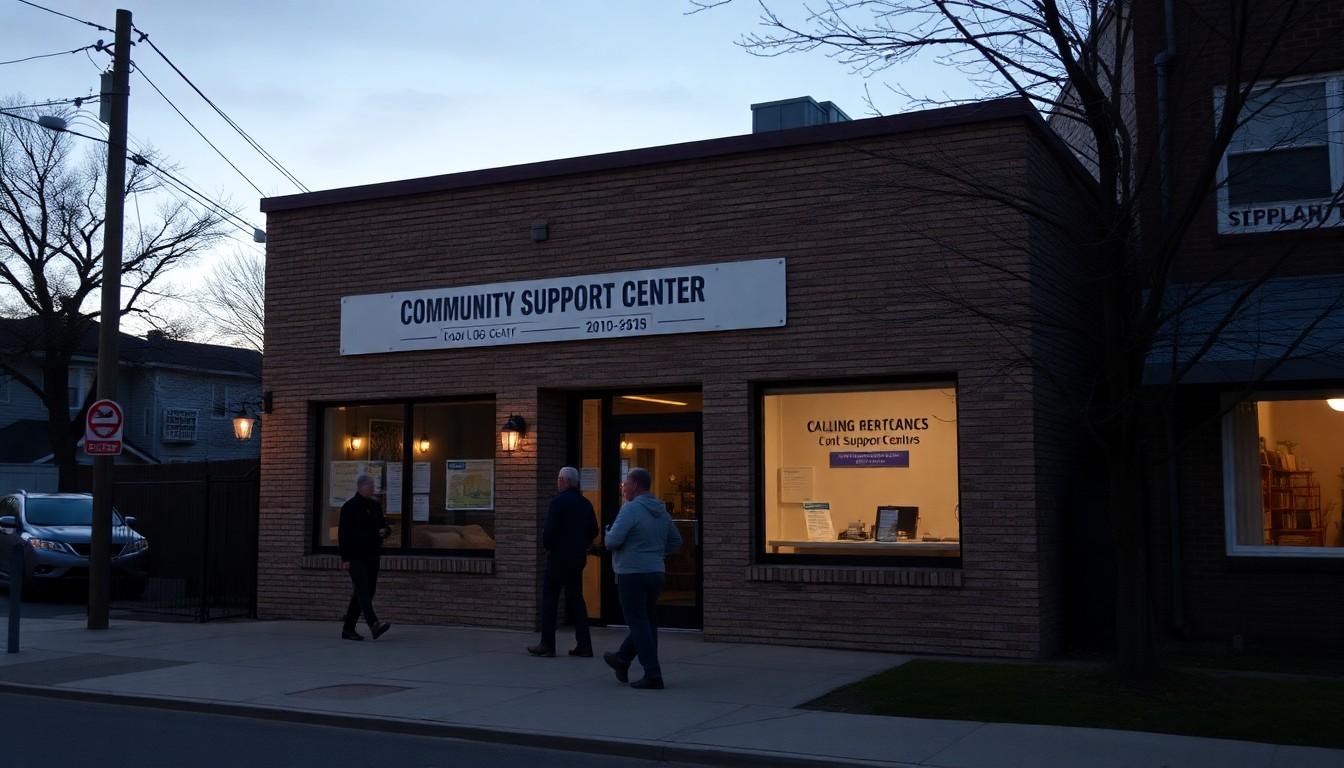
Communities across the UK are confronting a painful pattern: drug-related deaths are touching LGBTQ+ people at disproportionately high rates, while grief and risk can become strangely normalised. New data and first-hand reflection suggest that protecting nightlife and belonging must go hand in hand with making spaces safer.
Essential Takeaways
- A stark inequality: Official England and Wales data shows drug-related mortality is higher among some sexual-minority groups than among heterosexual people.
- Loss is widespread: A recent LGBTQ+ community survey found that nearly one in three respondents had lost someone to a drug-related death.
- Nightlife has two sides: Clubs and social spaces can offer joy, safety and belonging, but they can also expose people to serious substance-related risks.
- Support often comes late: People may wait until drug use feels like a major problem before seeking help, making early, non-judgemental intervention vital.
- Safety isn't betrayal: Challenging harmful patterns doesn't mean abandoning queer culture or the spaces that have helped people feel at home.
The numbers are too serious to ignore
The most unsettling part of this conversation isn't one isolated statistic. It's the way several measures point in the same direction, suggesting that LGBTQ+ people face a sustained and unequal burden of drug-related harm.
Office for National Statistics figures covering England and Wales found differences in cause-specific mortality by sexual orientation, including elevated drug-related death rates among some sexual-minority groups. The pattern matters because it moves the issue beyond anecdote. These aren't simply unfortunate incidents happening at the edges of nightlife; they're part of a wider health inequality. According to the Office for National Statistics, the gap sits alongside broader differences in mortality and health outcomes. [2][7]
The Health Foundation's evidence hub also places drug-related deaths within a wider landscape shaped by deprivation, mental health, housing, trauma and access to care. That context matters. A person rarely arrives at a dangerous pattern of use for one neat, easily labelled reason, and moral judgement tends to obscure rather than solve the problem. [5]
Why belonging and risk can become tangled
For generations, queer nightlife has been more than entertainment. Bars, clubs and parties have offered places to meet people, build friendships and live openly, particularly for those who didn't find acceptance at home or in mainstream settings.
That history gives these spaces enormous emotional weight. It also helps explain why conversations about drugs can feel threatening. If partying is tied to friendship, liberation and the relief of being understood, questioning the risks may sound like an attack on the community itself. But preserving belonging shouldn't require pretending that harmful patterns aren't present.
Research published in Addiction adds to the evidence that substance use and related harms are not distributed evenly across populations. Its findings underline the need to understand LGBTQ+ experiences in their social context, rather than treating drug use as an individual failing detached from discrimination, stigma or isolation. [6]
Grief can create a dangerous kind of distance
When a death happens, people don't always respond with clear-eyed alarm. Sometimes the mind reaches for distance: the person who died used more, took bigger risks or was somehow unlike the rest of us. It's an understandable defence, but it can also make preventable danger feel remote.
A recent survey reported by Attitude found that nearly one in four LGBTQ+ respondents had lost a loved one to drugs, while the wider community research described in the lead discussion put the figure closer to one in three among its London participants. The precise figures differ because the studies and samples differ, but the direction is unmistakable: bereavement is not rare. [3]
That matters because repeated loss can produce numbness as easily as action. People may become used to funerals, frightening incidents and near misses, even though each one should be a reason to strengthen support. The emotional cost is immense, and silence can leave friends carrying fear alone.
Harm reduction needs to feel practical, not punitive
A more useful response starts with straightforward safety information and services that people can approach before a crisis. That means confidential drug and alcohol support, mental health care, sexual health services and peer-led organisations working together rather than operating in separate lanes.
The most effective conversations are usually specific. They acknowledge why someone uses substances, ask what they're taking and how often, and discuss mixing, impaired judgement, consent, overdose risk and emergency action without turning the exchange into a lecture. If someone becomes unresponsive, has trouble breathing, suffers a seizure or cannot be woken, call 999 immediately and stay with them.
Research and policy evidence consistently support earlier intervention, better treatment access and targeted services for groups facing unequal risk. The Health Foundation's data on drug-related deaths makes clear that prevention can't rely on personal willpower alone; social conditions and the design of services matter too. [5]
Queer culture can hold joy and accountability together
There is no contradiction between defending LGBTQ+ spaces and asking whether they are safe enough. In fact, a community that values connection should be able to talk honestly about the ways people are being hurt within those spaces.
Recent reporting on LGBTQ+ mortality has described the disparity as deeply concerning, while also pointing towards the need for better data and more tailored support. The answer isn't to shame people out of nightlife, or to romanticise risk as part of identity. It's to make help visible, immediate and normal, so that asking for support doesn't feel like admitting defeat. [4]
That could mean venues improving staff training, friends learning how to respond to an overdose, organisers making support information easy to find and healthcare providers offering services that understand queer lives. None of this removes pleasure or freedom. It gives people a better chance of coming home.
A community can protect its joy without looking away from the dangers that threaten it.
Source Reference Map
Story idea inspired by: [1]
Sources by paragraph: