Turkish authorities have launched an unusually broad crackdown on LGBTQ+ groups and activists, putting renewed focus on how rights and risks vary across the Muslim-majority world. The operation has unsettled campaigners from Ankara to the Gulf, where legal protections, social acceptance and state violence can look dramatically different.
Essential Takeaways
- A sweeping operation: Turkish authorities reportedly pursued cases involving 162 people, nine associations and 13 businesses across 15 provinces.
- Legal does not mean safe: In countries where same-sex relationships aren't criminalised, activists can still face surveillance, censorship and harassment.
- Punishments vary sharply: Elsewhere, LGBTQ+ people risk imprisonment, corporal punishment, deportation or, in some jurisdictions, the death penalty.
- Online spaces are vulnerable: Dating apps and social-media accounts have become tools for both community-building and state targeting.
- Palestine is divided: Gaza and the West Bank operate under different legal systems, but queer Palestinians face serious social and political pressure in both.
Turkey's crackdown sends a chilling signal
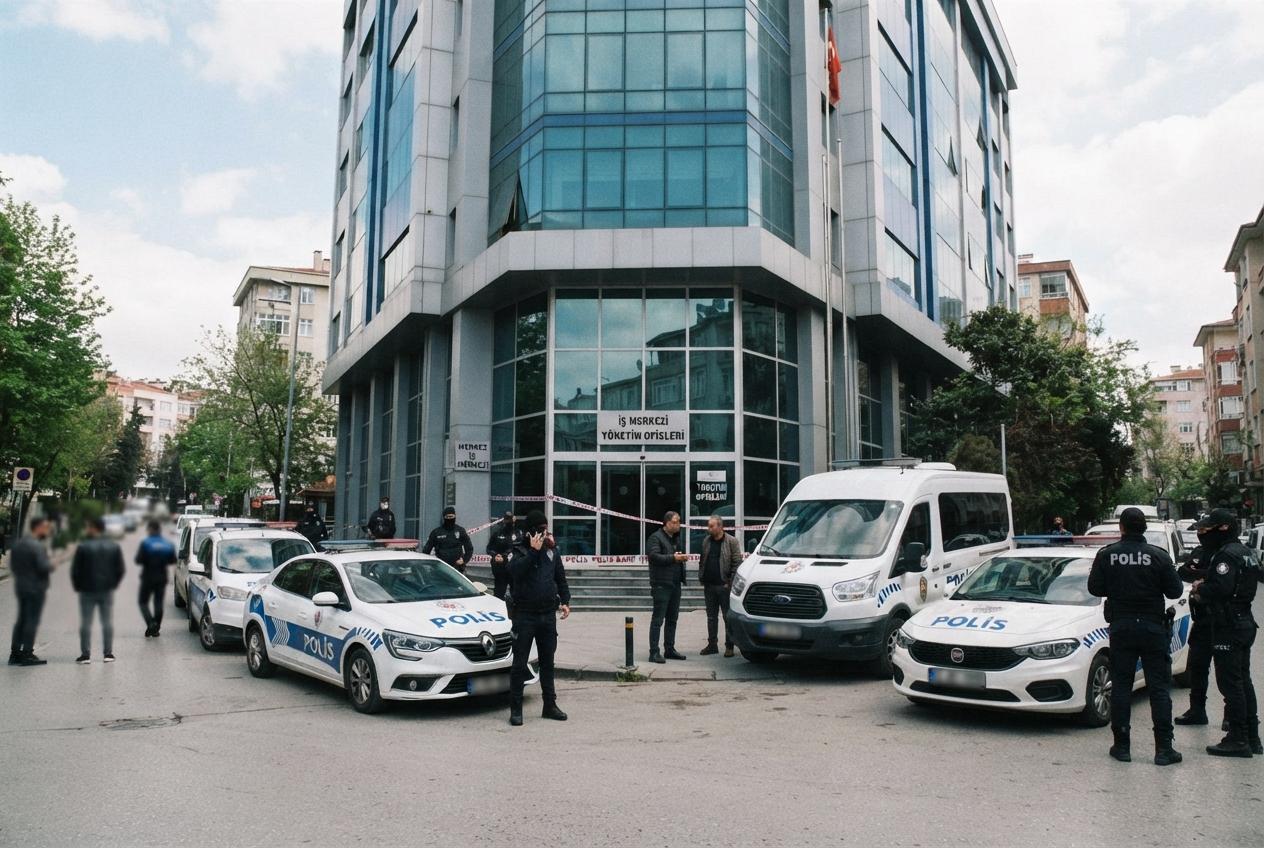
The strongest warning comes from the scale of the Turkish action. Authorities carried out raids over the weekend of 12 and 13 September, targeting LGBTQ+ organisations, activists, venues and online accounts. The operation, given the family-focused title "My Family Is Safe", has been described by international outlets as a major escalation.
The Associated Press reported that dozens of people were detained, while the Los Angeles Times highlighted the targeting of LGBTQ+ and HIV-support groups. Separate reporting by the Times of Israel described raids involving bars, activists' homes and community spaces. The details are stark: closed offices, disrupted networks and a sudden sense that familiar places may no longer be secure.
Turkey doesn't formally criminalise homosexuality, but that distinction offers little comfort when authorities can use broad provisions relating to public morality, obscenity or pornography. The result is a familiar pattern across the region: a right may exist on paper while daily life becomes steadily more dangerous.
Why legal status only tells half the story
A map of LGBTQ+ rights can look deceptively neat. Turkey and Jordan, for example, don't outlaw consensual same-sex relationships, yet social conservatism and state pressure can make visibility risky. In Lebanon, Beirut has long been associated with queer cultural life, but activists still operate against legal ambiguity and political hostility.
Egypt shows how criminalisation can work without naming homosexuality directly. Authorities have relied on morality and so-called debauchery laws, with dating apps creating an especially exposed digital trail. A profile that feels private can become evidence, bait or a route to arrest.
That gap between law and lived experience matters for travellers, journalists and anyone supporting local organisations. "Legal" isn't the same as protected, and a tolerant-looking city centre may conceal deep risks for residents who can't simply leave a hotel or return home.
The Gulf's polished image masks serious risks
The United Arab Emirates and Qatar present another contradiction. International events, luxury tourism and carefully managed hospitality can create an impression of openness, particularly in major hotels and business districts. Yet that surface should not be mistaken for broad LGBTQ+ rights.
Reporting summarised by Tanea and other regional coverage points to possible imprisonment, corporal punishment and deportation under local laws and interpretations of Sharia. Foreign visitors may experience discretion rather than acceptance, while citizens and migrant workers can face far greater exposure.
For anyone travelling, the practical lesson is simple: check current government travel advice, avoid public displays that could attract official attention and don't assume dating apps are secure. Digital privacy matters too, especially where online conversations can be monitored or used to identify people.
From prison sentences to the death penalty
At the harshest end of the spectrum, same-sex relationships can carry the death penalty. Iran, Saudi Arabia and Afghanistan under Taliban rule are repeatedly cited among the most dangerous environments for LGBTQ+ people, although the legal systems and enforcement practices differ.
Iran's policy is particularly contradictory. Gender-affirming surgery has been permitted and, in some cases, supported by the state, while gay and lesbian people can face extreme punishment. That apparent accommodation of transition has sometimes been described by rights groups as coercive rather than liberating, especially when people are pressured to change legal or physical identity to escape prosecution.
Saudi Arabia's penalties can include imprisonment and corporal punishment, with the death penalty also possible. In Afghanistan, the Taliban's return has revived fears that executions and other severe abuses could be imposed openly. These aren't abstract legal details; they shape whether people can seek medical care, contact family or simply live without hiding.
Gaza and the West Bank show why geography matters
Palestinian LGBTQ+ people face a particularly fractured landscape. In Gaza, same-sex relationships remain criminalised under an older legal code, while rule by Hamas has been associated with allegations of torture, arbitrary detention and extrajudicial violence. The political framing of homosexuality as betrayal can make the danger even more acute.
In the West Bank, same-sex relationships are not explicitly criminalised under the applicable Jordanian code. Yet police harassment, social exclusion and family pressure remain serious concerns. Reporting on the attempted restriction of the LGBTQ+ group Al-Qaws illustrated how legal non-criminalisation doesn't guarantee the freedom to organise.
The threat may also come from home. So-called honour crimes and forced secrecy can push queer Palestinians into double lives, unsafe relationships or attempts to leave the country. For many, the most immediate risk isn't a courtroom but the family living room.
A rights map should measure safety, not just statutes
The Turkish raids have brought fresh attention to a wider reality: progress can be reversed quickly, even where homosexuality isn't illegal. Activists can lose offices, platforms and funding long before a government changes the criminal code.
The most useful way to read the regional picture is therefore to ask several questions at once. Are relationships legal? Can organisations register and operate? Are people protected from violence and discrimination? Can they access healthcare, housing and a safe digital life? A country that passes only the first test may still be profoundly unsafe.
For LGBTQ+ communities, that uncertainty makes solidarity and secure support networks essential. For outsiders, it calls for humility: visibility can be empowering in one place and perilous in another. The map isn't just about laws; it's about who gets to live openly without fearing the knock at the door.
The crackdown is a small reminder with enormous consequences: rights need protection, not merely permission.
Source Reference Map
Story idea inspired by: [1]
Sources by paragraph:
- Paragraph 1: [2], [3]
- Paragraph 2: [4], [5]
- Paragraph 3: [6], [2]
- Paragraph 4: [3], [6]
- Paragraph 5: [2], [4]
- Paragraph 6: [5], [6]
- Paragraph 7: [2], [3]
- Paragraph 8: [4], [5]
- Paragraph 9: [2], [6]
- Paragraph 10: [3], [4]
- Paragraph 11: [5], [6]
- Paragraph 12: [2], [3]
- Paragraph 13: [4], [5]
- Paragraph 14: [2], [6]
- Paragraph 15: [3], [4]
- Paragraph 16: [5], [6]
- Paragraph 17: [2], [3]
- Paragraph 18: [4], [5]
- Paragraph 19: [2], [6]
- Paragraph 20: [3], [4]
- Paragraph 21: [5], [6]
- Paragraph 22: [2], [3]