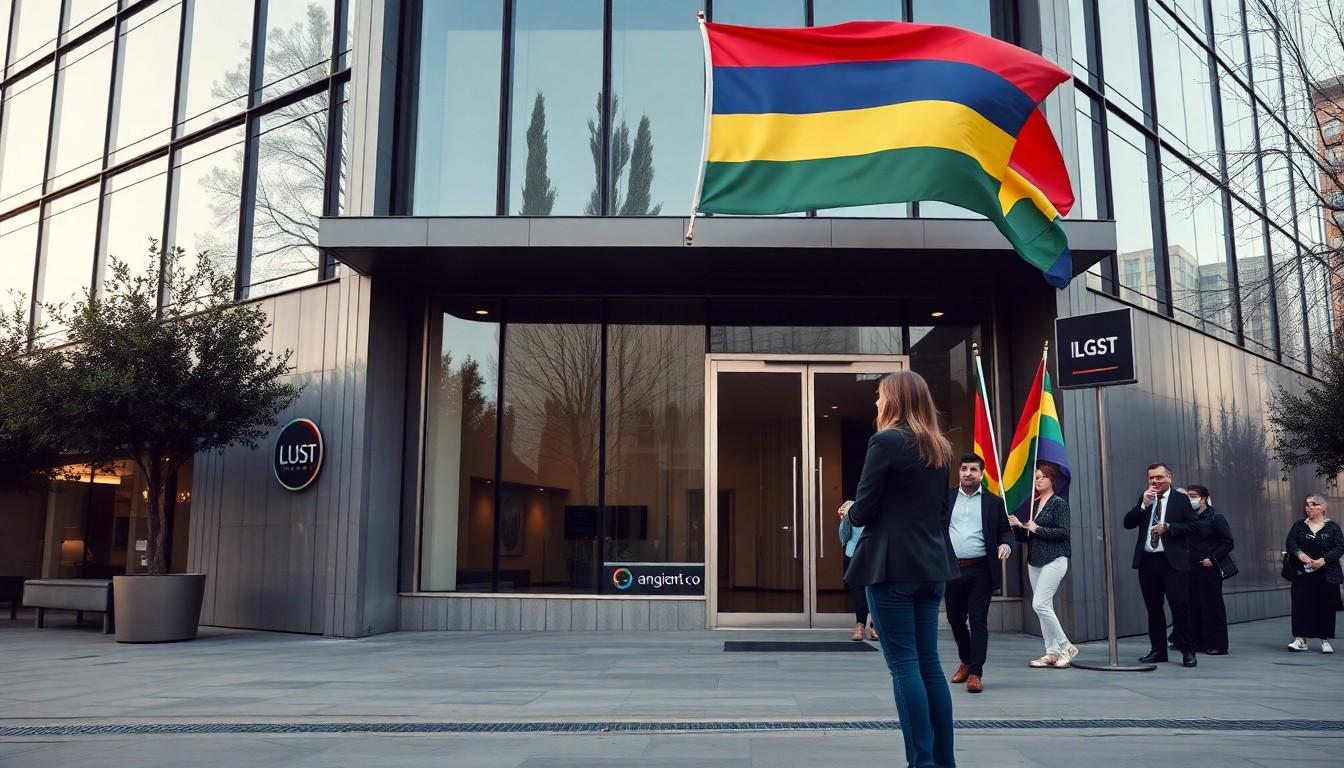
Rights campaigners and political figures in Turkey are calling for people detained in the Ailem Guvende operation to be released, arguing that LGBT identity, human-rights advocacy and lawful association must not be treated as crimes. The case has also raised wider concerns about freedom of expression and civil society.
Essential Takeaways
- Political criticism: YENI Party politician Aylin Nazliaka has urged the detainees’ release.
- Groups affected: LGBT+ and women’s-rights organisations are reportedly among those facing scrutiny and access restrictions.
- Wider concern: Critics say the operation risks criminalising identity, solidarity and peaceful organising.
- Public reaction: Trade unions, professional bodies and rights groups have voiced opposition.
- Legal principle: Campaigners argue that forming associations and defending equality are constitutionally protected activities.
Arrests prompt a sharp political response
The strongest reaction has come from the suggestion that basic rights activism is being reframed as wrongdoing. Aylin Nazliaka said people detained during the operation should be freed, naming activists associated with women’s rights and LGBT+ organisations. Her comments reflect the unease spreading beyond the communities directly affected. According to SonDakika, she argued that defending human rights and belonging to the LGBT+ community aren't crimes.
The operation, reportedly carried out in the early hours, has placed several civil-society groups under pressure. Access restrictions affecting associations have added to concerns about transparency and due process. The atmosphere, campaigners say, feels less like a routine investigation and more like a warning to organisations working on equality. DW Türkçe reported that critics have responded with the message that simply existing isn't an offence.
Why Ailem Guvende has become a wider rights issue
At the heart of the dispute is the line between investigating alleged criminal conduct and treating a person's identity or advocacy as evidence of wrongdoing. Rights groups say those categories must remain separate. Otherwise, a case involving specific allegations can quickly cast suspicion over an entire movement.
Nazliaka also criticised the inclusion of allegations such as drugs and encouragement of prostitution, saying they were unrelated to the core issues raised by the organisations. That claim has intensified the debate over whether the public is being given a clear, balanced account of the investigation. Cumhuriyet reported that KESK described the developments as part of a broader problem involving discrimination and restrictions on association.
For supporters of LGBT rights, the concern is immediate and practical. If groups lose access to their offices, records or communication channels, they may struggle to provide support to people already facing isolation, family pressure or violence. A quiet office can be a lifeline, even when it looks unremarkable from the outside.
Unions and professional bodies join the criticism
The response hasn't been limited to politicians or LGBT+ organisations. KESK, the Confederation of Public Employees' Trade Unions, has criticised the operation, framing it as a threat to equality and democratic participation. Its intervention matters because it connects the dispute to a larger question: what protections are available to any group that challenges discrimination?
The Turkish Union of Chambers of Engineers and Architects has also condemned operations targeting LGBT+ organisations, according to SonDakika. That broadening coalition suggests the issue is being viewed as a test of civil society rather than a dispute confined to one community.
Kaos GL reported calls for authorities to stop targeting LGBT+ groups. Meanwhile, public statements by unions and rights organisations have kept attention on the detainees and the restrictions placed on associations. For observers, the growing list of critics shows how quickly a single operation can become a national argument about democratic space.
What the case means for organisations and families
For associations, the immediate practical questions are straightforward but serious: can staff access their premises, continue support work and communicate with members? Any restriction can have a chilling effect, especially for smaller groups with limited funds and no backup infrastructure.
Families and individuals who rely on LGBT+ support services may also feel the impact. These organisations often offer referrals, counselling information, legal guidance and a sense of community. When their work is portrayed as suspicious, people may hesitate before seeking help. That hesitation can be costly, particularly where discrimination or domestic violence is involved.
Campaigners therefore say the authorities should publish clear information about the allegations, the legal basis for the detentions and the status of any access restrictions. Clear evidence and open procedures would help distinguish legitimate law enforcement from collective stigmatisation. As KESK's criticism reported by Cumhuriyet suggests, the consequences reach well beyond the named detainees.
The next test is transparency
The case now appears set to become a measure of how Turkey treats equality groups and peaceful organising. Rights advocates want the detainees released and the restrictions lifted, while also calling for a process that doesn't turn identity or association into a presumption of guilt.
That demand has a human dimension. Behind the legal language are people who run support networks, attend meetings and speak publicly about discrimination. The debate may continue in courtrooms and political statements, but for those affected, it is also about whether they can keep the lights on and the doors open.
The coming days will show whether officials provide fuller explanations and whether the operation leads to further action. Until then, the central question remains simple: can a democratic society protect public safety without treating equality work as a threat?
It's a small distinction in wording, but a crucial one in practice: investigate alleged crimes, not identities.
Source Reference Map
Story idea inspired by: [1]
Sources by paragraph:
- Paragraph 1: [2], [5]
- Paragraph 2: [2], [4]
- Paragraph 3: [4], [5]
- Paragraph 4: [2], [6]
- Paragraph 5: [7], [4]
- Paragraph 6: [6], [7]
- Paragraph 7: [4], [5]
- Paragraph 8: [3], [4]
- Paragraph 9: [7], [6]
- Paragraph 10: [4], [7]
- Paragraph 11: [3], [5]
- Paragraph 12: [2], [4]
- Paragraph 13: [5], [7]
- Paragraph 14: [3], [6]
- Paragraph 15: [4], [7]