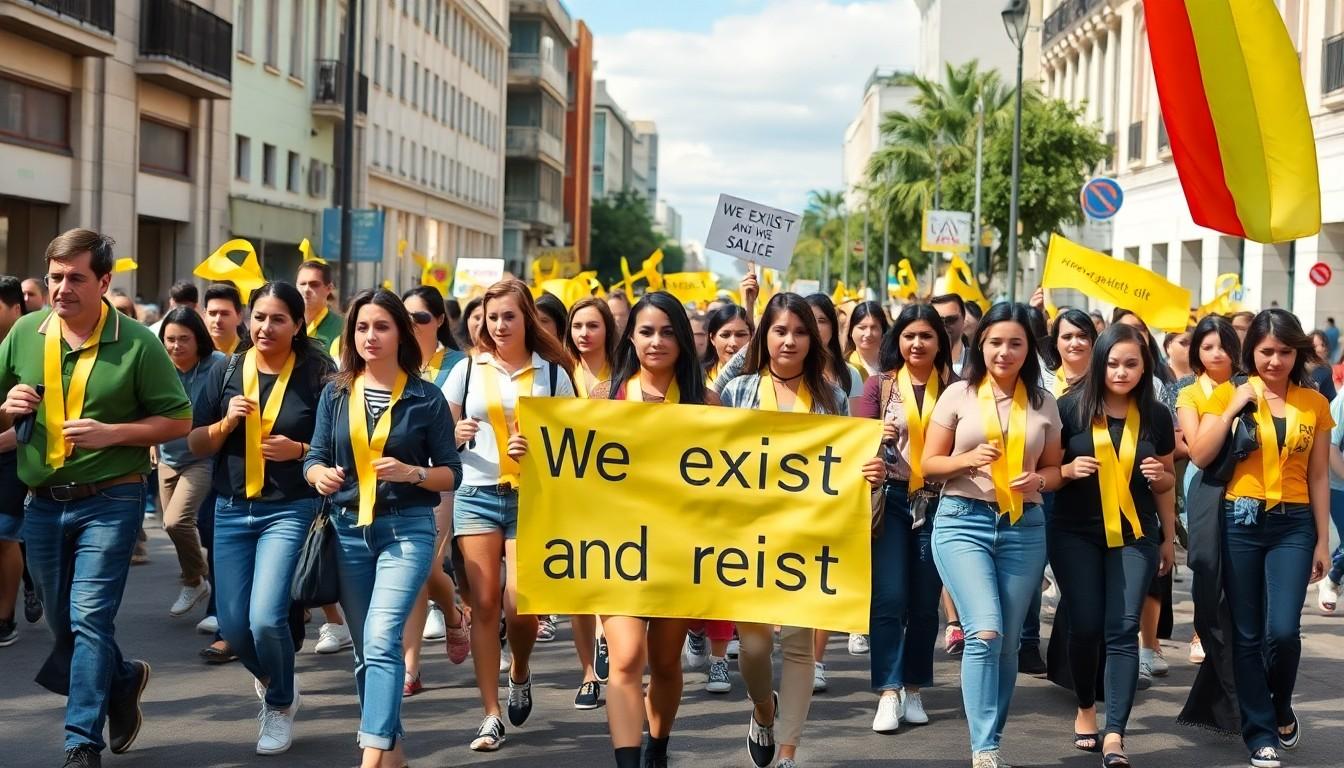
Organisers are preparing Salto's 17th Diversity March for Saturday 19 September, with the rallying cry "We exist and we resist". The event will bring visibility, family diversity and mental health into the streets, offering a powerful reminder that pride is both celebration and protection.
Essential takeaways
- When and where: The march begins at 7pm from Plaza Artigas and ends at Plazoleta Roosevelt.
- This year's message: "We exist and we resist" responds to hatred and attempts to silence diverse identities.
- A wider focus: Organisers are linking the event with Setiembre Amarillo, Uruguay's suicide-prevention campaign.
- Two important symbols: The pride flag will appear alongside the yellow ribbon associated with suicide prevention.
- Families in every form: The proclamation rejects the idea that only one kind of family deserves recognition.
Salto's pride march puts visibility first
Salto's 17th Diversity March will take place on Saturday 19 September, setting off from Plaza Artigas at 7pm before finishing at Plazoleta Roosevelt. The route is more than a public gathering. It's a deliberate decision to be seen, heard and recognised in a climate where hateful language can make people feel pushed out of public life.
The central phrase, "We exist and we resist", gives the event a firm but hopeful edge. According to the Ministry of Social Development, Uruguay's 2026 diversity campaign also frames inclusion as part of building a fairer future, placing the Salto march within a broader national conversation.
That combination matters. Pride can be colourful and joyful, but the act of walking together through the city still carries emotional weight. For many participants, visibility isn't a slogan on a banner. It's the everyday freedom to show up without shame.
Why the message reaches beyond celebration
The organisers' proclamation challenges speech that ranks some people as more legitimate than others. It argues that comments designed to diminish a person's identity or family are not harmless opinions, but part of a wider culture of hostility.
The word "family" is especially important in this year's message. Rather than accepting a narrow definition, the organisers underline that families are built in many ways, with different forms of love, care and belonging. Uruguay's official diversity messaging similarly presents recognition and equal treatment as ongoing work, rather than a finished achievement.
There is a quiet practicality to that argument. When public language becomes more inclusive, people are less likely to feel that their home life needs defending every time it is mentioned. That may sound basic, but basic dignity is often exactly what public campaigns are fighting to protect.
Pride and Setiembre Amarillo meet in one procession
This year's march also carries a more serious thread, linking September's diversity events with Setiembre Amarillo, the suicide-prevention initiative. The connection follows a painful experience within the local organising group and gives the word "exist" a second, deeply personal meaning.
The symbolism will be visible in the procession. Alongside the rainbow pride flag, participants will carry the yellow ribbon associated with suicide prevention. It creates a striking visual pairing: one symbol celebrates identity and resistance, while the other points towards care, support and the importance of staying alive.
September already has a crowded calendar of public campaigns in Uruguay, from diversity initiatives to national awareness days. The national holiday calendar confirms how often the month is used for civic and social observances, but Salto's event gives those themes a particularly human focus.
A practical reminder about support and safety
For anyone attending, the key details are straightforward: arrive before 7pm at Plaza Artigas, consider travelling with someone you trust and plan how you'll get home after the event. If the march brings up difficult feelings, staying near friends or a support network can make the evening feel safer and more manageable.
The wider message is just as practical. If someone says they feel hopeless, isolated or unable to continue, listen without judgement and help them contact local emergency or mental health services. A march can't solve every problem, but it can make support more visible and remind people that they aren't facing everything alone.
The emphasis on suicide prevention also gives the event a different texture from a purely celebratory parade. There will still be colour, music and pride, but beneath it sits a firm insistence that every person deserves the chance to remain present in their own community.
Why resistance remains part of pride
The organisers' warning not to become complacent reflects a wider reality. Rights and recognition can appear secure until public debate turns hostile, so visibility continues to matter even when progress has already been made.
Uruguay's public institutions continue to mark diversity through national campaigns, while social and cultural events across the country keep the conversation in view. That doesn't mean every dispute is settled. It means there are established platforms for challenging discrimination and making space for people whose lives have too often been treated as an argument.
In Salto, the march offers a clear answer: show up together. The rainbow flag and yellow ribbon will make the message instantly recognisable, but the people behind them will give it meaning. Sometimes resistance looks less like a grand speech and more like walking through town with your head held high.
Existing and resisting can be both a public statement and an act of care.
Source Reference Map
Story idea inspired by: [1]
Sources by paragraph: