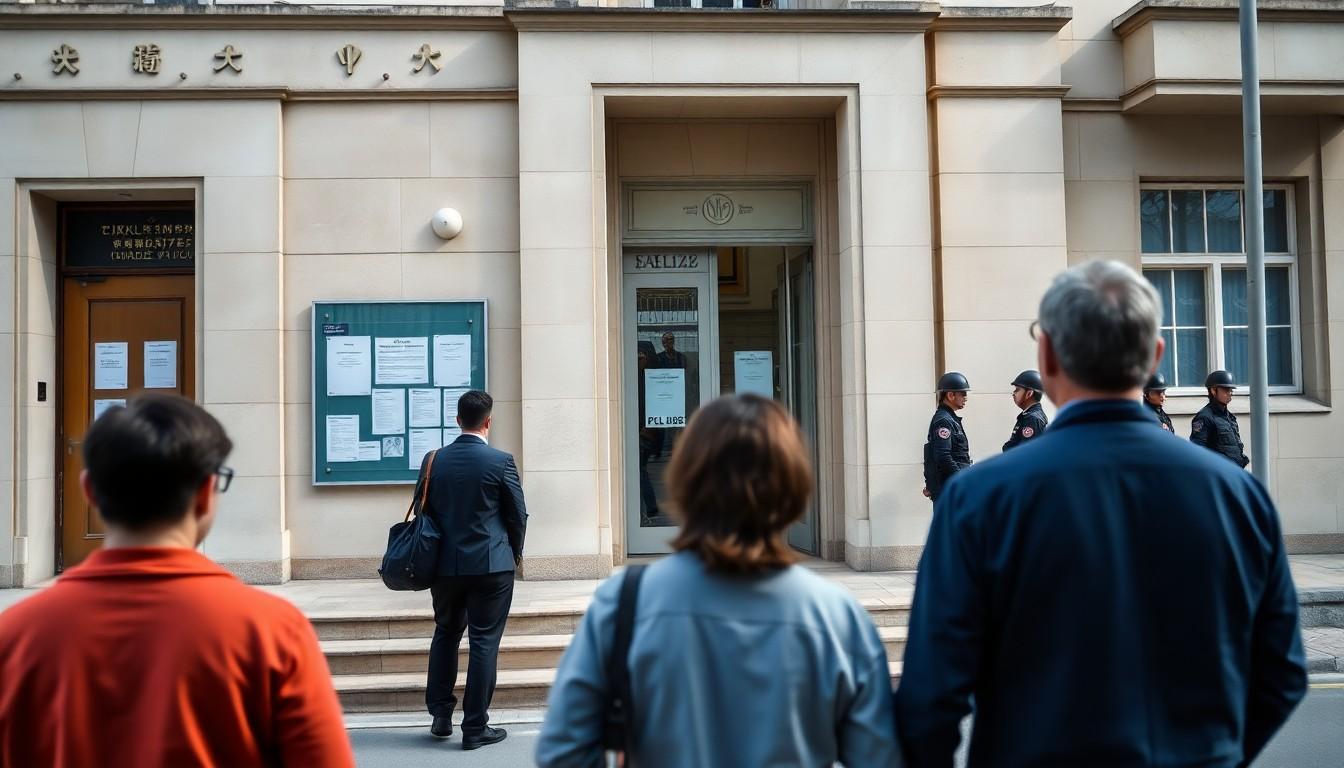
Turkish authorities have detained at least 47 people in a nationwide operation targeting LGBTQ+ activists and organisations, while restricting access to related websites and social media accounts. The raids, carried out across 12 provinces, have raised fresh concern about Turkey's expanding use of family rhetoric to limit queer rights and independent civil society.
Essential Takeaways
- At least 47 detained: Operations took place across 12 Turkish provinces, with further arrests possible.
- Homes and organisations targeted: Police reportedly detained activists during raids on private residences.
- Online restrictions widened: LGBTQ+ groups, feminist organisations and rights advocates have faced blocked websites and accounts.
- Family rhetoric used: Authorities linked the operation to a government campaign focused on protecting children and traditional family structures.
- Pride remains restricted: Istanbul Pride has been banned since 2015, with later marches repeatedly broken up.
Raids reach activists' homes
The strongest shock is the personal nature of the operation. According to Gaydio, Turkish police raided the homes of LGBTQ+ activists as well as gay venues, turning private spaces into scenes of arrest and investigation.
The Istanbul chief prosecutor's office said the weekend operation involved 38 suspects across 12 provinces, while the overall number detained reached at least 47. Reports suggest that figure could rise, leaving families, colleagues and community groups waiting for clarity.
For activists, the raids are more than another difficult headline. A knock at the door in the early hours can make an already tense political climate feel immediate, cold and frightening.
The internet crackdown adds another layer
The pressure hasn't stopped at physical arrests. LGBTQ+ organisations, feminist groups, activists and human rights advocates have also seen websites and social media accounts blocked or restricted, according to ThePrint.
Kaos GL, one of Turkey's best-known LGBTQ+ organisations, was among those affected. Lawyer and human rights advocate Levent Piskin was also reportedly targeted online, while internet freedom monitors documented restrictions affecting several other groups and individuals.
That combination matters. When authorities limit both meeting spaces and digital communication, campaigners lose the ordinary tools used to organise, share safety information and challenge official claims.
What does "family protection" mean in practice?
Prosecutors reportedly argued that the operation was connected to evidence suggesting children and young people were being inappropriately influenced on sexual orientation and gender identity. The government gave the crackdown the title "My Family is Safe".
The language fits President Recep Tayyip Erdogan's wider "Decade of Family and Population" strategy, introduced amid concerns about falling birth rates and an ageing population. The policy presents family growth and traditional values as national priorities, but rights groups say that framing is being used to stigmatise LGBTQ+ people.
The Associated Press reported that the latest arrests form part of a broader intensification of pressure on queer organisations and activists. It is a familiar political pattern: a campaign presented as protection can, in practice, narrow who is allowed to speak, gather or be visible.
Turkey's LGBTQ+ restrictions have deepened over time
Same-sex relationships remain legal in Turkey, but legal status has never guaranteed equal treatment. LGBTQ+ people continue to face discrimination, restrictions on public organising and a hostile environment around protest.
Istanbul Pride has been banned since 2015. Subsequent attempts to march have repeatedly been dispersed by police, making the annual event a marker of both resistance and state pressure.
Gay Express reported that the latest raids have prompted renewed condemnation from rights advocates. The Turkish Human Rights Association described the operation as state-led discrimination, politics of fear and the dismantling of civil society.
Why the raids matter beyond the LGBTQ+ community
The wider concern is what happens when one community's organisations are treated as a threat. Restrictions placed on LGBTQ+ groups, feminist organisations and rights lawyers can create a template that affects other forms of dissent too.
The raids also send a message to ordinary supporters, journalists and volunteers. Even people who aren't directly arrested may begin to self-censor, avoid public events or keep quiet online. That kind of silence is difficult to measure, but it's often one of the most lasting effects of an intimidation campaign.
Turkey's LGBTQ+ community has continued organising despite years of pressure. The latest operation suggests the struggle won't simply be about one weekend of arrests, but about whether independent groups can still operate openly.
It's a sobering reminder that protecting civil society means defending the right to organise, not just the right to exist.
Source Reference Map
Story idea inspired by: [1]
Sources by paragraph:
- Paragraph 1: [2], [4]
- Paragraph 2: [3], [7]
- Paragraph 3: [5], [6]
- Paragraph 4: [2], [7]
- Paragraph 5: [4], [6]
- Paragraph 6: [3], [5]
- Paragraph 7: [2], [4]
- Paragraph 8: [6], [7]
- Paragraph 9: [3], [5]
- Paragraph 10: [2], [6]
- Paragraph 11: [4], [7]
- Paragraph 12: [2], [3]
- Paragraph 13: [5], [6]
- Paragraph 14: [4], [7]
- Paragraph 15: [2], [6]
- Paragraph 16: [3], [7]