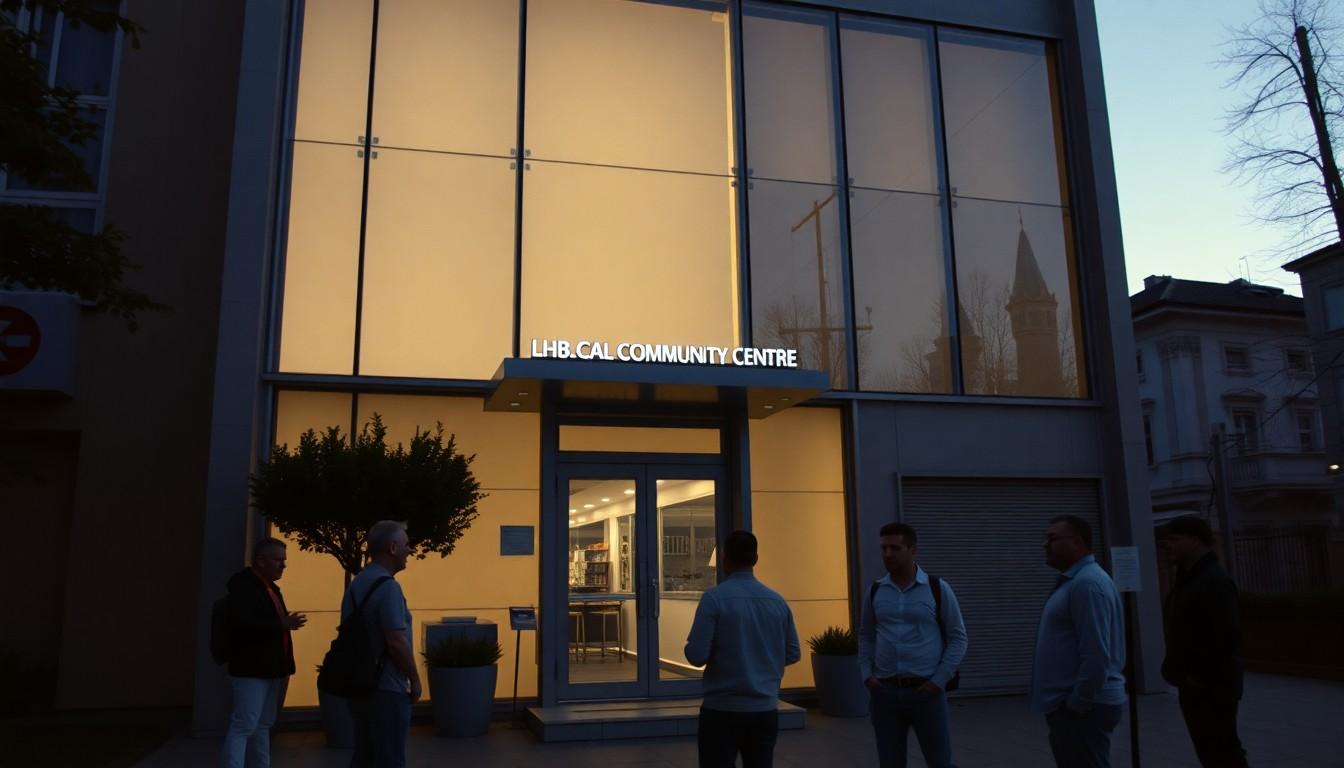
Authorities in Turkey have detained LGBTQ activists and raided community-linked organisations in a sweeping operation that has alarmed rights groups. The action, reported across Istanbul and other provinces, has fuelled fears that legitimate support work is being treated as criminal activity, while campaigners say they won't be pushed into silence.
Essential Takeaways
- A nationwide operation: Police targeted activists, venues, organisations and businesses across multiple provinces.
- Dozens detained: Reports differ on the precise total, but the operation involved at least several dozen people.
- Unproven accusations: Authorities cited offences including obscenity, drugs and prostitution, without publicly presenting supporting evidence.
- Digital pressure is growing: Websites and social-media accounts linked to LGBTQ and wider rights campaigns were also blocked.
- Activists are resisting: A demonstration was planned in Istanbul despite widespread fear and uncertainty.
A raid that has shaken Turkey's LGBTQ community
The strongest impression from the operation is its breadth. Police reportedly entered offices, clubs, bars and businesses, while also detaining people connected to LGBTQ rights and HIV support work. For activists, the atmosphere is not simply tense; it's the unnerving feeling that a familiar door, office or online account could suddenly become a target.
According to the Associated Press, the authorities' campaign extended beyond individual arrests and into the organisations that provide advocacy and support. That matters because these groups often offer practical help where official services are limited, including legal guidance, health information and community assistance.
The operation appears to be one of the most extensive actions against Turkey's LGBTQ community in recent years. Human rights observers told German broadcaster ARD that it represented an especially serious escalation, with civil-society work being placed uncomfortably close to criminal investigations.
What are the Turkish authorities alleging?
Prosecutors have cited a mixture of accusations, including obscenity, drug-related offences, prostitution and allegedly forming an organisation to commit a crime. Officials have also repeated claims that LGBTQ-related material confuses young people and threatens the traditional family.
But publicly available reporting has not identified clear evidence supporting those allegations. Reuters reporting carried by several international outlets said the arrests followed raids on groups and people associated with LGBTQ advocacy, including organisations involved in HIV support.
That gap between accusation and evidence is central to the controversy. Campaigners argue that broad, morally loaded claims can make almost any form of community work appear suspicious, from running a support group to organising a public event.
Why this is bigger than LGBTQ activism
The crackdown has also raised concern because online restrictions reportedly affected accounts beyond LGBTQ organisations. An association of lawyers and a group working against sexual violence were among those said to have experienced blocked websites or social-media channels.
The Los Angeles Times reported that HIV support groups were caught up in the wider action, highlighting how quickly a political campaign can spill into public health. When information channels disappear, people may lose access to testing advice, referrals and confidential support, not just advocacy content.
That wider impact is why rights groups see the raids as part of a broader pressure campaign against civil society. The concern isn't only who was detained this weekend, but what other organisations may now expect at their own doors.
A tense climate for queer people in Turkey
Homosexuality itself isn't illegal in Turkey, yet queer people can face discrimination, harassment and hostility in daily life. Public rhetoric from senior political figures has added to that pressure, particularly when LGBTQ people are portrayed as a threat to family values.
Reporting from Cyprus-based Kıbrıs Inform described police action across 15 provinces, underlining the geographical scale of the operation. For activists outside Istanbul, that reach can feel particularly isolating, as local networks are smaller and support may be harder to replace.
The political backdrop also explains why the raids have prompted such anxiety. Campaigners say the government is using LGBTQ people as a convenient enemy while the country faces serious economic and social problems. It's a familiar tactic in many countries: turn a vulnerable minority into a symbol of national decline, then present repression as protection.
Defiance remains, but so does fear
Despite the shock, community groups have signalled that they won't simply disappear. An Istanbul demonstration was planned in response to the arrests, offering a visible show of solidarity at a moment when public visibility carries obvious risks.
Reuters-based reports put the number of detainees at 26 in one account, while Turkish authorities referred to a larger operation involving 162 people. The differing figures may reflect separate stages of the investigation or different definitions of who was targeted, so the final scale remains difficult to establish.
For friends, relatives and allies, the pressure is personal as well as political. One activist told ARD that many people who support LGBTQ rights, or simply have queer friends and family, are now worried about what comes next. That quiet circle of concern may be far larger than the list of names in any official statement.
Turkey's raids have therefore become a test of whether civil-society groups can continue working under increasingly hostile conditions. The immediate question is who will be released, charged or investigated, but the longer one is harder: how much space will remain for independent advocacy?
A crackdown can close offices and silence accounts, but it doesn't erase the need for safety, healthcare or dignity.
Source Reference Map
Story idea inspired by: [1]
Sources by paragraph:
- Paragraph 1: [2], [3]
- Paragraph 2: [4], [6]
- Paragraph 3: [2], [5]
- Paragraph 4: [3], [6]
- Paragraph 5: [4], [7]
- Paragraph 6: [3], [5]
- Paragraph 7: [2], [6]
- Paragraph 8: [4], [5]
- Paragraph 9: [3], [6]
- Paragraph 10: [2], [7]
- Paragraph 11: [4], [6]
- Paragraph 12: [2], [3]
- Paragraph 13: [5], [7]
- Paragraph 14: [2], [6]
- Paragraph 15: [3], [4]