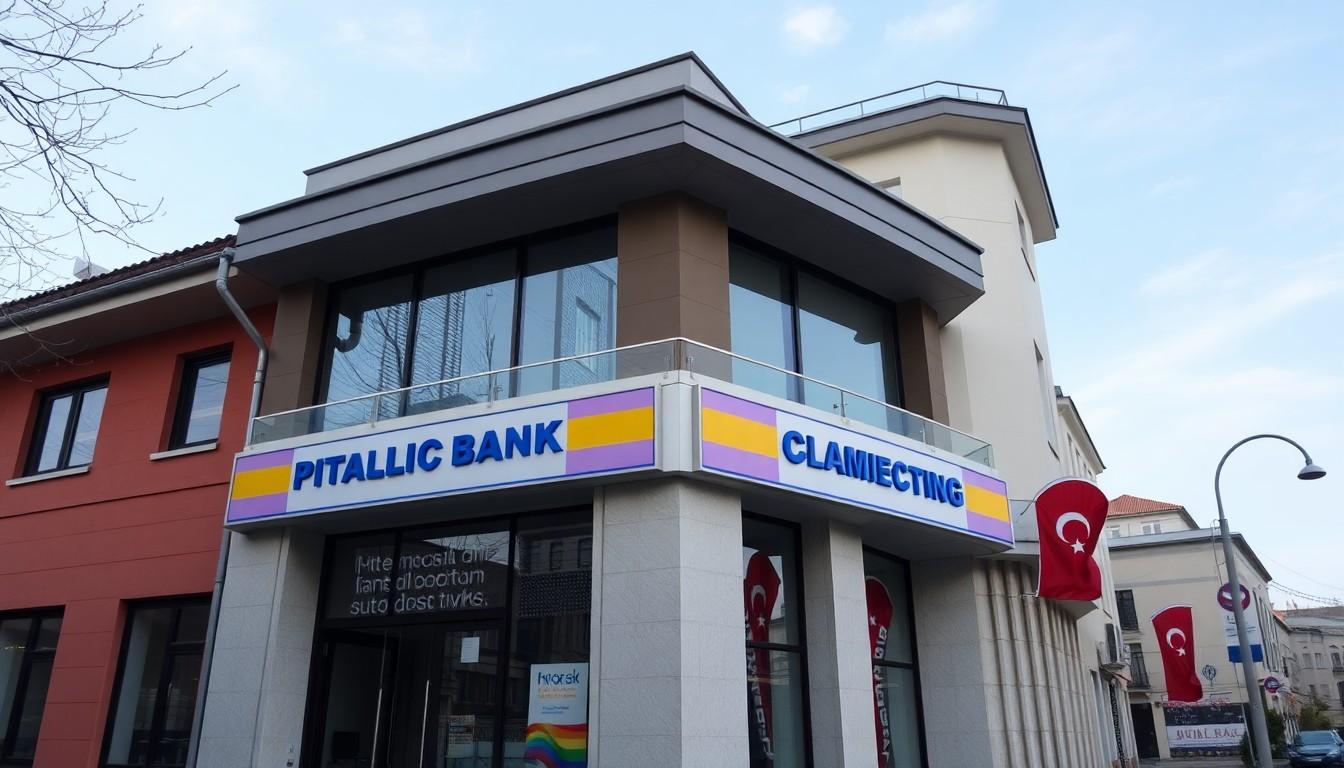
Authorities in Turkey have restricted access to dozens of LGBT and feminist accounts on X, sparking fresh concern among rights groups and digital freedom advocates. The move affects activists and organisations using social media to share information, organise events and challenge discrimination, raising difficult questions about expression online.
Essential Takeaways
- Dozens of accounts affected: LGBT and feminist groups reportedly lost access or became difficult to view in Turkey.
- Activists rely on X: The platform remains an important space for organising, public education and rapid-response support.
- Rights groups object: Advocacy organisations have condemned the restrictions as discriminatory and harmful to free expression.
- The wider pattern matters: The action follows other reported blocks affecting LGBT content and accounts.
- Users may need workarounds: Restrictions can make posts, campaign updates and support resources harder to reach.
A fresh restriction hits Turkey's LGBT community
The latest restrictions have placed a quiet but powerful barrier around online LGBT activism in Turkey. According to the Associated Press, access to a number of accounts on X was blocked or limited, affecting groups that use the platform for advocacy, communication and community support.
For people following campaigns from behind a phone screen, the impact can feel immediate. A missing profile, an inaccessible post or a stalled announcement may seem minor, but together these interruptions can cut off vital information. The concern is especially acute for smaller organisations without the money or reach to quickly rebuild elsewhere.
Why X remains so important to activists
X is hardly a calm corner of the internet, yet it remains useful when organisations need to publish a statement, share a legal update or gather people around an urgent issue. Reports from the Urania Institute describe the restrictions as part of a broader pressure campaign affecting LGBT accounts and online visibility.
That makes the issue bigger than a platform dispute. When an account disappears, followers can lose access to helplines, event information, safety advice and public records of discrimination. Online space is often where marginalised communities find one another first, especially when traditional media coverage is limited.
The crackdown follows increasingly hostile rhetoric
The restrictions come amid an increasingly confrontational political climate surrounding LGBT rights in Turkey. Bangsar.net reported that the move followed renewed official attacks on LGBT people and organisations, intensifying fears that online censorship is being used alongside public rhetoric.
Rights advocates say the combination can be particularly damaging. Harsh language from officials may encourage hostility offline, while account restrictions make it harder for affected communities to answer back. It creates an uneven conversation in which one side can speak loudly and the other is repeatedly pushed out of view.
What account blocking means in practice
A blocked account isn't necessarily erased everywhere, but local access restrictions can make it effectively invisible to users in Turkey. Reports from Proceso and the Urania Institute indicate that the measures have affected accounts linked to LGBT and feminist groups, limiting their ability to communicate with domestic audiences.
That can disrupt ordinary work as much as headline-making campaigns. Activists may need to move updates to alternative platforms, rely on mirrored posts or ask supporters abroad to share material. The result is a slower, riskier information network, with followers left wondering whether a vanished account has been suspended, censored or simply made unreachable.
Rights groups call for the restrictions to end
Turkish Minute reported that rights organisations have condemned the closures, describing them as an attack on freedom of expression and the ability of civil society groups to operate. Their criticism reflects a wider concern that social platforms are increasingly being treated as tools of political control rather than neutral communication channels.
The coming months will show whether the restrictions remain targeted or expand to more accounts and platforms. For now, the message to activists is unmistakable: even a familiar social feed can become contested territory overnight. That uncertainty is exhausting, but it also explains why digital rights remain closely tied to real-world safety and participation.
It's a reminder that online visibility can be a lifeline, not a luxury.
Source Reference Map
Story idea inspired by: [1]
Sources by paragraph: