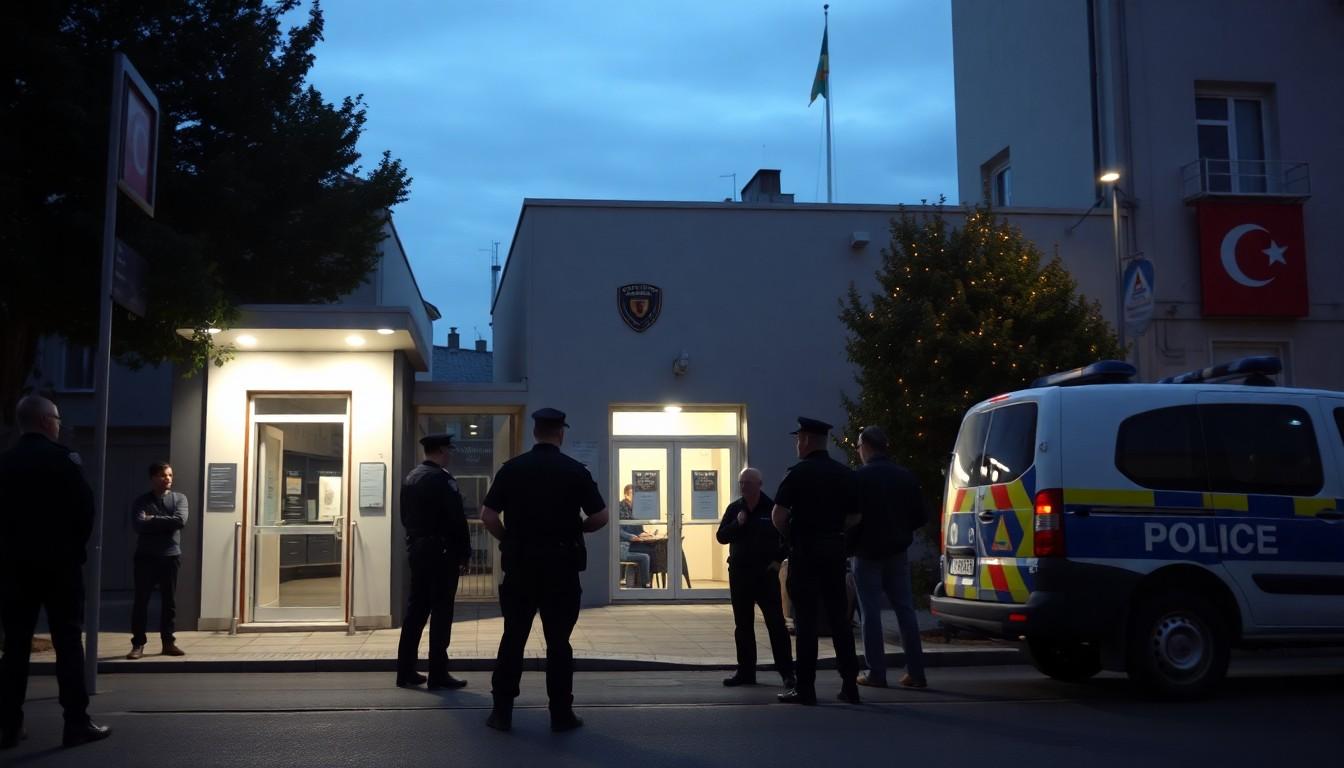
European officials have raised alarm after raids on LGBTQ venues, homes and support groups in Turkey led to dozens of arrests. The action, reported across 15 provinces, has intensified fears among activists and organisations already facing online restrictions, legal pressure and hostile political rhetoric.
Essential Takeaways
- At least 60 people arrested: Police targeted LGBTQ venues and activists in coordinated operations.
- EU expresses concern: Brussels urged Turkey to protect human rights and dignity regardless of sexual orientation or gender identity.
- Online restrictions deepen fears: Accounts linked to LGBTQ organisations were reportedly blocked on X.
- Legal pressure is mounting: Activists and support groups face proceedings, with courts in Izmir jailing 16 people after related raids.
- Same-sex relationships remain legal: But discrimination and hostility towards LGBTQ people are widespread.
Raids put Turkey's LGBTQ community under renewed pressure
The latest raids have sent a familiar but chilling message through Turkey's LGBTQ community. Police reportedly entered gay bars and activists' homes, while support organisations and HIV-related groups also came under scrutiny, according to reports from regional and rights-focused publications.
The operations stretched across 15 provinces and resulted in at least 60 arrests, giving the crackdown a broad reach rather than the feel of an isolated local action. For people who rely on community venues and support networks, that can make ordinary spaces feel suddenly unsafe.
Why the EU has challenged Ankara
The European Commission said it was concerned by the arrests, legal proceedings and reported restrictions affecting LGBTQ activists, human rights associations and businesses. It also pointed to allegations involving the funding of civil society organisations, an issue that could further squeeze groups already working with limited room to manoeuvre.
EU officials stressed that Turkey, as a candidate country, is expected to uphold human rights and respect individual dignity. ILGA-Europe described the developments as an alarming escalation in repression, while European reporting highlighted the gap between Turkey's formal legal position and the experience of LGBTQ people in daily life.
A crackdown reaching beyond nightlife
The pressure isn't confined to bars or public demonstrations. Rights groups have reported action involving LGBTQ organisations, HIV support services and online accounts, suggesting a wider effort to disrupt both visibility and practical assistance.
The reported blocking of more than a dozen organisational accounts on X has added a digital dimension. When community groups lose access to social platforms, they can struggle to share legal updates, announce services or respond quickly when people are detained. It's a quieter form of pressure, but its effects can be immediate.
What the court cases mean for activists
The arrests have been followed by legal proceedings, including a case in Izmir in which 16 people were jailed after raids connected to LGBTQ groups. Such cases can create a powerful deterrent, even for people who haven't been arrested themselves, because attending an event or supporting an organisation may begin to feel legally risky.
Turkey doesn't criminalise consensual same-sex relationships, but that legal fact offers limited reassurance when activists face detention, investigations and public condemnation. ILGA-Europe and other rights organisations have warned that the treatment of defenders and community groups is part of a broader pattern rather than a one-off dispute.
The wider political backdrop is hard to ignore
President Recep Tayyip Erdogan and members of his government have repeatedly framed LGBTQ rights as a threat to traditional family values. That rhetoric has become closely linked to Turkey's conservative political agenda, while LGBTQ and women's rights activists remain among the most visible critics of the government.
The EU's response is significant because Turkey remains an important political and trading partner, despite its stalled membership process. The latest confrontation is therefore about more than one weekend of raids. It tests whether human rights commitments can still shape the relationship when domestic politics moves in the opposite direction.
For LGBTQ people in Turkey, the immediate concern is more personal: whether a familiar bar, support group or social-media page will still be there tomorrow. Rights groups are likely to keep documenting the arrests and legal cases, while European officials face pressure to turn statements of concern into sustained action.
Small community spaces can carry enormous weight when public life feels hostile.
Source Reference Map
Story idea inspired by: [1]
Sources by paragraph: