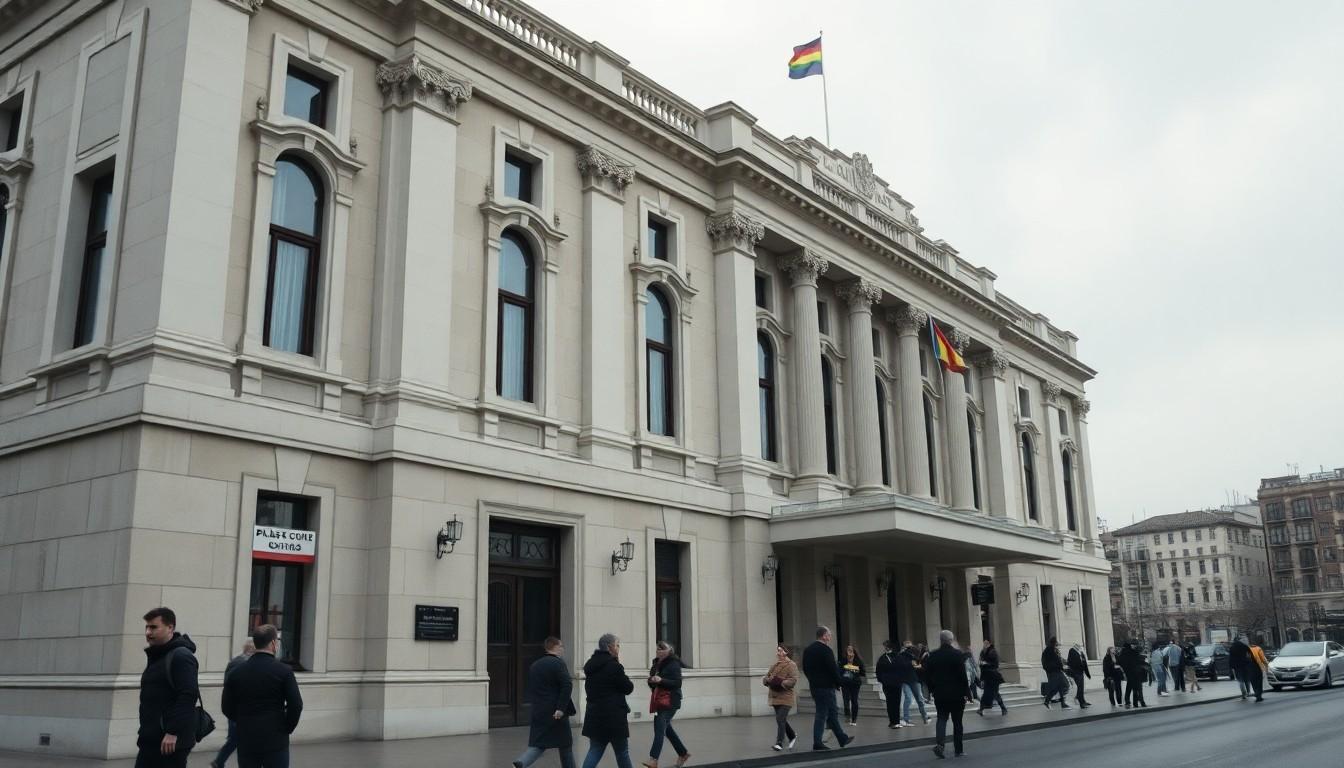
Turkish authorities are examining six Istanbul LGBT organisations in a probe covering alleged financial, administrative and criminal offences. Reports cite millions of lira in overseas support and missing paperwork, while rights groups and international observers warn that scrutiny of LGBT organisations is unfolding amid a wider crackdown on visibility and expression.
Essential Takeaways
- Six organisations investigated: The inquiry covers Lambda Istanbul, SPoD, HEVI, LISTAG, Pozitif Yasam and Pozitif Iz.
- Millions in overseas support: Official inspection records cited by Turkish media list more than 32 million Turkish lira in foreign assistance during 2025.
- Paperwork is central: Inspectors reportedly flagged incomplete membership records, missing financial documents and problems with official books.
- The wider climate is tense: Rights monitors have documented restrictions and proposed tougher penalties affecting LGBT people and groups.
- The figures need context: Reported funding totals and alleged breaches are not, by themselves, proof of criminal conduct.
What the Istanbul probe is examining
The investigation, led by Istanbul prosecutors, reportedly concerns allegations including forming an organisation for criminal purposes, obscenity and breaches of Turkey's Associations Law. Inspectors reviewed the six groups' constitutions, activities, accounts and statutory records, according to Turkish reporting.
That distinction matters. A regulatory inspection can identify administrative failings, but it doesn't automatically establish that an organisation committed a crime. Any criminal allegations would still need to be tested through Turkey's legal process, with the organisations given a chance to respond.
The investigation also arrives at a politically charged moment. Associated Press reporting has described growing pressure on LGBT rights and public expression in Turkey, making even a financial audit part of a much bigger national conversation. [2]
Foreign funding becomes the headline figure
The most eye-catching number is the reported 32.1 million lira in overseas assistance recorded across the six organisations during 2025. SPoD reportedly accounted for the largest share, followed by HEVI and Pozitif Yasam, while smaller sums were attributed to Lambda Istanbul.
The reports also refer to support from European institutions, diplomatic missions, United Nations bodies, charities and private-sector organisations. LISTAG's records, for example, were said to include payments linked to the European Endowment for Democracy, the Dutch foreign ministry, German diplomatic representatives and Sweden's consulate.
But raw totals can look more dramatic than they really are. Exchange rates, multi-year grants, restricted project funding and one-off payments can all change how a charity's finances should be understood. The useful question isn't simply who received money, but what it was intended to fund and whether it was properly recorded. [6]
Missing documents and duplicated books draw scrutiny
According to the inspection findings reported in Turkey, some of the most serious concerns relate to bookkeeping rather than the existence of overseas grants. Pozitif Iz was reportedly unable to provide several years of financial ledgers and expense receipts, while inspectors also noted shortcomings in membership details and income documentation.
Lambda Istanbul was said to have problems with its correspondence register, including a disputed lost book that later appeared alongside a replacement. Inspectors also reportedly questioned whether an unlicensed local or cultural centre was operating from the organisation's premises.
Other findings were more technical, including incomplete membership dates, pasted pages in decision books and signatures appearing only on final pages. These details may sound dry, but for associations they can become costly: Turkish law requires formal records to be kept in a particular way, and failures can lead to administrative penalties or court referrals. [6]
The investigation sits within a broader crackdown
The case doesn't exist in isolation. A 2025 report on Istanbul's LGBT and trans Pride Week documented restrictions, police intervention and pressure on public events, according to Agos and Medyascope. Those reports portray a shrinking space for marches, community gatherings and public advocacy.
Human Rights Watch has also warned that proposed legislation could expose LGBT people to prison sentences and widen restrictions on expression and association. The Urania Institute separately reported that Turkish authorities blocked or restricted LGBT-related accounts, adding a digital dimension to the pressure.
Taken together, these developments help explain why community groups and international rights organisations are likely to view the Istanbul investigation with suspicion. Authorities may describe it as an ordinary compliance and criminal inquiry, while critics see it as part of a pattern targeting LGBT visibility. Both the legal claims and the wider political context deserve careful scrutiny. [3]
What readers should watch next
The next important developments will be procedural: whether prosecutors bring formal charges, whether the organisations publish responses, and whether courts uphold any proposed fines or referrals. Until then, reported inspection findings should be treated as allegations and administrative observations, not final judgments.
For anyone trying to make sense of the story, three points are worth keeping in mind. First, foreign funding isn't inherently unlawful. Secondly, incomplete paperwork can be a genuine governance problem without proving a wider criminal conspiracy. And thirdly, the surrounding rights climate shapes how every official action is interpreted.
The case could therefore become a test of more than six organisations' accounting practices. It may also show how much room remains in Turkey for LGBT groups to organise, receive support and operate openly.
It's a developing legal story with consequences far beyond a set of missing documents.
Source Reference Map
Story idea inspired by: [1]
Sources by paragraph:
- Paragraph 1: [2], [5]
- Paragraph 2: [6], [2]
- Paragraph 3: [4], [7]
- Paragraph 4: [6], [3]
- Paragraph 5: [6], [2]
- Paragraph 6: [4], [7]
- Paragraph 7: [5], [3]
- Paragraph 8: [2], [5]
- Paragraph 9: [6], [5]
- Paragraph 10: [3], [4]
- Paragraph 11: [2], [6]
- Paragraph 12: [5], [3]
- Paragraph 13: [4], [7]
- Paragraph 14: [2], [5]
- Paragraph 15: [3], [6]