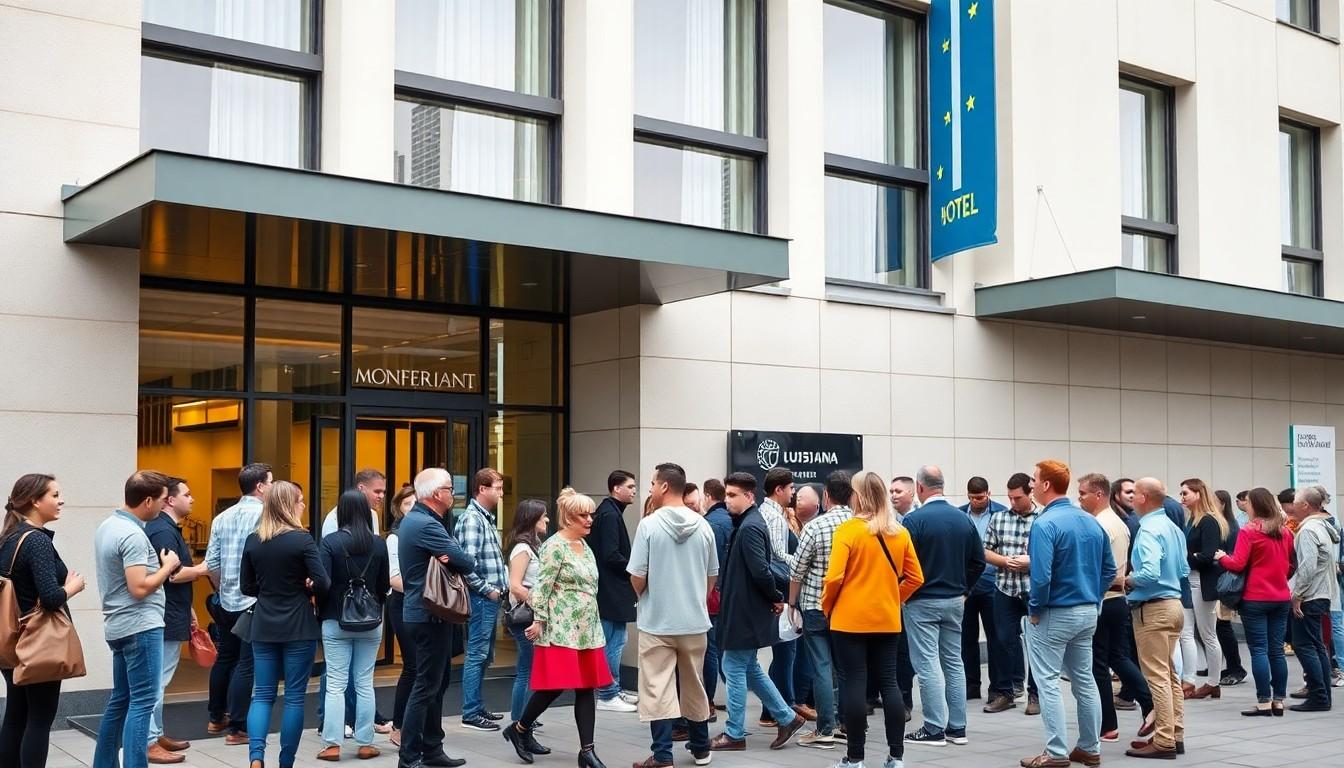
Irish campaigners have joined roughly 200 trans activists in Ljubljana for a major European and Central Asian gathering focused on resisting political backlash, sharing practical strategies and strengthening cross-border solidarity. The council matters because campaigns increasingly connect trans rights with wider questions about democracy, asylum, digital safety and equal treatment.
Essential Takeaways
- A major regional gathering: Around 200 activists met in Ljubljana for the TGEU European and Central Asian Trans Council.
- Ireland was represented: TENI campaigners brought Irish research, policy experience and organising links to the event.
- The focus was broad: Sessions covered anti-trans legislation, asylum, strategic litigation, online hate and emerging technologies.
- Resistance and celebration: The council’s theme paired political action with community resilience and joy.
- Cross-border organising matters: Activists used the meeting to build alliances and share tactics across Europe and Central Asia.
Irish campaigners take their place at a crucial gathering
The strongest message from Ljubljana was simple: trans rights groups don't want to face a worsening political climate alone. Around 200 activists met at the TGEU European and Central Asian Trans Council, creating a lively space for discussion, organising and the kind of solidarity that's difficult to build online.
According to TGEU, the council brings together activists from across Europe and Central Asia to examine political developments and develop shared advocacy plans. Its regional reach gives campaigners a chance to compare experiences, rather than treating each country's challenges as isolated problems.
Ireland was represented by TENI Research and Policy Manager Luna Liboni and former TENI chairperson Sara Phillips. Their participation gave Irish organisers an opportunity to exchange ideas with colleagues working in very different political and social settings.
Why the council's theme feels so relevant
The 2026 theme, "Transphoria: collectively resist and celebrate again and again", deliberately holds two ideas together. Activists are confronting hostile legislation and public debate, but they're also protecting the friendships, culture and everyday joy that keep communities going.
TGEU Chair Isa Nico Borrelli described the theme as a link between resistance and celebration. That balance feels important: a movement built only around crisis can become exhausted, while celebration without political action risks overlooking the pressures people are facing.
TGEU's wider work focuses on advancing the rights and wellbeing of trans people across Europe and Central Asia. The organisation's regional network means local campaigners can connect with a broader movement, sharing knowledge while still responding to conditions at home.
Anti-trans politics is increasingly a wider democratic issue
One central council session examined how to respond to anti-trans legislation and policy. Speakers included representatives from the Council of Europe's SOGIESC Unit and the European Commission's Directorate-General for Justice and Consumers, highlighting the role of European institutions alongside grassroots activism.
Another discussion looked at trans people in Montenegro, Ukraine, Türkiye and Slovenia, framing trans rights within the wider struggle for democracy and European integration. That approach reflects a growing concern among campaigners that attacks on minorities can weaken civil society and democratic safeguards more broadly.
TGEU Executive Director Juliane Rosin said political forces targeting trans people are also challenging the rights of other marginalised groups and democratic institutions. In practical terms, that means advocacy can't stop at one law or one election; it has to defend the principle that everyone should be able to live safely and with dignity.
From asylum to online hate, the agenda goes far beyond legislation
The council also considered strategic litigation before European and international courts, along with the implementation of the Common European Asylum System. For trans asylum seekers and refugees, legal protection on paper may be only the beginning, particularly when access to safe accommodation, healthcare and fair procedures varies widely.
Digital rights formed another important part of the programme. Online abuse, coordinated hate and emerging technologies are changing how trans people experience public life, so campaigners increasingly need both legal strategies and digital safety tools.
TGEU's member network supports organisations working on these overlapping issues. That matters because a person may face discrimination in several places at once, from an asylum system or healthcare service to a social media platform, rather than encountering one neatly defined problem.
What Ireland gains from international solidarity
For TENI, the Ljubljana meeting offered more than visibility. Executive Director Daire Dempsey said the council helps activists connect, compare methods, build friendships and develop shared approaches during a difficult period.
Those relationships can have a practical payoff when campaigners return home. A successful legal argument, public education project or community-support model from another country may not transfer perfectly, but it can provide a useful starting point and save organisers from reinventing the wheel.
The outlook remains challenging, but the gathering also offered a reminder that political pressure isn't the only story. Across the region, activists are still meeting, planning and making room for joy. As one organiser's message suggested, staying connected is itself a form of strength.
The fight is regional, but solidarity makes it feel less lonely.
Source Reference Map
Story idea inspired by: [1]
Sources by paragraph:
- Paragraph 1: [2], [3]
- Paragraph 2: [3], [4]
- Paragraph 3: [1], [5]
- Paragraph 4: [2], [3]
- Paragraph 5: [3], [4]
- Paragraph 6: [2], [3]
- Paragraph 7: [2], [4]
- Paragraph 8: [2], [3]
- Paragraph 9: [3], [5]
- Paragraph 10: [3], [4]
- Paragraph 11: [2], [3]
- Paragraph 12: [3], [5]
- Paragraph 13: [2], [3]
- Paragraph 14: [1], [5]
- Paragraph 15: [1], [3]
- Paragraph 16: [2], [4]