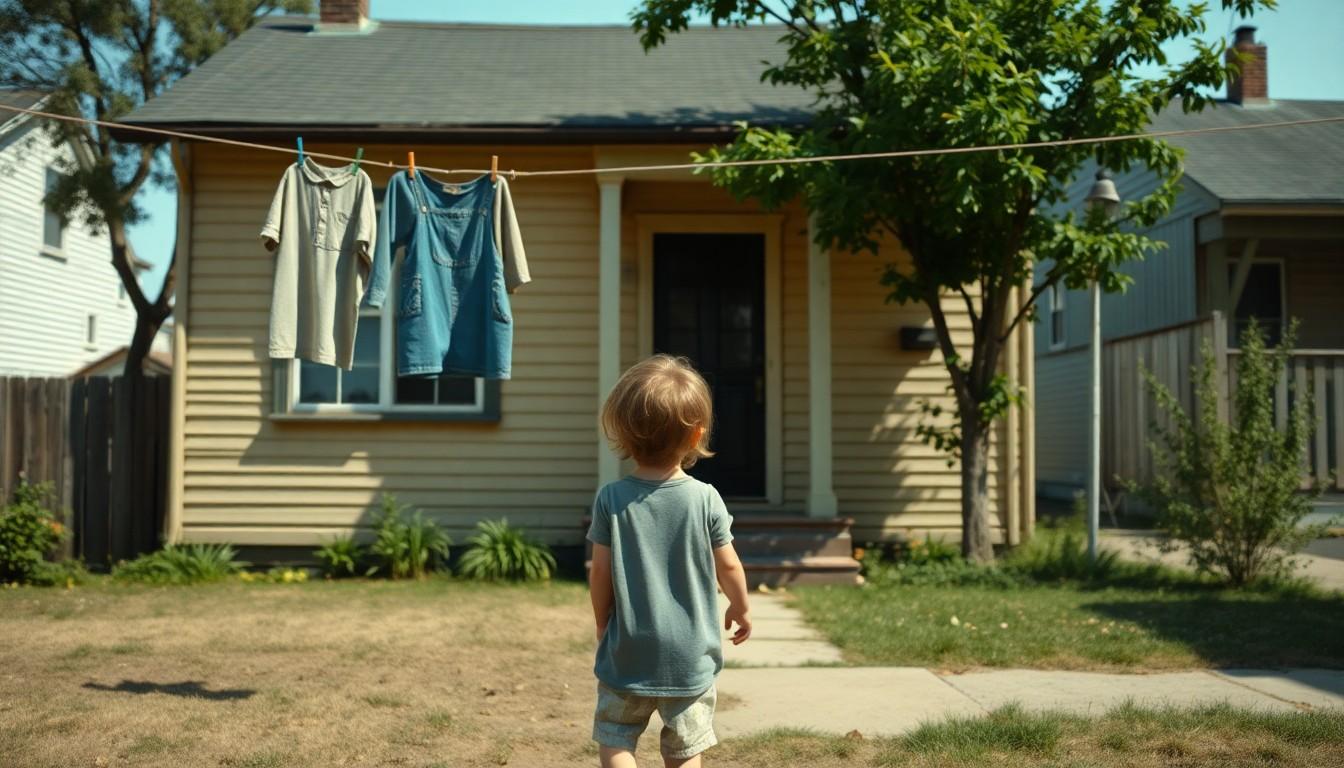
People often describe gender as if it arrives fully formed, but childhood can feel far messier. One woman’s memories of clothes, hair, playground discomfort and lesbian friendship show how identity and gender expression develop through family expectations, social reactions and personal choice, while research adds useful context without reducing anyone’s story to a tidy formula.
Childhood rarely fits a neat gender script
A child can know they’re a girl without enjoying the things adults associate with girls. They can also want dresses, long hair or attention while feeling entirely uninterested in behaving in a conventionally feminine way. That apparent contradiction is less a puzzle than a reminder that identity and expression are separate strands.
Developmental research has long treated gender as something shaped through biology, relationships and social learning rather than a single childhood moment. The National Academies’ overview of gender development describes how children build an understanding of themselves alongside messages from family, peers and culture. In ordinary life, that can mean a haircut or a pair of shoes carries far more emotional weight than an adult might expect.
The result is often wonderfully untidy. A child may reject one stereotype and embrace another, then change direction again.
Clothes can become surprisingly powerful symbols
The remembered denim overalls are funny and painful at once. They represented pride, novelty and a sense of looking right, but a burst of playground bad luck turned them into a bloodstained reminder that new clothes can feel almost precious when they’re rare.
Family choices matter here, even when they’re made casually. Research on gender development and expression suggests that children receive repeated signals about what is suitable, attractive or expected, from the clothes they’re given to the activities they’re encouraged to try. Those signals don’t determine identity, but they can shape what feels available.
That’s why the difference between wearing a sister’s hand-me-downs and receiving the item a child has specifically asked for can feel enormous. It isn’t simply about fabric. It’s about recognition.
Hair carries its own social meaning
Hair is one of the clearest ways children and teenagers test how the world sees them. A cut can feel imposed, while growing it out can become a small act of control. Later, cutting it short may feel liberating, even if other people immediately attach a label to the look.
Studies of gender expression in adolescence and young adulthood show how appearance can become a way to communicate belonging, difference or changing self-understanding. Hair is especially potent because it’s visible, reversible and constantly commented on. A friend’s remark can therefore land as more than teasing: it can expose the assumptions attached to lesbian identity and presentation.
The awkward bit is that attention isn’t always unwelcome, either. Enjoying being noticed doesn’t make someone less feminist, less queer or less self-aware. People can understand the power dynamics and still enjoy feeling attractive.
Social reactions can teach children what feels safe
The childhood party story reveals another layer. The distress came not only from the prank, but from being laughed at for reacting honestly. When adults or children treat fear as entertainment, they teach a child that their own interpretation of events may be unsafe to share.
Research on childhood experiences and gender identity has explored how relationships, modelling and social feedback influence the ways people understand and express themselves. That doesn’t mean every difficult moment creates a later identity, nor that a single memory explains a person. It does mean that belonging, embarrassment and repeated correction can affect how freely someone experiments with presentation.
A kinder response would have been simple: explain the joke, apologise for the fright and move on. Children don’t need every experience made serious, but they do need their feelings taken seriously.
Identity is personal, while expression stays flexible
The most useful lesson is that gender expression shouldn’t be treated as a diagnostic test. Short hair doesn’t prove someone is masculine. Long hair doesn’t prove someone is feminine. Climbing trees, wearing patent shoes or refusing a party game tells us something about preference, not a complete story about identity.
Contemporary research on gender development, including work with transgender and gender-diverse young people, points towards a gradual, individual process. Milestones can vary widely, and people may understand themselves in stages, especially as new communities and language become available.
That’s why childhood memories matter without needing to become evidence in a courtroom. They help explain the texture of a life: the clothes that felt special, the haircut that felt wrong, the friends who made a new version of the self possible. Sometimes identity is less like discovering a hidden label and more like finally finding a setting that lets you breathe.
It’s worth leaving children room to be complicated, changeable and entirely themselves.
Source Reference Map
Story idea inspired by: [1]
Sources by paragraph:
- Paragraph 1: [2], [4]
- Paragraph 2: [2], [5]
- Paragraph 3: [3], [4]
- Paragraph 4: [5], [6]
- Paragraph 5: [4], [7]
- Paragraph 6: [3], [7]
- Paragraph 7: [2], [5]
- Paragraph 8: [6], [7]
- Paragraph 9: [2], [3]
- Paragraph 10: [4], [5]
- Paragraph 11: [3], [7]
- Paragraph 12: [2], [4]
- Paragraph 13: [5], [6]
- Paragraph 14: [3], [7]
- Paragraph 15: [2], [5]
- Paragraph 16: [4], [6]