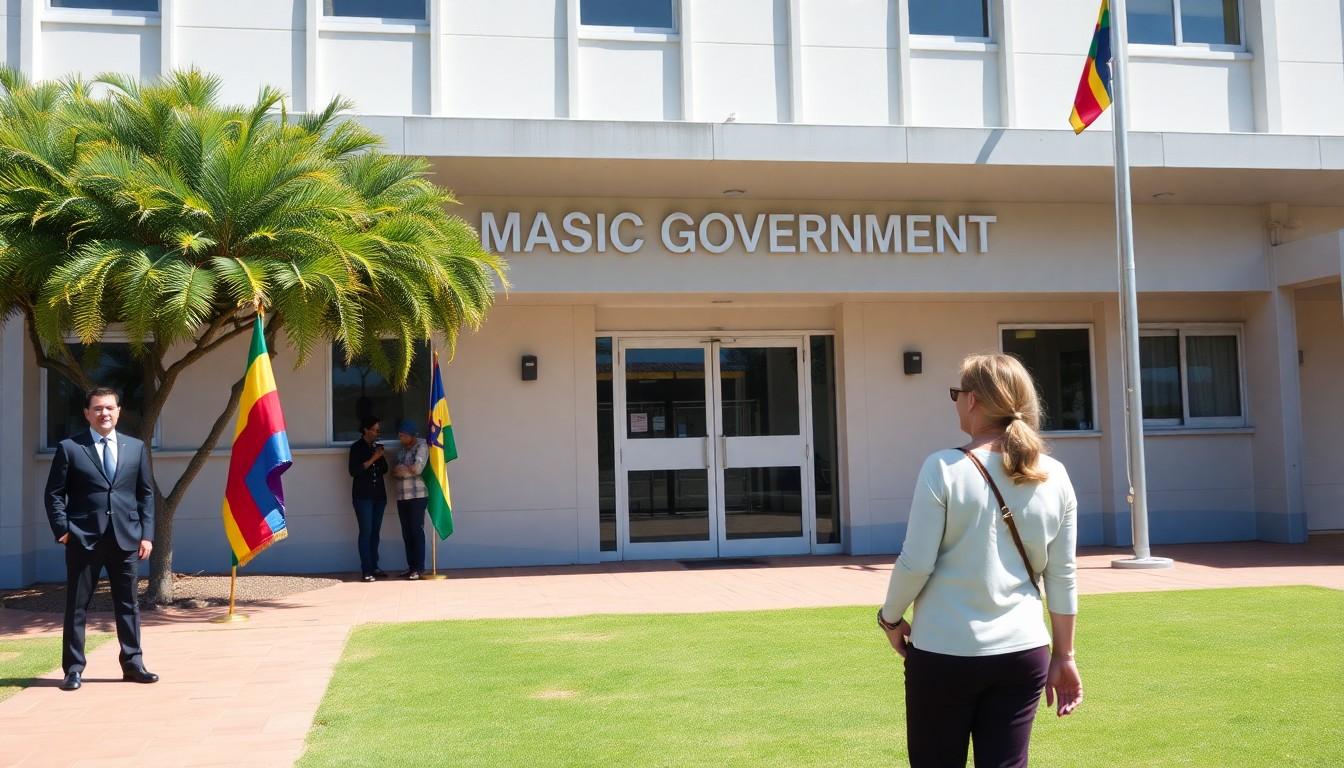
Namibia's LGBTQIA+ community is facing a painful safety crisis, with reported killings, attacks and online abuse intensifying calls for stronger institutional protection. Activists and rights groups say legal reform, responsible political language and practical safety support are urgently needed, especially for transgender people and young queer Namibians living with daily fear.
The warning is impossible to ignore
The latest appeal from Maria Del Rosario Hamutenya-Jeremia is both personal and political. Writing from abroad, the former Mr Gay Namibia describes a country where queer people are increasingly exposed to violence, hostility and indifference.
Her intervention follows reports of severe attacks, including the killing of Christof "Sexy" Frederik and the assault of Brian Araeb in the Walvis Bay dunes. The details are harrowing, but the wider message is even more alarming: identity-based violence isn't an isolated concern when several cases appear to form part of a broader pattern.
MambaOnline has also reported rising deadly hate crimes targeting Namibia's LGBTQIA+ community. For people already navigating discrimination, that creates a chilling calculation every time they travel, meet someone new or simply live openly.
Online hate can spill into real-world danger
Digital abuse is often dismissed as unpleasant noise, yet targeted posts can normalise threats and encourage harassment offline. The Namibian has reported concerns about online hate speech aimed at the LGBTQIA+ community, highlighting how quickly public hostility can become personal intimidation.
Political and religious rhetoric matters here. When public figures describe queer people as dangerous, immoral or less deserving of protection, it doesn't stay neatly inside a speech or social-media post. It can shape how institutions respond, how witnesses react and how perpetrators justify cruelty.
That doesn't mean every offensive comment directly causes a physical attack. It does mean leaders have a responsibility to avoid language that strips fellow citizens of dignity. As Namibia's National Assembly speaker Theo-Ben Gurirab? No, according to reporting by The Namibian, Speaker Peter Katjavivi has cautioned MPs over LGBTQI+ hate speech, a reminder that public debate carries real consequences.
Why hate crime legislation matters
Namibia's existing legal framework has been criticised for failing to define hate speech clearly as a specific offence. The Ombudsman has reportedly pointed to that gap, making it harder to establish consistent consequences when prejudice fuels threats or violence.
Amnesty International has called on Namibia to protect LGBTI people amid the country's high-profile sodomy-law verdict. Its position reflects a wider point: court decisions may change legal interpretation, but they don't automatically make streets, homes or workplaces safer.
Dedicated hate crime legislation could help prosecutors identify bias linked to sexual orientation or gender identity and treat it as an aggravating factor. It could also improve data collection, which is essential when communities say violence is being under-recorded or poorly understood.
What can queer people do while institutions catch up?
No one should have to organise daily life around the possibility of attack. Still, practical precautions can reduce immediate risk. Meeting unfamiliar people in public places, sharing plans with trusted friends, travelling in groups where possible and keeping emergency contacts close are sensible steps, particularly for those who feel targeted.
Digital safety deserves attention too. Tighten privacy settings, avoid sharing live locations publicly and keep screenshots of threats before blocking abusive accounts. If danger feels immediate, contact local emergency services or a trusted support organisation rather than confronting the person alone.
These measures aren't a substitute for justice. They place the burden on victims, which is profoundly unfair, but they may offer a little control in an uncertain environment. As Hamutenya-Jeremia's appeal makes clear, dignity and caution can exist together.
Namibia's next test is institutional courage
The country now faces a choice between treating these incidents as disconnected tragedies and confronting the possibility of a sustained hate-driven crisis. Amnesty, local reporting and civil-society voices have all pointed towards the need for stronger protection, clearer laws and more responsible leadership.
That work should include credible investigations, support for survivors, public condemnation of anti-LGBTQIA+ violence and training for police and justice officials. It should also give queer Namibians a meaningful voice in shaping the policies meant to protect them.
A constitutional promise of dignity only matters if people can feel it in everyday life. Until then, the demand is simple but urgent: queer Namibians must be able to live openly without fearing that their identity makes them a target.
Small safety steps may help today, but lasting protection requires action from the institutions meant to serve everyone.
Source Reference Map
Story idea inspired by: [1]
Sources by paragraph:
- Paragraph 1: [2], [4]
- Paragraph 2: [2], [5]
- Paragraph 3: [3], [6]
- Paragraph 4: [7], [6]
- Paragraph 5: [4], [7]
- Paragraph 6: [2], [4]
- Paragraph 7: [3], [6]
- Paragraph 8: [2], [7]
- Paragraph 9: [3], [4]
- Paragraph 10: [4], [7]
- Paragraph 11: [2], [5]
- Paragraph 12: [3], [6]
- Paragraph 13: [4], [5]
- Paragraph 14: [2], [4]
- Paragraph 15: [3], [7]
- Paragraph 16: [4], [6]
- Paragraph 17: [2], [5]