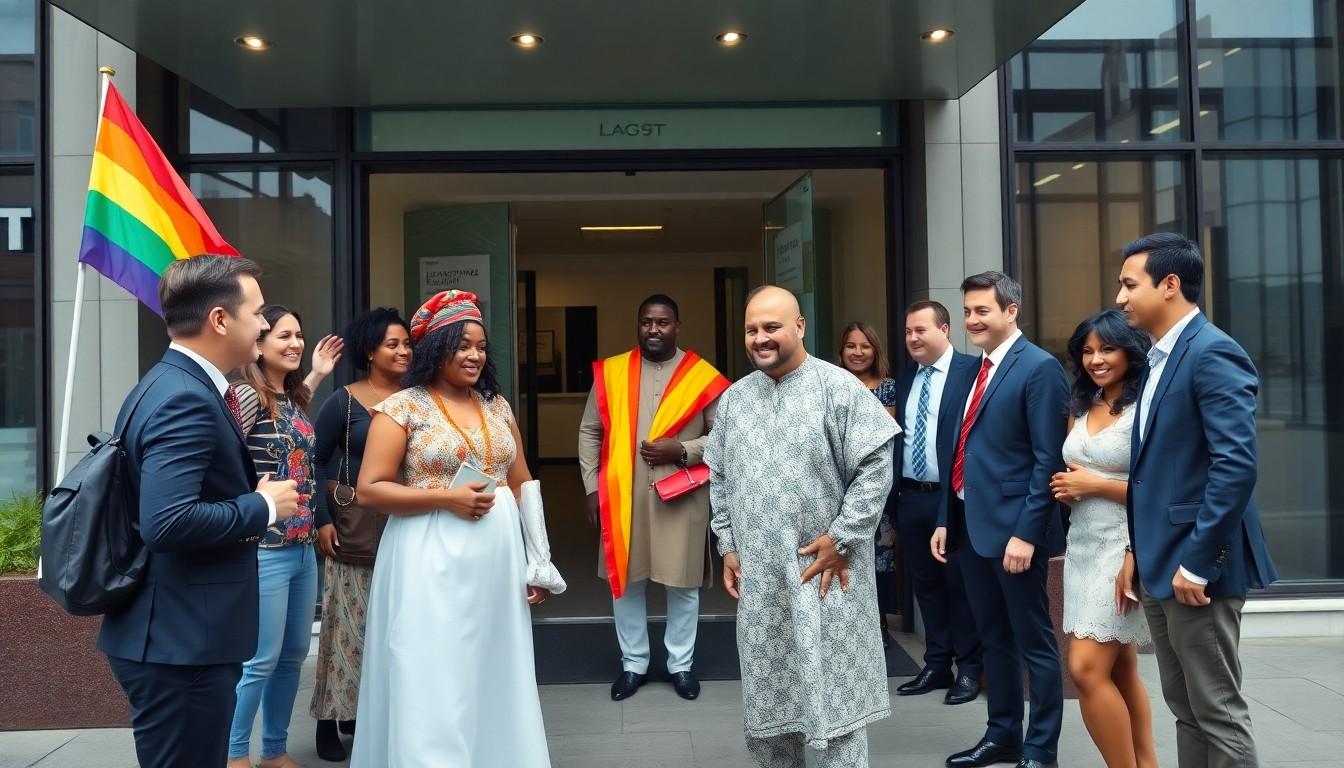
A UK-based gay Igbo man has spoken openly about embracing both his sexuality and heritage, saying Pride gives LGBTQ+ people space to express themselves, claim visibility and show they are here to stay. His comments have prompted wider discussion about culture, migration and the courage it can take to live openly.
Essential Takeaways
- Pride and visibility: He describes Pride as a way to express himself and remind others that LGBTQ+ people exist.
- Cultural identity: His Igbo heritage remains central to how he understands and presents himself.
- No apology: He says he has no regrets about being openly gay and Igbo.
- Wider conversation: His comments have revived debate about migration, identity and LGBTQ+ life in Nigerian communities.
- Online reaction: Responses have ranged from support to openly hostile and prejudiced remarks.
Pride becomes a statement of visibility
The strongest message in the man's remarks is simple: being visible matters. Speaking about Pride, he said it gives him an opportunity to be himself, while also showing others that LGBTQ+ people are present and deserve recognition.
That may sound straightforward, but public visibility can carry real weight for people navigating cultural, religious or family expectations. As National Geographic has documented through portraits of queer Nigerian artists, creative self-expression can become a powerful way to make identity visible when conventional spaces feel restrictive. [3]
His confidence also pushes back against the idea that people must choose between cultural heritage and sexuality. For him, being Igbo and gay isn't a contradiction, and Pride offers a public setting where both parts of his identity can sit side by side.
"I am Igbo and gay" is the point
The phrase has resonated because it refuses to soften either identity. Rather than treating sexuality as something separate from heritage, he presents both as ordinary, connected parts of his life.
That approach echoes a wider pattern among LGBTQ+ Africans who use music, interviews and personal storytelling to challenge narrow ideas of masculinity. Attitude has previously profiled an out gay rapper in the UK, highlighting how unusual and exposing it can feel to be open in an industry where performers may still face pressure to conform. [6]
There is a quiet strength in refusing to edit yourself for other people's comfort. It doesn't mean every conversation becomes easy, but it does mean the person at its centre gets to define their own story.
The online response reveals a deeper divide
The reaction to his comments has been sharply mixed. Some responses were supportive, while others relied on insults, religious condemnation and the familiar claim that homosexuality is imported or caused by moving abroad.
That argument is not new. A related report about a Nigerian man rejecting the idea that relocation "made" him gay shows how migration is often used to explain away identities that families or communities find difficult to accept. [2] Another case involving the son of a prominent anti-gay Nigerian politician similarly demonstrated how quickly a public coming-out story can trigger intense online debate. [7]
These reactions say as much about social anxiety as they do about the individual involved. They also underline why visibility can be both empowering and risky, particularly when social media turns a personal statement into a public battleground.
Culture, migration and LGBTQ+ identity overlap
For many people in the diaspora, moving countries doesn't erase the culture they grew up with. Instead, it can create a more complicated mix of belonging, distance and self-discovery.
The man’s comments sit within that tension. The UK may offer greater space for public LGBTQ+ expression than many people experience elsewhere, but being open still doesn't guarantee acceptance from family, community or online audiences. As the stories of queer African artists and performers suggest, identity is often negotiated in public while still carrying private emotional costs. [3], [6]
It’s also worth resisting the idea that African heritage and LGBTQ+ identity are automatically opposed. Queer Africans have always existed, even when language, law or social pressure made open discussion difficult. What has changed is that more people now have platforms from which to speak in their own voices.
Why this conversation matters beyond one post
The statement has travelled because it is personal, direct and difficult to misinterpret. It isn't a request for permission. It is a declaration that cultural pride and sexual identity can coexist without apology.
That matters in a media environment where LGBTQ+ African stories are often framed through controversy rather than ordinary life. Podcasts and long-form conversations, including platforms focused on identity and culture, have helped broaden that picture by giving people room to explain themselves beyond a single headline or viral post. [5]
The response won't be comfortable for everyone, but comfort has never been the only measure of a meaningful conversation. Sometimes visibility begins with one person deciding that being fully seen is worth the risk.
It's a small sentence with a sizeable message: identity doesn't need anyone else's permission.
Source Reference Map
Story idea inspired by: [1]
Sources by paragraph: