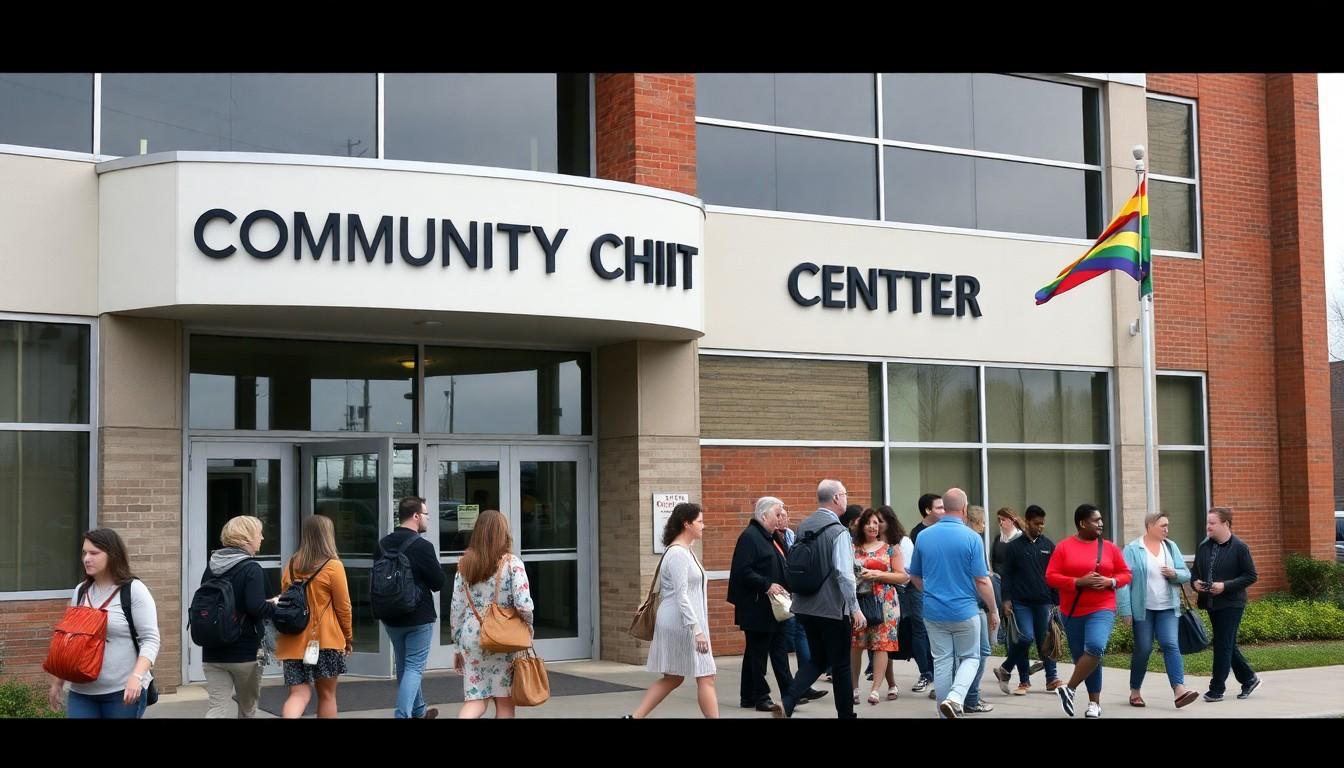
New research suggests Ohio has around 883,000 LGBTQ+ adults, a striking rise from earlier estimates. The figures matter because they offer a clearer picture of who lives, works and votes across the state, while highlighting the challenges of measuring identity accurately in a changing political climate.
Essential Takeaways
- Ohio estimate: Around 11.29% of Ohio adults identify as LGBTQ+, according to the latest analysis.
- National picture: The estimate puts the US LGBTQ+ adult population at roughly 12%, or 25.6 million people.
- Why the jump: Online self-reporting and a larger, newer dataset may capture people missed by older telephone surveys.
- Not a sudden migration: The higher figure doesn't mean hundreds of thousands of people recently moved or came out.
- Young adult influence: More than half of LGBTQ+ adults nationally are aged 18 to 34, giving the community growing political and economic weight.
Ohio's LGBTQ+ population may be far larger than expected
The headline figure is hard to miss. New estimates suggest that roughly one in nine Ohio adults is LGBTQ+, equivalent to about 883,000 people. That's a substantial community presence, not a small demographic footnote.
The Human Rights Campaign Foundation reached the estimate using responses from the US Census Bureau's Household Pulse Survey collected between 2021 and 2024. According to HRC research materials, the analysis combined responses from around 2.4 million people, creating a broad base for state and national comparisons.
That scale matters. When a survey reaches millions rather than a few thousand respondents, the resulting picture can feel less like a rough sketch and more like a detailed map.
Why the new number is higher than older research
Earlier work from the Williams Institute estimated Ohio's LGBTQ+ adult population at about 557,600, or 6.2% of residents. The difference is dramatic, but it shouldn't be read as evidence that 325,000 people suddenly appeared.
The two studies used different periods and methods. Williams relied on older telephone survey data, while the HRC analysis used more recent online responses. People can be less willing to disclose a personal identity during a phone call, particularly when the question arrives unexpectedly or privacy is uncertain.
HRC's population estimates explain that survey design can strongly affect the result. In other words, the change may tell us as much about how researchers ask questions as it does about how people identify.
Online surveys offer a different window into identity
Self-reporting online can make a difference because respondents may feel more comfortable answering sensitive questions privately. That doesn't make one method automatically perfect, but it can help include people who might avoid disclosing their identity in a live conversation.
The national estimate is similarly striking. HRC puts the proportion of LGBTQ+ adults across the US at 12%, or approximately 25.6 million people. LGBTQ Nation and The Advocate have also highlighted the scale of the revised estimate, describing it as among the highest national figures reported so far.
Still, the number needs careful handling. Estimates aren't a headcount, and changing survey methods can create apparent jumps even when the underlying population has shifted more gradually.
A younger population brings long-term influence
The age profile adds another layer to the story. HRC's research indicates that 53.8% of LGBTQ+ adults nationwide are between 18 and 34. That puts a large share of the community at an age when people are entering the workforce, forming households, spending more independently and becoming regular voters.
For businesses, employers and political campaigns, the implication is fairly simple. Treating LGBTQ+ people as a niche audience risks overlooking millions of customers, workers and constituents. As Axios has reported in coverage of Ohio's LGBTQ+ population, the community is already part of the state's social and civic fabric.
There is also a human side to the statistics. A percentage point can look dry on a page, but behind it are neighbours, colleagues, relatives and friends whose lives are often shaped by whether institutions recognise them accurately.
Data collection could become harder
The research arrives at an awkward moment for future measurement. LGBTQ+ Nation and other outlets have reported concerns about reductions in federal opportunities to collect information on sexual orientation and gender identity.
That could make it harder to track changes over time, identify gaps in services or understand which communities need support. Without consistent data, policymakers and organisations may be forced to rely on older surveys or smaller studies, making local planning less precise.
For now, the clearest lesson is that population estimates depend heavily on who gets asked, how they're asked and whether they feel safe answering. Ohio's LGBTQ+ community was already substantial; the latest research suggests it may have been substantially undercounted.
Better data won't solve every problem, but it can make an overlooked community much harder to ignore.
Explore the figures with care, and remember that every estimate represents real people.
Source Reference Map
Story idea inspired by: [1]
Sources by paragraph:
- Paragraph 1: [2], [3]
- Paragraph 2: [2], [3]
- Paragraph 3: [4], [7]
- Paragraph 4: [2], [4]
- Paragraph 5: [3], [6]
- Paragraph 6: [3], [5]
- Paragraph 7: [2], [3]
- Paragraph 8: [2], [6]
- Paragraph 9: [7]
- Paragraph 10: [5], [6]
- Paragraph 11: [2], [5]
- Paragraph 12: [2], [6]
- Paragraph 13: [2], [3]
- Paragraph 14: [4], [7]
- Paragraph 15: [5], [6]
- Paragraph 16: [2], [3]
- Paragraph 17: [2], [4]