Music fans are getting an early LGBTQ History Month soundtrack, from Allen Ginsberg’s landmark poetry on green-blend vinyl to dreamy electronic pop, folk-punk and queer indie rock. With new records from Miss Grit, Pigeon Pit and Zzzahara, plus San Francisco shows by of Montreal and Zzzahara, there’s plenty to hear, feel and dance to.
Essential Takeaways
- A landmark returns: Allen Ginsberg’s Howl and Other Poems is being reissued on limited-edition eco-friendly green-blend vinyl.
- Dance meets dream-pop: Miss Grit’s Under My Umbrella pairs sharp electronic beats with an airy, immersive mood.
- Folk-punk stays urgent: Pigeon Pit’s Leash Aggression delivers breathless vocals and sharply observed lyrics.
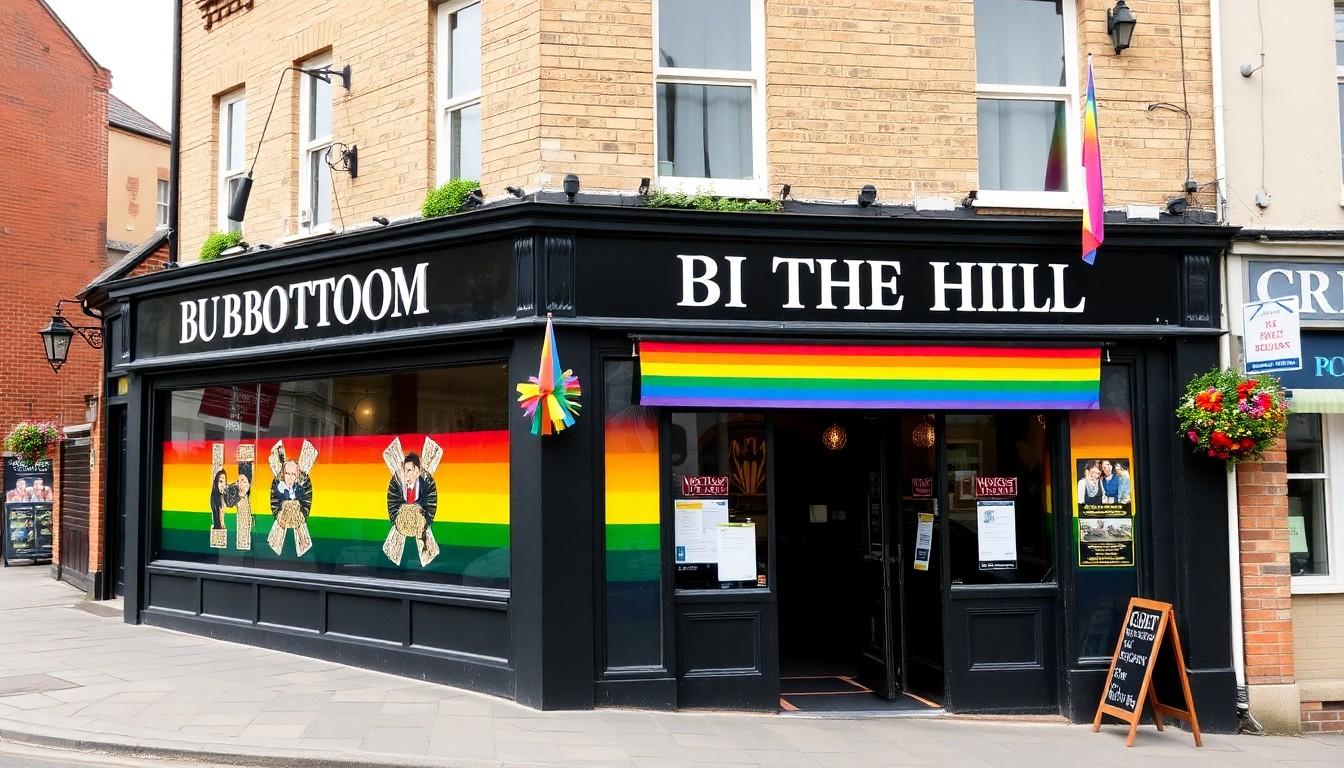
- Three live dates stand out: of Montreal plays Bottom of the Hill on 1 October, followed by Zzzahara on 6 October.
- The common thread: Each release turns queer experience, identity or influence into something vivid and distinctly personal.
Allen Ginsberg’s voice still hits with startling force
Some records feel like historical documents. Others feel as if they’ve just arrived from a noisy, crowded room. Ginsberg’s Howl and Other Poems manages both, preserving the poet’s unmistakable delivery while bringing a major work of LGBTQ literary history to a new audience.
The reissue includes Ginsberg reading Howl, Sunflower and Kaddish, alongside A Supermarket in California, America and Europe, Europe. According to Grateful Web, the release is pressed on a limited-edition green-blend vinyl, making it an especially appealing object for collectors as well as listeners. [2]
What makes it compelling isn’t just the poetry’s reputation. It’s the sound of Ginsberg performing his own words: urgent, unruly and intimate, with every pause carrying weight. For newcomers, it’s a direct route into the work; for longtime fans, it’s a chance to hear a familiar voice in a beautifully refreshed format.
Miss Grit makes electronic music feel wonderfully alive
Miss Grit’s Under My Umbrella takes a different route, but it shares Ginsberg’s sense of movement. The album shifts between propulsive dance music and soft-focus atmosphere, creating the feeling of a late-night club where the lights are low and the bass is doing most of the talking.
Tracks such as Tourist Mind and Mind Disaster establish the album’s energetic pulse, while Won’t Count on You and It Feels Like add emotional tension beneath the glitter. Miss Grit’s official site presents the project as a meeting point for electronic experimentation, performance and queer self-expression. [3]
It’s also a useful reminder that dance music doesn’t have to choose between immediacy and depth. You can move to these songs first and unpack them later, which is often the best way to meet a record like this.
Pigeon Pit keeps folk-punk rough-edged and human
Pigeon Pit’s Leash Aggression arrives with the kind of energy that sounds less polished than alive. Led by trans frontperson Lomes Oleander, the project brings a restless folk-punk attack to songs packed with social observation, private unease and flashes of dark humour.
The album includes Cherry, People on the Bus, Landlord Special, Thread the Needle and Rearview Mirror Blues. Its Bandcamp listing places the record firmly in the band’s continuing catalogue, where raw vocals and direct songwriting do much of the heavy lifting. [5]
Listeners who like Laura Jane Grace or Ezra Furman may find an easy way in, but Pigeon Pit has its own particular velocity. Oleander sounds as if each line is being pulled from the body at speed, giving the songs a scrappy emotional force that studio gloss would only weaken.
Of Montreal turns upheaval into colourful discovery
Of Montreal’s latest album, aethermead, carries the fingerprints of a band that’s been through change but hasn’t lost its appetite for invention. The record follows relocation and a break-up, yet it doesn’t sit still in melancholy. Instead, it uses psychedelic textures, theatrical arrangements and sudden shifts in tone to suggest recovery in progress.
The band’s official site confirms its continuing run of releases and live activity, while the album’s songs move between playful, reflective and abrasive territory. Take the Form brings a psychedelic strut, Listen to Music and Cry wears its contradiction openly, and When pushes towards more aggressive rock. [4]
Of Montreal’s history also matters here. Kevin Barnes’ evolving relationship with gender and identity has long informed how listeners understand the project, even when the songs resist easy interpretation. Catching the band at Bottom of the Hill on 1 October should offer plenty of colour, theatricality and gloriously unpredictable detours.
Zzzahara borrows widely, then makes the sound her own
Zzzahara’s Distant Lands is built from recognisable influences, but it never feels like a copy-and-paste exercise. The album draws on the jangly cool of The Drums, the hazy atmosphere of Cocteau Twins and the sharp melodic instincts associated with Liz Phair, then folds those references into something more personal.
Speed Racer and My Little Dove lean towards bright indie-pop, while She Doesn’t Want Me to Exist and Chinese Tobacco take a dreamier turn. The record’s Bandcamp page also highlights songs including Garden, Andy’s Got a Gun, Can Be Yours, featuring Winter, and Whispering Tree. [6]
That range makes Zzzahara’s 6 October appearance at Bottom of the Hill particularly tempting. If you like tracing a song’s influences but still want an artist with a clear voice of her own, this is the release to put on when the evening needs a little shimmer.
October’s LGBTQ music story is unusually broad: spoken-word history, electronic release, punk urgency and indie-pop atmosphere all sit side by side. It’s a reminder that queer music isn’t one sound or scene, but a wonderfully untidy conversation that keeps changing shape. [7]
Explore the records first, then pick the live night that feels most like yours.
Source Reference Map
Story idea inspired by: [1]
Sources by paragraph: