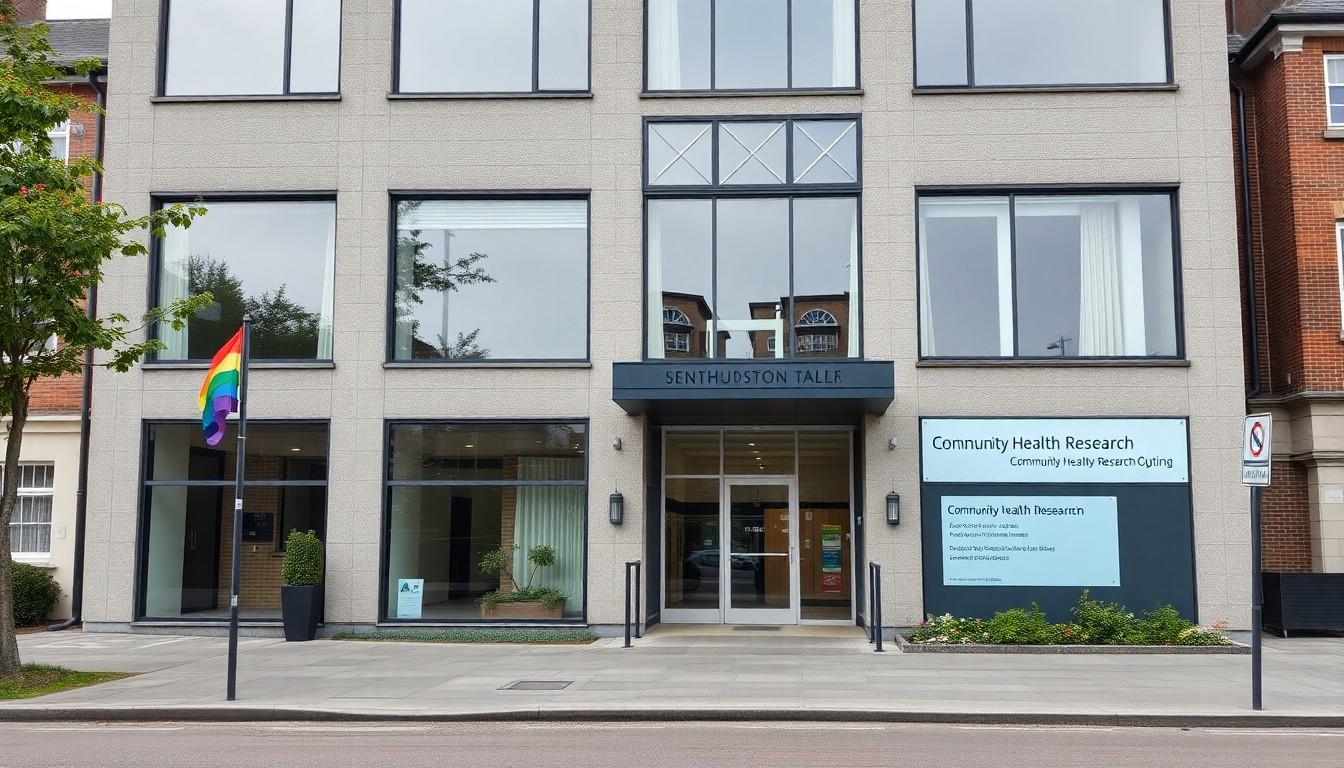
LGBTQIA+ people living in Scotland are being invited to share their experiences in new focus groups, helping researchers understand what national census data reveals, and what it leaves out. The project aims to include voices often missed in official statistics, with travel costs, accessibility support and a £30 gift card available to participants.
Essential takeaways
- Who can take part: LGBTQIA+ people living in Scotland, including trans, non-binary, disabled, racialised and older participants.
- Why it matters: The research will examine what Scotland's Census tells us about LGBTQIA+ communities, alongside the experiences behind the numbers.
- What participants receive: Reimbursed travel expenses, accessibility adjustments and a £30 retailer gift card.
- How to enquire: Contact Rebecca Hoffman by email at [email protected] or phone 07541 739 819.
Scotland's LGBTQIA+ communities are being asked to speak up
Numbers can show patterns, but they rarely capture the full texture of someone's life. That is the thinking behind a new call for LGBTQIA+ people across Scotland to join research focus groups run by LGBT Health and the Glasgow Centre for Population Health.
The project is designed to explore what census findings say about LGBTQ+ communities, while also asking a more searching question: who, and what, might still be missing? Research from the Glasgow Centre for Population Health has previously highlighted significant health inequalities affecting LGBTQ+ people, making first-hand testimony especially important.
Participants will be able to discuss the issues that shape their everyday lives, from access to services to wider experiences of health and wellbeing. It is a chance to put personal insight alongside official data, rather than allowing statistics to tell the whole story.
A deliberate focus on voices often overlooked
The organisers are particularly keen to hear from LGBTQIA+ people from racialised, Black and minority ethnic communities, disabled LGBTQIA+ people, trans and non-binary people, and those aged 50 and over. People from the wider LGBTQIA+ community are also encouraged to express an interest.
That broad invitation matters because LGBTQIA+ communities aren't a single, uniform group. Health needs can vary considerably depending on disability, age, ethnicity, gender identity, income and experiences of discrimination, as Scotland-focused health assessments have shown.
The approach also reflects the wider role of LGBT Health, which provides support and information around mental health and community wellbeing. Listening directly to people can help researchers identify gaps that broad population measures may smooth over.
What happens when lived experience meets census data?
Census information is valuable because it can reveal population-level trends. However, it can't easily explain why someone struggles to access care, feels excluded from a service or finds that their identity isn't represented in the questions being asked.
The Glasgow Centre for Population Health describes its work as focused on improving health and reducing inequalities through research and evidence. In that context, focus groups offer something different from a spreadsheet: conversation, detail and the small but telling moments that statistics often miss.
For participants, this isn't about having the perfect words or a formal research background. It's about describing what life is actually like. Sometimes the quietest observation can point to the biggest problem.
Practical support is available for participants
People who take part will have travel costs reimbursed, while adjustments can be arranged for accessibility-related needs. Each participant will also receive a £30 gift card for a retailer of their choice.
Those details are more than a footnote. Travel, access requirements and the cost of giving up time can all affect who gets heard in research, so practical support helps make participation more realistic for a wider range of people.
Anyone interested can contact Policy and Research Manager Rebecca Hoffman, who uses she/her pronouns. Enquiries can be made by email at [email protected] or by phone on 07541 739 819.
Why this research could shape future services
Scotland's LGBTQIA+ communities have varied experiences of healthcare, mental health support and community services. Work by local health partnerships and population-health researchers has continued to point towards inequalities that need a more detailed, inclusive response.
The value of this project will ultimately depend on how those experiences feed into future understanding and decisions. Still, inviting people to speak in their own words is a meaningful place to start.
If you've ever felt that official data didn't quite describe your reality, this is an opportunity to help make the picture clearer for others too.
A better count starts with better listening.
Source Reference Map
Story idea inspired by: [1]
Sources by paragraph:
- Paragraph 1: [2], [3]
- Paragraph 2: [6], [7]
- Paragraph 3: [4], [5]
- Paragraph 4: [3], [6]
- Paragraph 5: [2], [7]
- Paragraph 6: [4], [6]
- Paragraph 7: [1], [2]
- Paragraph 8: [1], [5]
- Paragraph 9: [3], [7]
- Paragraph 10: [6], [4]
- Paragraph 11: [1], [2]
- Paragraph 12: [1], [5]
- Paragraph 13: [3], [6]
- Paragraph 14: [2], [7]
- Paragraph 15: [1], [4]