Rights groups and local reporting point to a worrying rise in violence against Indonesia’s LGBTQ community, particularly trans women in Bogor. As officials, religious conservatives and self-appointed patrols frame LGBTQ people as a public threat, activists warn that hostile rhetoric is spilling into the streets, universities and local policy.
Essential takeaways
- Street attacks are escalating: Trans women in Bogor have reportedly faced beatings, humiliation and forced disrobing.
- The language is changing: LGBTQ people are increasingly described through national security and social-order arguments.
- Bogor is a flashpoint: Local patrols and calls for tighter controls have intensified pressure on the community.
- Legal protection remains fragile: Consensual same-sex relations aren't broadly illegal, but public morality rules can create serious risks.
- Activists warn against scapegoating: Economic frustration and political unrest can make minorities convenient targets.
Violence in Bogor has become a grim warning
The reported attacks in Bogor are shocking in their cruelty. Trans women were allegedly kicked, beaten, sprayed with urine and stripped by members of a vigilante group calling for a city free of LGBTQ people. The Jakarta Post reported public outrage after trans women were targeted by mob violence, while ABC News later described the attacks as following official language that labelled the community a threat.
This isn't simply a story about abusive individuals. Reports suggest the Bogor group has been linked to at least 10 incidents in recent months, creating a climate in which victims may fear both physical assault and the authorities' response. The detail that lingers is the sheer humiliation involved, a reminder that such violence is designed not only to injure but also to intimidate an entire community.
From religious hostility to a security narrative
Indonesia's LGBTQ community has faced hostility for years, but campaigners say the framing is becoming broader and more dangerous. Instead of relying only on religious or moral arguments, opponents increasingly invoke family resilience, public order and national security.
That shift matters because security language can give prejudice an official-sounding gloss. A community is no longer merely portrayed as socially unacceptable, but as something that supposedly threatens the state. The Jakarta Post has previously warned against using LGBTQ people as political scapegoats, while Indonesia's official legal database records national regulations that help explain how government policy is being formalised.
For ordinary Indonesians, the consequences can be immediate. Once a hostile idea appears in policy documents, universities or official speeches, it can embolden people who believe they have permission to police strangers' identities.
Why Bogor's patrols have drawn scrutiny
Local authorities have said they are increasing patrols and monitoring groups associated with LGBTQ activity. Metro Bogor reported claims from the city's public-order agency that officers were conducting sweeps, while also urging residents not to take the law into their own hands. That warning is important, but it sits uneasily beside the wider atmosphere of surveillance.
A separate report from Detik described pressure on Bogor's mayor to issue a local regulation concerning LGBTQ people. Even when officials present such measures as efforts to maintain order, vague rules can leave vulnerable residents exposed to harassment, eviction, forced rehabilitation or arbitrary detention.
The practical concern is straightforward: public safety patrols should protect people from violence, not make an already marginalised group feel hunted. The distinction may sound obvious, but it becomes blurred when community groups and officials use similar language about cleansing or control.
Universities and law are part of the same picture
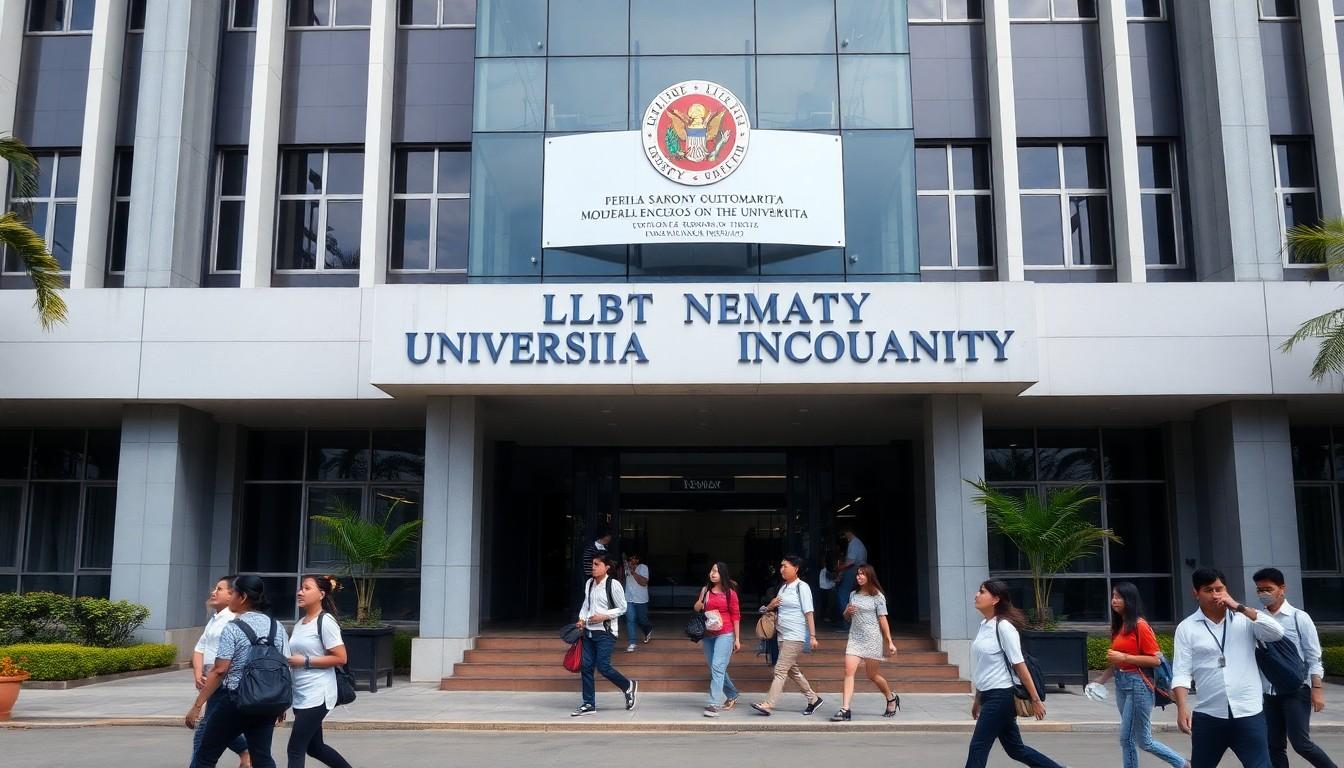
The pressure isn't confined to streets and neighbourhoods. Human rights reporting has documented discriminatory rules at Indonesian public universities, suggesting that LGBTQ students may face institutional barriers as well as social hostility. Education should offer space to learn and belong, yet campus policy can quietly narrow that space.
Legal ambiguity adds another layer of risk. Same-sex relationships aren't generally prohibited across Indonesia, but public morality provisions and regional rules can be interpreted unevenly. The result is a patchwork in which a person's safety may depend heavily on where they live and how local authorities choose to enforce broad standards.
That uncertainty can be especially damaging for trans people, who may already face discrimination in housing, employment and access to healthcare. A law doesn't need to criminalise identity explicitly to make daily life feel precarious.
Scapegoating thrives during political strain
Researchers and activists argue that anti-LGBTQ rhetoric often intensifies during moments of political tension. When governments face anger over corruption, youth unemployment or shrinking democratic freedoms, minorities can become an easy distraction. They have less institutional power, fewer safe avenues for redress and are already surrounded by familiar prejudices.
The pattern also reflects a wider international shift to the right. Debates imported from the United States and Europe, including arguments about gender-separated facilities, can appear in Indonesia even when they don't reflect local LGBTQ activists' priorities. Online politics makes that transfer faster, louder and harder to challenge.
Human rights groups' message is therefore both urgent and practical: condemn violence clearly, investigate attacks independently and resist rules that turn identity into a security problem. Without those safeguards, today's vigilante abuse can become tomorrow's accepted routine.
The safest future starts with protecting people, not turning them into symbols of national anxiety.
Source Reference Map
Story idea inspired by: [1]
Sources by paragraph:
- Paragraph 1: [3], [4]
- Paragraph 2: [3], [4]
- Paragraph 3: [2], [5]
- Paragraph 4: [2], [5]
- Paragraph 5: [6], [7]
- Paragraph 6: [6], [7]
- Paragraph 7: [2], [5]
- Paragraph 8: [2], [5]
- Paragraph 9: [3], [4]
- Paragraph 10: [6], [7]
- Paragraph 11: [2], [3]
- Paragraph 12: [3], [5]
- Paragraph 13: [2], [3]
- Paragraph 14: [2], [3]
- Paragraph 15: [2], [4]