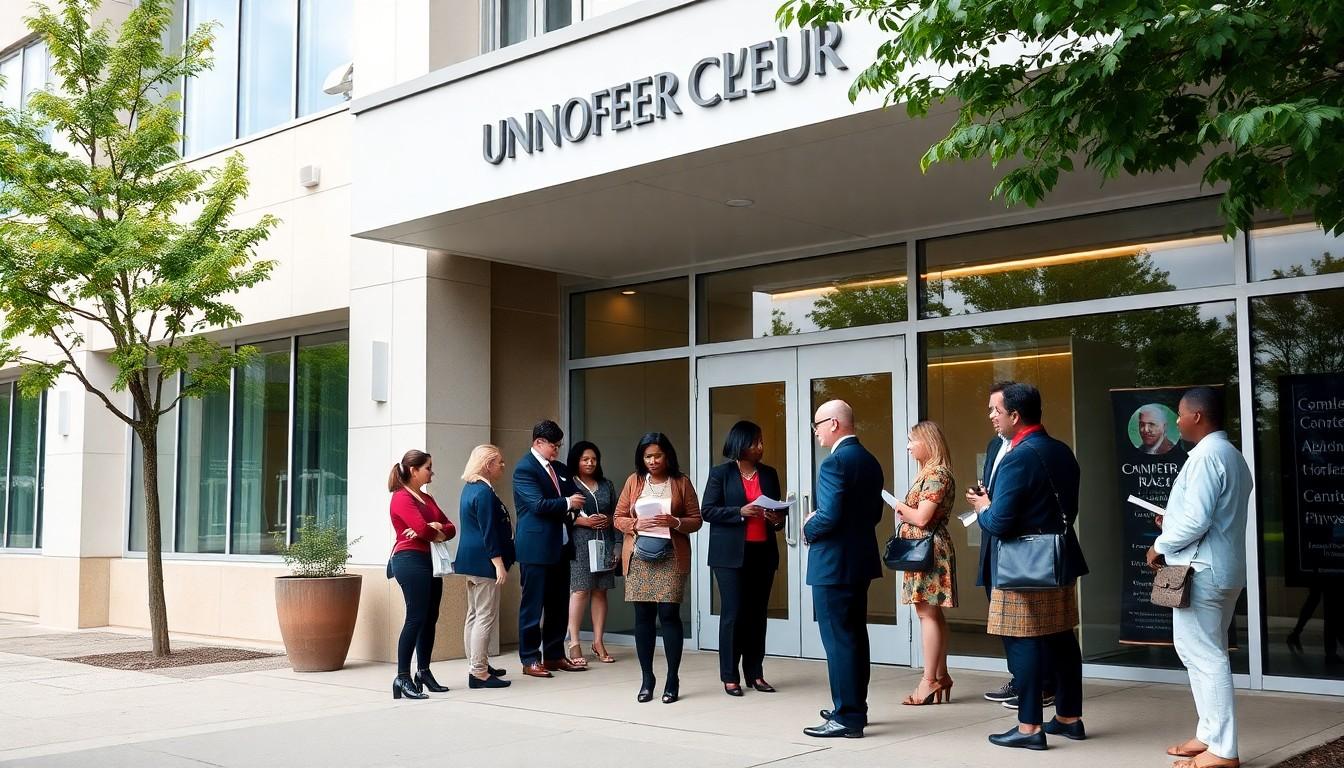
Scholars and cultural workers are being invited to submit papers on queer African lives, memory and contested archives for the African Literature Association’s 2027 meeting at the University of Delaware. The call explores how stories of same-sex desire, gender variance and nonnormative intimacy are preserved, coded or erased, with abstracts due by 15 October 2026.
A new conversation about queer African archives
The call centres on a deceptively simple question: what counts as an archive? For the organisers, the answer extends far beyond shelves, databases and official records. Memoirs, oral histories, films, performances, visual art, literature, language, places and lived experience can all hold traces of queer African existence.
That broader view matters because memory isn't neutral. It can be selective, reshaped by the present or guarded for safety, especially where queerness is wrongly described as un-African. The result is an archive that may feel less like a tidy collection and more like a room filled with half-heard voices, coded references and stories waiting to be recognised.
Why memory, silence and language matter
The panel asks contributors to examine how queer African lives have been remembered, represented, transmitted or concealed across time. It also invites work on the scholars, writers, artists, activists and cultural workers whose contributions helped shape queer African studies but may still sit outside mainstream academic histories.
This emphasis gives the project a welcome human scale. It isn't only about recovering documents; it's about asking who had the power to record, who was allowed to interpret and who remains missing from the story. Research groups focused on African literatures similarly underline the value of interdisciplinary approaches, bringing literary study into conversation with history, culture and social research.
What kinds of papers are welcome?
The organisers are open to approaches spanning literary criticism, cultural studies, performance, film, visual culture and oral history. Papers might explore a single work, a community memory, an overlooked figure or the ways language carries experiences that formal records fail to preserve.
Contributors could also consider how archives are shaped by geography, translation and access. A story held in family memory, an artistic gesture or a coded literary passage may offer important evidence, while still demanding careful interpretation. That makes this a strong opportunity for researchers interested in queer African studies, African literatures and the politics of historical knowledge.
A conference theme with a future-facing edge
The panel forms part of the African Literature Association's annual meeting, whose wider theme is "Archives of the Past, Present, and Future of African Literatures". The event will take place at the University of Delaware from 2 to 4 June 2027.
Its focus isn't simply retrospective. The call also asks what future queer African archives might look like, and how they could become more inclusive, accessible and accountable to the communities whose histories they preserve. That forward-looking element is particularly important: an archive isn't only a record of what happened, but a tool that influences whose lives can be imagined and valued next.
Key dates and submission requirements
Researchers should submit an abstract of no more than 250 words, alongside a brief biography of up to 100 words. Materials must be sent to [email protected] by 15 October 2026.
The call is sponsored by the Queer African Studies Caucus of the African Literature Association. For anyone working across literature, history, gender studies, performance or cultural memory, it offers a focused forum for work that may not fit comfortably within traditional archival categories. Sometimes the most important records are the ones institutions never thought to keep.
A thoughtful submission could help make those living archives harder to ignore.
Source Reference Map
Story idea inspired by: [1]
Sources by paragraph:
- Paragraph 1: [2], [4]
- Paragraph 2: [3], [5]
- Paragraph 3: [6], [7]
- Paragraph 4: [2], [3]
- Paragraph 5: [4], [5]
- Paragraph 6: [6], [7]
- Paragraph 7: [2], [4]
- Paragraph 8: [3], [5]
- Paragraph 9: [6], [7]
- Paragraph 10: [2], [3]
- Paragraph 11: [4], [5]
- Paragraph 12: [6], [7]
- Paragraph 13: [2], [4]
- Paragraph 14: [3], [5]
- Paragraph 15: [6], [7]
- Paragraph 16: [2], [3]