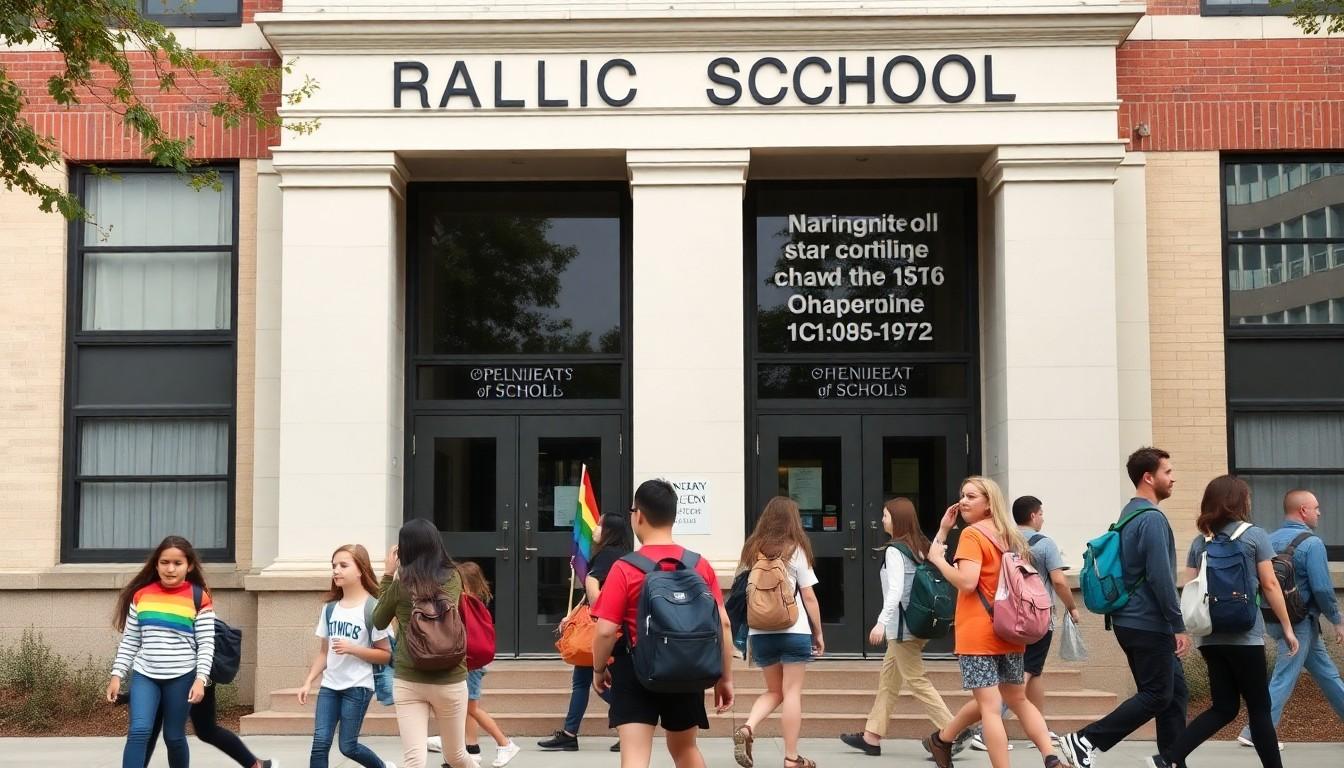
As children return to classrooms across the US and Canada, LGBTQ students face more than the usual first-day nerves. New research and legal analysis suggest that anti-LGBTQ policies, hostile school climates and forced silence can deepen anxiety, isolation and mental-health risks for young people still working out who they are.
Essential Takeaways
- Back-to-school pressure: September can bring excitement, but also renewed exposure to bullying, social judgement and academic stress.
- Silencing matters: So-called “Don’t Say Gay” laws can restrict classroom discussion and make LGBTQ pupils feel invisible.
- Trans pupils face added barriers: Bathroom, sports and parental-notification rules affect daily school life and privacy.
- Mental-health consequences: Research links hostile social environments and anti-trans policies with poorer wellbeing among LGBTQ young people.
- Support helps: Trusted adults, inclusive resources and clear anti-bullying policies can offer practical protection.
The first week back can feel like a fresh start, or a warning
The return to school has a particular emotional texture: polished shoes, crowded corridors and the slightly dusty smell of a classroom that’s been closed all summer. For some pupils, it’s a welcome reunion with friends. For others, it means stepping back into an environment where every word, outfit and friendship may feel scrutinised.
That pressure can be especially sharp for LGBTQ students who haven’t come out, or who are unsure whether school is safe enough for honesty. The American Psychological Association has highlighted the mental-health strain LGBTQ young people can face when identity, family expectations and social hostility collide. A school day may look ordinary from the outside, while inside, a pupil is carefully managing every detail of their performance.
What anti-LGBTQ school rules change
Legal restrictions vary from state to state, but the overall effect can be similar: LGBTQ lives become harder to acknowledge in ordinary school settings. Analysis of so-called “Don’t Say Gay” measures by LegalClarity notes that some laws limit discussion of sexual orientation and gender identity, particularly in younger year groups, while also creating uncertainty for teachers.
That uncertainty matters. A teacher who might once have included a book with same-sex parents, or offered reassurance to a questioning pupil, may now worry about complaints or disciplinary action. For a young person, the message can be chillingly simple: people like you are not meant to be mentioned.
The Williams Institute has also documented the spread of anti-trans legislation affecting young people, including restrictions connected with sport, healthcare and school life. These rules don’t stay on the statute book. They follow pupils into changing rooms, registration, assemblies and conversations with staff.
Trans pupils are being asked to navigate school twice
For trans and gender-nonconforming students, routine school tasks can become logistical and emotional hurdles. Which toilet can they use? Will a teacher use their name? What happens if a school policy requires information to be disclosed to parents before a pupil is ready?
The Williams Institute’s research shows how policies targeting trans young people can narrow their choices and increase exposure to discrimination. Meanwhile, reporting from LGBTQ Nation has linked the wider political climate to heightened distress and suicidality among LGBTQ youth. These findings don’t suggest that identity causes poor mental health. Rather, they point to the damage caused by rejection, surveillance and exclusion.
Schools can make a practical difference by setting clear anti-bullying rules, offering confidential pastoral support where legally possible and ensuring staff know how to respond to harassment. Small signals count, too: a respectful name, an inclusive library shelf and an adult who doesn’t flinch at the word “queer”.
Bullying turns policy into lived experience
A law may be debated in a state capital, but its consequences are felt in lunch queues and changing rooms. UCLA Health has reported that bullying and adverse social conditions can produce measurable harm, reinforcing the link between hostile environments and young people’s wellbeing.
That’s why families should look beyond a school’s prospectus. Ask how it handles homophobic and transphobic bullying, whether pupils can access a counsellor and how staff communicate about names, pronouns and privacy. Parents and carers can also watch for changes in sleep, appetite, attendance, mood or substance use, without turning every conversation into an interrogation.
Support doesn’t need to begin with a grand announcement. A calm message such as, “You can tell me anything, and you won’t be in trouble,” may give a young person room to breathe. For pupils who are questioning, being believed is often more useful than being hurried towards a label.
Why silence can push young people towards risky coping strategies
When students feel they must hide, they may search for other ways to fit in. That can mean mimicking peers, suppressing relationships or using alcohol and other substances to dull anxiety. LGBTQ Nation’s reporting on conversion therapy has also explored how pressure to change or conceal identity can interfere with the healthy development of a young person’s sense of self.
The point isn’t to portray LGBTQ pupils as fragile. It’s to recognise the exhausting work involved in pretending to be someone else, especially while navigating exams, friendships and family expectations. A supportive school won’t remove every difficulty, but it can stop identity from becoming another source of danger.
The longer-term outlook depends partly on whether adults treat inclusion as basic safeguarding rather than a political accessory. As the American Psychological Association and other researchers continue to document, policies and social climates shape mental health. Children don’t need adults to agree on every cultural question. They need adults to make sure they’re safe while growing up.
It’s a small but powerful change: make school a place where no child has to disappear to get through the day.
Source Reference Map
Story idea inspired by: [1]
Sources by paragraph: