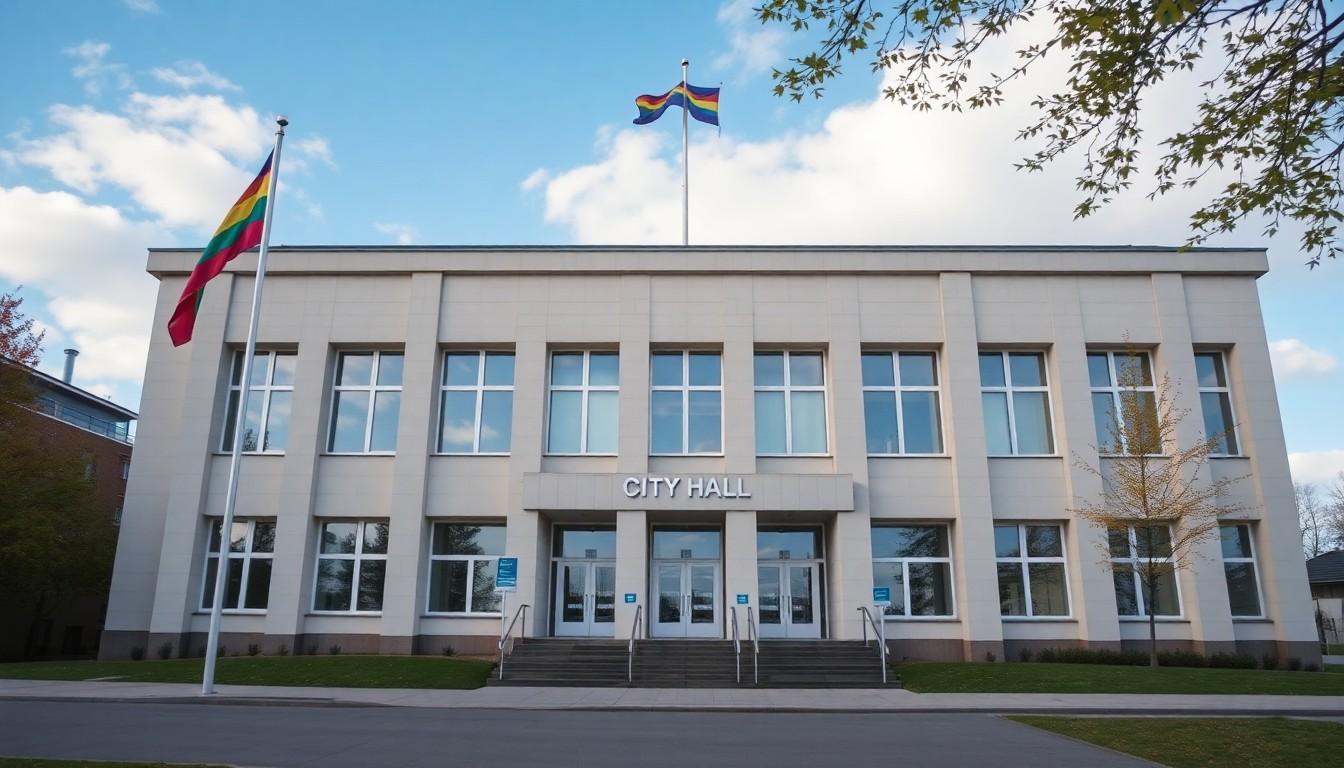
A heated social media debate in Jyväskylä has renewed attention on how sexual minorities are treated in Finland. The argument is bigger than one city post: it shows why everyday equality can be lost when online conversations become partisan battles, leaving people’s right to feel safe, respected and included somewhere in the background.
Essential Takeaways
- The immediate flashpoint: Offensive comments followed a Jyväskylä city social media post about equal treatment for sexual minorities.
- The wider issue: Sexual minorities still experience discrimination, while under-reporting makes the full picture difficult to measure.
- Why polarisation matters: Turning equality into an ideological contest can obscure the basic human question of fair treatment.
- Practical response: Clear moderation, safer-space guidance and calm public communication can make online and physical services more welcoming.
- The central principle: Respect shouldn't depend on a person's political views, identity or willingness to join a public argument.
A social media argument that became something larger
The controversy began with a city social media post featuring the mayor discussing equal treatment for sexual minorities. Instead of keeping the focus on inclusion, the conversation attracted abusive remarks and the familiar online tussle over who was supposedly right or wrong.
That reaction is revealing. The issue wasn't merely whether people agreed with a particular wording or public statement. It was whether someone could be discussed, represented and treated as an equal member of the community without being turned into a political symbol.
Jyväskylä, a major Finnish university city, is hardly unique in facing this tension. But the episode shows how quickly a straightforward message about dignity can become a proxy fight over ideology, according to the city material and Finnish reporting on discrimination. [2], [4], [7]
Equality gets buried beneath political labels
Questions involving sexual orientation are often placed into neat political boxes. They become associated with parties, movements or broader world views, even though a person's right to fair treatment doesn't belong to any one political camp.
That framing can make people feel they must choose a side before they're allowed to speak. For sexual minorities, the cost can be particularly high: a conversation about ordinary safety and belonging starts to feel like a public test of loyalty.
Finnish coverage has highlighted both discrimination and the difficulty of reporting it. When incidents go unreported, public debate can underestimate the problem, while hostile online exchanges may make people even less keen to come forward. [2], [3], [6]
The quiet problem of under-reporting
Discrimination rarely arrives with a neat label. It can be an insult, exclusion from a group, unequal treatment at work or school, or a service environment that quietly signals someone isn't welcome. Some people may not report what happened because they expect little to change, don't know where to turn or simply don't want another exhausting confrontation.
That makes official figures only part of the story. Reports from Finnish equality and human rights organisations have stressed the continuing importance of visibility, support and accessible ways to challenge discrimination.
The result is a frustrating mismatch. Public arguments can be loud, while the everyday experiences that matter most remain almost invisible. A person shouldn't need to become an activist, complainant or social media participant to receive ordinary respect. [2], [3], [6]
Safer spaces need more than slogans
Cities can help by setting clear expectations for staff, services and digital channels. Jyväskylä has published safer-space principles and guidance connected with its services for young people, including digital conduct and respectful participation.
That sort of framework is useful because it turns a broad value into something practical. It can mean explaining what abusive behaviour looks like, moderating comments consistently, offering routes for feedback and making sure staff know how to respond when someone feels targeted.
The same logic applies beyond public-sector accounts. Schools, sports clubs, workplaces and community groups all benefit from rules that are calm, visible and applied fairly. The best guidance isn't theatrical; it simply makes the room, screen or changing area feel less threatening. [4], [5]
Keep the person in view, not the culture war
Public bodies won't avoid every disagreement, and they shouldn't have to. But they can avoid letting provocation set the agenda. A measured response can acknowledge criticism while drawing a firm line around harassment and dehumanising language.
For readers, the practical test is simple: does a comment challenge an idea, or does it target people's right to belong? Those aren't the same thing. Moderators, officials and ordinary users can all help by slowing the conversation down and refusing to reward the most inflammatory contribution.
Equality becomes more credible when it is treated as everyday civic practice rather than a badge of political identity. Most people don't need another online battle; they need to know that public services, workplaces and communities will meet them with basic decency. [2], [3], [5]
It's a small shift in tone, but it keeps the real issue where it belongs: with people, not polarisation.
Source Reference Map
Story idea inspired by: [1]
Sources by paragraph: