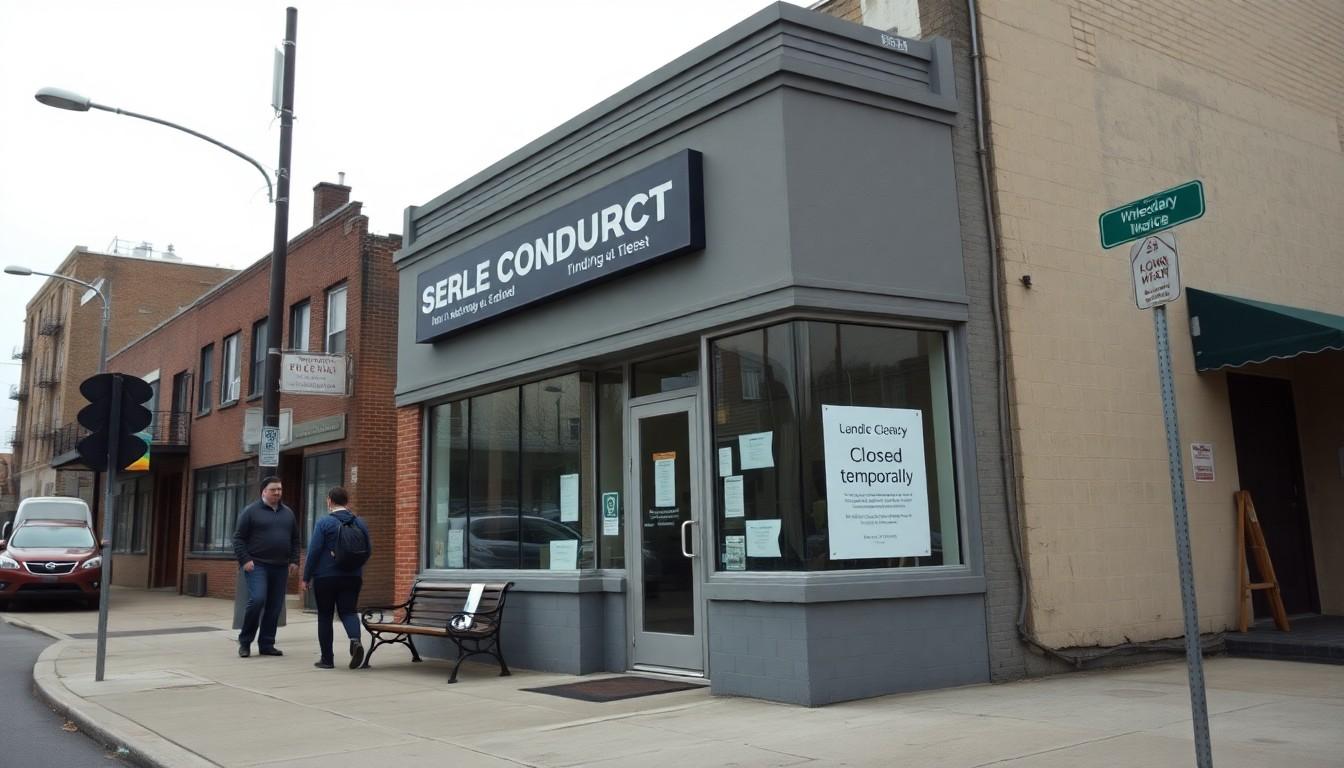
LGBTQ+ organisations worldwide are confronting an extraordinary financial squeeze, with new research warning that nine in ten have lost funding since January 2025. The cuts are threatening shelters, HIV services, legal support and community spaces, leaving groups in some of the most dangerous environments questioning whether they can keep their doors open.
Essential Takeaways
- Funding losses are widespread: 203 of 229 surveyed organisations reported reduced, suspended or lost funding.
- Budgets are shrinking sharply: Nearly half had lost more than half of their overall budget.
- Closure risks are rising: Four in ten groups said they faced severe or immediate danger of shutting down.
- Essential services are affected: Shelters, HIV programmes, legal assistance and emergency support have all been hit.
- Grassroots networks remain active: Organisations are adapting, but rebuilding lost trust and expertise could take years.
Nine in ten groups have felt the squeeze
The scale of the crisis is difficult to ignore. Research from Outright International found that 203 of 229 LGBTQ+ organisations surveyed across 94 countries had experienced a funding reduction, suspension or complete loss since January 2025.
For many groups, this isn't a modest trim around the edges. Nearly half said they had lost more than half of their total budget, while three quarters had lost at least a quarter. According to Outright International's campaign materials, the organisation is now seeking major new investment to protect LGBTQ+ movements and the communities they serve. [2]
The result is an increasingly precarious landscape. Only 3% of respondents described their organisation as financially stable, while four in ten said they were at severe or immediate risk of closure.
Why the cuts are hitting vital services first
Funding reductions rarely stay confined to office costs. They quickly reach the services people rely on, from emergency accommodation and legal advice to HIV testing, treatment and protection from gender-based violence.
Outright International has warned that the disruption is particularly damaging in conflict and humanitarian settings. Organisations supporting communities in places including Ukraine, Lebanon and Nigeria have lost some of the capacity needed to respond quickly when people are displaced, threatened or unable to access state services. Its wider commentary on movement infrastructure makes a similar point: once trusted networks disappear, they can't simply be switched back on. [5]
The human impact is tangible. Safe houses have closed across several continents, while community-led health programmes have been weakened. For someone seeking a quiet room, a confidential test or help escaping violence, a funding decision made far away can suddenly become a very local emergency.
The most dangerous environments face the greatest risk
Outright's findings suggest that organisations working where criminal justice systems are least impartial were more than twice as likely to lose LGBTQ+ funding as those operating in countries with the most impartial systems.
That creates a grim feedback loop. The places where people may need protection most are often the places where organisations have the fewest alternatives when international support disappears. Meanwhile, trans and intersex-led groups face additional pressure, with Outright continuing to emphasise the importance of visibility, safety and direct community leadership. [6]
Examples in the research include an Iraqi group forced to pause activist safety training, an intersex-led organisation in West Africa unable to retain its office and staff, and an Ecuadorian community centre that closed after ten years. These aren't abstract losses. They're buildings, relationships and specialist knowledge vanishing from everyday life.
A funding shock that became a longer-term restructuring
The crisis follows the United States' decision in early 2025 to freeze and then cut substantial parts of its foreign assistance. What began as an abrupt disruption has since become a deeper reshaping of the global LGBTQ+ funding system.
Outright's earlier reporting described immediate effects on emergency shelter, HIV care and protection services. Its later work frames the problem as more permanent, warning that organisations are being pushed to reduce staff, pause programmes and rethink their very survival. The organisation's public campaign calls for $10 million to help stabilise this work, a sign of how substantial the gap has become. [2]
There are wider political consequences, too. Feminist and LGBTQ+ groups have argued that multilateral spaces remain essential for defending gender equality and human rights, particularly as public debate grows more hostile. Their coalition statements underline a simple reality: advocacy organisations need both money and a seat at the table. [4]
Can grassroots movements recover?
They can adapt, and many are doing exactly that. Groups continue to support communities, share resources and find creative ways to keep services moving despite smaller teams and uncertain income. Outright's public events and movement-led initiatives have also highlighted the role of artists, activists and international allies in keeping attention on the crisis. [3]
But resilience has limits. A volunteer network can stretch only so far, and a community centre that closes may take years to replace. As International Transgender Day of Visibility messaging has stressed, recognition matters, but visibility without safety and resources is a thin shield. [6]
The outlook will depend on whether funders treat LGBTQ+ infrastructure as essential rather than optional. Losing an office may look like a balance-sheet problem; losing the people who know how to reach a threatened community is much harder to repair.
It's a small number of funding decisions with enormous consequences for LGBTQ+ communities worldwide.
Source Reference Map
Story idea inspired by: [1]
Sources by paragraph: