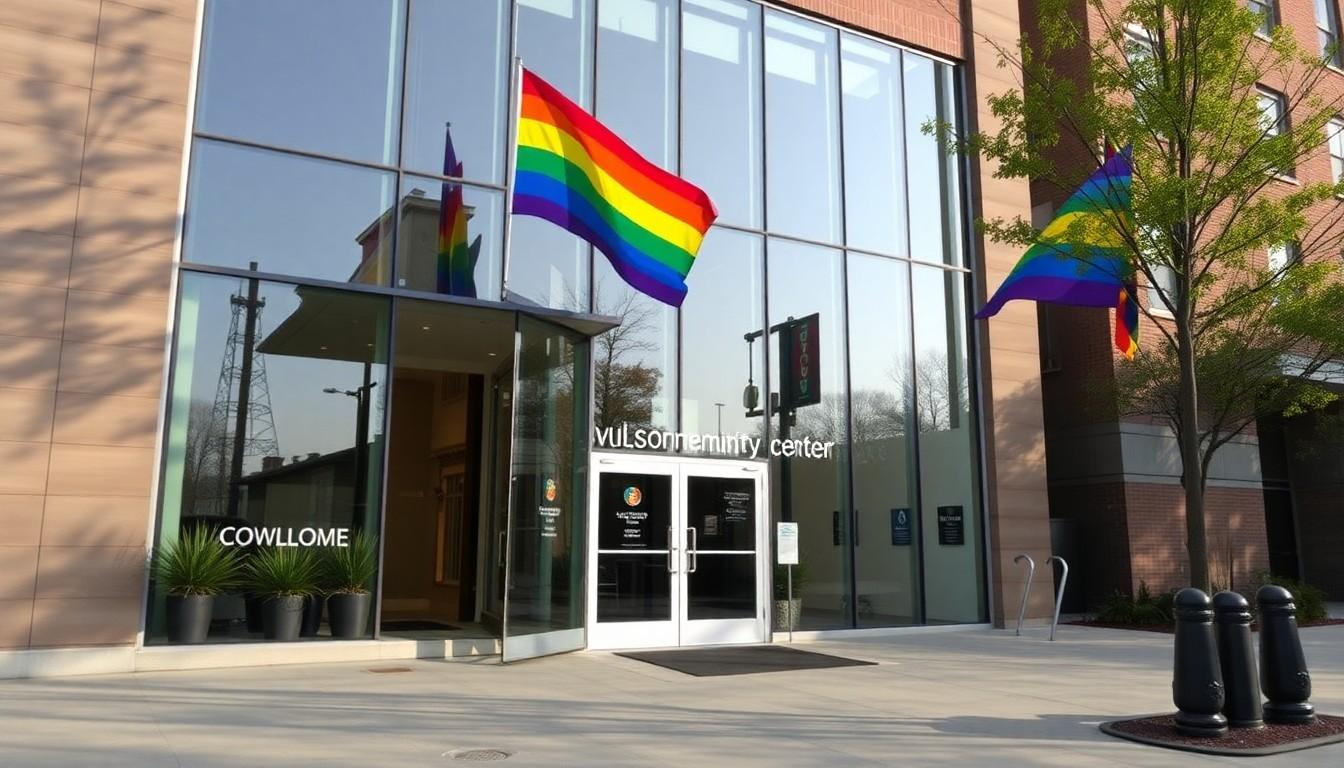
Listeners are reflecting on Black lesbian visibility as Pride celebrations bring questions of representation, joy and history into sharper focus. A new episode of That Black Couple explores familiar cultural figures, persistent barriers and the importance of seeing Black queer lives treated as central rather than peripheral.
Essential Takeaways
- Visibility is personal: Seeing Black lesbians represented can offer recognition, reassurance and community.
- Pride has deep roots: Black and brown queer and trans people were central to the movement's early resistance.
- Representation remains uneven: Greater attention doesn't erase structural barriers in media or public life.
- Joy matters too: Black Pride is about celebration, safety, power and the freedom to be fully seen.
- Stories shape culture: Films, television, podcasts and social media all influence whose lives audiences consider important.
Why Black lesbian visibility feels especially powerful
The latest episode of That Black Couple approaches Black lesbian visibility with warmth, humour and a clear sense of purpose. Jenn and Daren discuss the pleasure of seeing more Black queer women acknowledged in popular culture, while also asking why that recognition has taken so long.
That emotional response is easy to understand. Representation isn't just a casting decision or a social-media talking point. For many listeners, it can be the difference between feeling isolated and recognising a possible future for themselves. Pride's coverage of Black queer identity has similarly emphasised the importance of making space for stories that are often flattened or overlooked.
Representation has grown, but the old gaps remain
The conversation points to artists and performers including Tracy Chapman, Meshell Ndegeocello, Raven-Symone and Lena Waithe. Their work has helped broaden public ideas about Black lesbian and queer identity, although visibility still tends to arrive unevenly and often depends on individual breakthroughs.
A guide from Lesbians on Screen shows just how wide the landscape has become across films and television, but it also underlines an enduring problem: audiences still have to search for many of these stories. That extra effort matters. When representation is scattered, viewers may find themselves grateful for any glimpse, rather than able to expect rich, varied characters as a normal part of entertainment.
Black Pride is about joy, history and power
Black Pride events create room for celebration without asking people to separate joy from political reality. Organisations such as Northwest Black Pride connect the season to community care, cultural pride and resistance, giving the festivities a deeper purpose than colourful branding or a packed calendar of parties.
That history is crucial. Pride began as protest, and Black and brown queer and trans people were instrumental in challenging police violence, discrimination and exclusion. Pride's explainer on Black Pride places that legacy alongside the need for spaces where Black LGBTQ+ people can celebrate without being treated as an afterthought.
Social media can connect people, but it can't fix everything
Online communities have made it easier for lesbian and queer women to find conversation, friendship and support, particularly when local spaces feel limited or unsafe. Psychology Today has explored how social media can help women-loving-women build connection, identity and belonging across geographical boundaries.
Still, digital visibility has its own complications. Platforms can amplify stereotypes, reward outrage and make personal identity feel like public content. So while a podcast episode, film or social post can open an important door, lasting support also depends on real-world community, safer institutions and better opportunities behind the screen.
What meaningful visibility should look like next
The strongest message from the discussion is that visibility shouldn't stop at being seen. Black lesbian stories need room to be complicated, funny, ordinary, romantic, ambitious and imperfect, rather than appearing only when a programme wants to make a statement.
That shift also requires audiences to look beyond a small group of recognisable names. Black Pride reporting and community organisations continue to highlight local organisers, artists and advocates whose work rarely receives mainstream attention. As Pride season develops, the challenge is to celebrate that work while supporting it throughout the year.
Being visible matters, but being valued matters even more.
Explore Black queer stories that make room for joy, history and a fuller sense of belonging.
Source Reference Map
Story idea inspired by: [1]
Sources by paragraph: