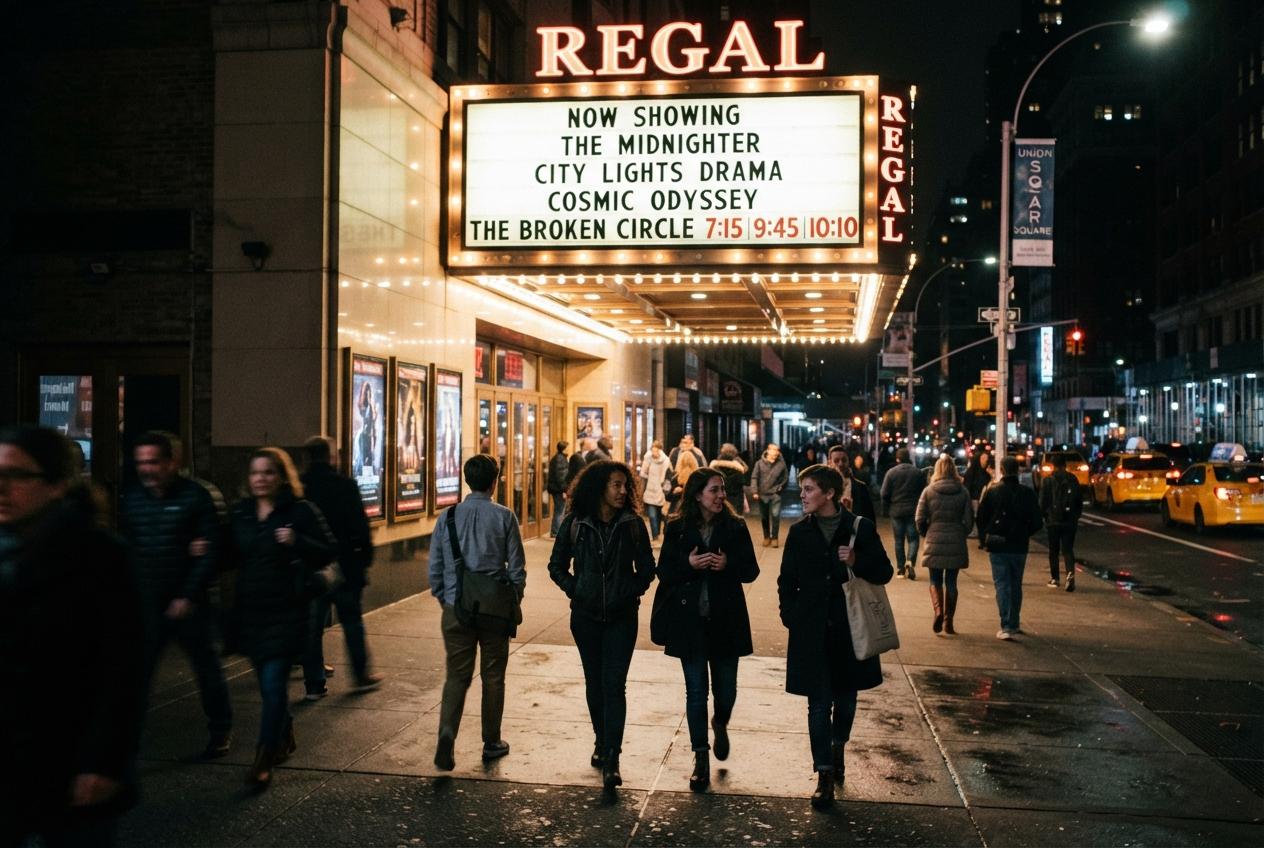
Filmgoers heading to New York’s Regal Union Square from 15 to 20 September can expect a particularly rich queer programme at the New York Latino Film Festival 2026. From ranchero culture and trans parenthood to drag, family and complicated romance, these films bring intimate Latin American and Caribbean stories to the big screen.
Essential Takeaways
- A wide-ranging programme: Features, documentaries, shorts and a web-series episode explore queer life across Mexico, Puerto Rico, Cuba, Brazil and the US.
- A standout documentary: Jaripeo enters the guarded world of queer rancheros in Michoacán, with rodeo spectacle and candid conversations about masculinity.
- Personal stories lead the way: I Am Mario, Nació Simón and TheyDream focus on identity, family, survival and the search for safe spaces.
- Short films add bite: Mystery, romance, comedy and caper stories give the festival programme a lively change of pace.
- Plan ahead: Several screenings overlap, so checking times before booking is essential for anyone hoping to see more than one title.
Queer stories take centre stage in New York
The most striking thing about this year’s queer selection is its breadth. These aren't films built around a single idea of LGBTQ+ life; instead, they move from rural Mexico to Miami, Puerto Rico and Brazil, making room for humour, discomfort, tenderness and outright joy.
That variety gives the programme a pleasingly human texture. One film places viewers beside a rodeo ring, another inside a taxi, while another reconstructs family memories with miniature sets and animation. According to the New York Latino Film Festival listings, the screenings take place at Regal Union Square throughout the six-day festival.
Jaripeo looks beyond the macho surface
The documentary Jaripeo, screening on 17 September, offers one of the programme's most unusual settings. It explores queer rancheros in Michoacán, where rodeo culture, masculine performance and sexuality collide in ways that are often kept private.
The film combines interviews with vivid Super-8 images of bull riding, roping and dancing. That contrast matters: the rough, physical energy of the arena sits beside quieter accounts of flirtation, fear and isolation. The festival description suggests a community where queer men may find recognition, but not always the freedom to build lasting relationships.
For viewers interested in LGBTQ+ documentaries about rural masculinity, this looks like a particularly valuable choice. It doesn't flatten the people on screen into symbols, and the rodeo setting gives the film a tactile, dusty atmosphere that should stay with audiences after the credits.
Trans characters are shown with tenderness
Several features turn towards the emotional pressures of trans life without treating their protagonists as problems to be solved. In I Am Mario, a trans male taxi driver in Mexico faces an unexpected pregnancy, which interrupts his plans for gender-affirming surgery and complicates a new relationship.
The film's premise could easily have been played for shock. Instead, the official festival material presents it as a careful drama about fear, honesty and dignity, with Mario's sister offering practical support while his mother struggles to understand his situation. That emotional balance may be the film's greatest strength.
Meanwhile, Tropical Park keeps its camera in the back seat of a car as a brother gives his trans sister a driving lesson. Their conversation moves between everyday irritations and heavier family wounds, including an unwelcoming father and a seriously ill mother. The fixed viewpoint sounds simple, but it creates the feeling of being a quiet passenger during a conversation that keeps changing direction.
Drag, animation and queer joy bring light
Nació Simón follows Lis, a non-binary Puerto Rican parent who finds strength through their drag king persona, Simón. Filmed across the aftermath of Hurricane Maria and the pandemic, the documentary also considers what happens when performance spaces disappear and people have to search harder for community.
Its most affecting moments appear to come through performance. Drag becomes more than entertainment; it offers release, confidence and a way to be seen on one's own terms. That makes the film a natural companion to TheyDream, another documentary rooted in family and self-expression.
In TheyDream, openly bisexual filmmaker William D. Caballero uses animation, home footage and handmade miniature sets to revisit his Puerto Rican family. The result sounds intimate rather than grand, with warm glimpses of shared creativity, memories of Pride and the gentle awkwardness of making art with a parent. For audiences who like queer documentaries with a soft, homespun feel, this could be one of the festival's emotional highlights.
Don't overlook the shorts programme
The festival's shorter films promise plenty of tonal variety. The Motive offers a compact detective mystery, while Welcome Home, Jeremy Diaz examines the uneasy warmth of meeting an ex again. Pangea leans into friction and flirtation, and Today & Tmrw captures the tentative push and pull between two teenagers.
There is also room for more playful fare. The Long Con follows a bride, a grifter and a suspicious motel manager in a sexy caper, while Turn Away brings a darker twist to a boyfriend's attempt to spring someone from hospital. These are useful choices for viewers who prefer a quick hit of story rather than a full-length emotional commitment.
The Caribbean-focused programme adds Chulo, a romantic short about a relationship threatened by distance, and the Futuro Web Series slot includes Ayô, centred on a Black gay actor struggling with work, love and self-worth. With screenings spread across the festival, it's worth checking the timetable carefully; some of the most intriguing pairings happen close together.
How to choose what to see
Start with the mood you want. Pick Jaripeo for cultural discovery and striking visual texture, I Am Mario for a character-led drama, or TheyDream if family, memory and handmade animation appeal. Tropical Park should suit viewers who enjoy dialogue-heavy films that let performances do the heavy lifting.
If you're short on time, the shorts programmes offer an efficient introduction to the festival's queer range. If you're attending with friends, consider dividing up overlapping screenings and comparing notes afterwards. That may be the best way to catch the programme's smaller discoveries without turning the timetable into a logistical puzzle.
Most of all, these films suggest that queer Latinx cinema isn't a narrow category. It can be rugged, funny, romantic, angry, homemade, glamorous or quietly devastating, sometimes within the same programme.
The festival runs from 15 to 20 September at Regal Union Square Cinema, with tickets and full details available through the New York Latino Film Festival website.
Explore the programme, choose your mood and leave room for a surprise.
Source Reference Map
Story idea inspired by: [1]
Sources by paragraph:
- Paragraph 1: [2], [4]
- Paragraph 2: [3], [6]
- Paragraph 3: [5], [7]
- Paragraph 4: [2], [3]
- Paragraph 5: [4], [5]
- Paragraph 6: [6], [7]
- Paragraph 7: [2], [4]
- Paragraph 8: [3], [6]
- Paragraph 9: [5], [7]
- Paragraph 10: [2], [3]
- Paragraph 11: [4], [5]
- Paragraph 12: [6], [7]
- Paragraph 13: [2], [3]
- Paragraph 14: [4], [5]
- Paragraph 15: [6], [7]