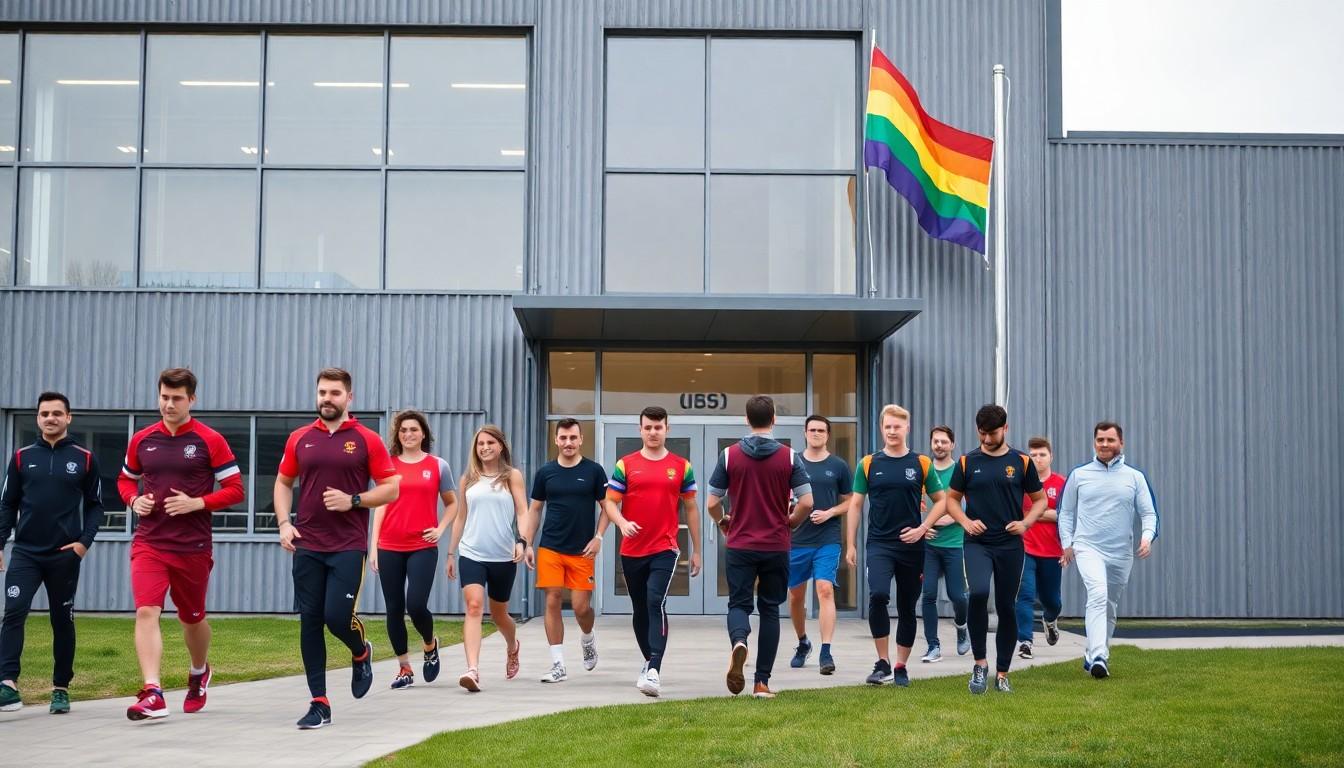
Organisers are putting inclusive sport at the centre of Jyväskylä Pride Week, alongside the Finlandia Marathon. The focus is simple but important: LGBTQ+ people should feel safe and visible as athletes, coaches, spectators and volunteers. By linking Pride with a major sporting event, the city is asking local clubs and teams to make belonging part of everyday training, not just a once-a-year message.
Sport should feel safe for everyone
A changing room should be a place to prepare, chat and concentrate, not somewhere people brace themselves for a careless joke. Yet LGBTQ+ participants can still feel pressure to hide who they are or stay quiet when comments become discriminatory.
That is why the theme, “Movement peace belongs to everyone”, has such a practical edge. According to Jyväskylä Seta, rainbow people are already part of every kind of sporting community, even if their presence isn't always visible. The issue isn't whether they participate. It's whether they can do so as themselves. [2], [3]
Pride and the marathon share a week
The timing alongside the Finlandia Marathon is deliberate. A large public sporting event creates a natural platform for discussing who gets to feel welcome in sport, while Pride brings visibility to experiences that can otherwise remain hidden.
The marathon also connects the message with the everyday reality of movement. Not everyone is chasing a podium; many people simply want to run, train, volunteer or cheer without worrying about judgement. Event information from Central Finland and the University of Jyväskylä shows how the marathon week brings together competition, participation and wider sporting activity. [5], [6]
What local clubs are being asked to do
Jyväskylä Seta is challenging local sports clubs and teams to join the conversation rather than leaving inclusion to city officials or Pride organisers. That could mean reviewing club language, making registration forms more inclusive, setting clear expectations for changing-room behaviour or ensuring that complaints are taken seriously.
Small details matter. A welcome message that doesn't assume everyone's gender, a coach who challenges a slur immediately and facilities that respect privacy can change how safe a session feels. None of this needs to be complicated, but it does need to be consistent. [3], [7]
A responsibility for a sporting city
Jyväskylä's role as Pride Week's main city partner gives the campaign extra weight. The city has described its position as a sporting centre as a responsibility to show leadership and support equal opportunities, including in competitive sport.
That matters because sporting institutions often shape local culture far beyond the pitch. If clubs make inclusion visible in policies, coaching and communications, younger participants are more likely to see sport as somewhere they can belong. The Olympic Committee has likewise highlighted the idea that sport is for everyone, including through participation in Pride activities. [4], [7]
Visibility is only the beginning
A rainbow logo can be encouraging, but it can't replace safer routines or accountable leadership. The real test will come after Pride Week, when ordinary training continues and clubs decide whether the message remains part of their work.
For participants who have felt overlooked, even a clear statement from a coach or team can be meaningful. As one Jyväskylä Seta training specialist noted in the coverage, LGBTQ+ people are present throughout sport, while rainbow identities can still be remarkably invisible. The next step is making that visibility feel normal, supported and safe. [2], [3]
Inclusive sport isn't an extra fixture; it's the foundation of a healthier sporting community.
Source Reference Map
Story idea inspired by: [1]
Sources by paragraph: