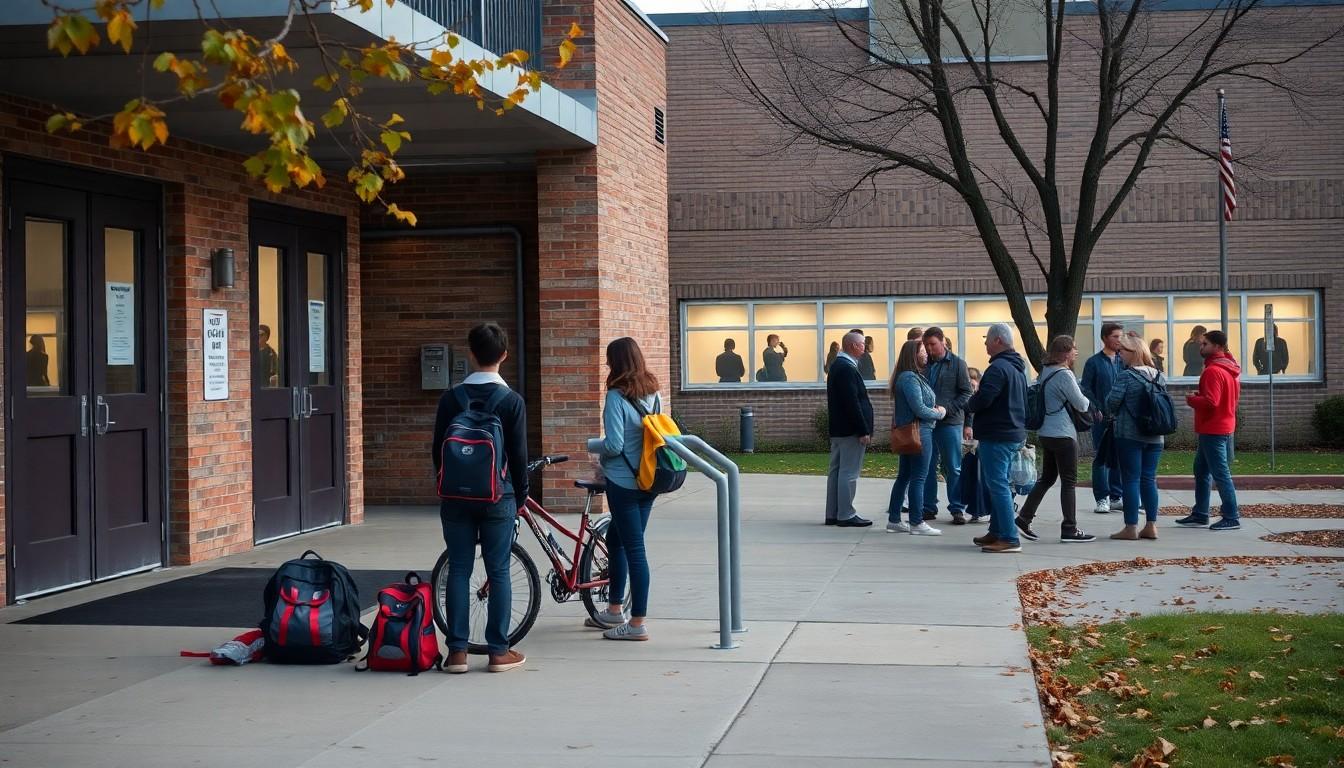
Families are heading back to school amid fresh legal changes affecting LGBTQ+ representation, religious opt-outs and transgender pupils’ participation in sport. Here’s what parents need to know, from checking school policies to documenting concerns, while recognising the inclusive progress already taking shape in classrooms across the US.
Essential Takeaways
- New classroom questions: Recent Supreme Court rulings may affect LGBTQ+ books, lessons and parental exemption procedures.
- Sports rules have shifted: Some states can restrict transgender girls’ participation in girls’ school sport under laws challenged before the Court.
- Policies matter: Parents should review rules covering curriculum, privacy, notification and extracurricular activities.
- Keep a paper trail: Save notices, emails and meeting notes if a child experiences exclusion or discrimination.
- Progress continues: Eight states require LGBTQ+-inclusive teaching, giving many pupils greater visibility at school.
A new school year, with old arguments back in focus
Back-to-school shopping usually means sharpened pencils, fresh trainers and the faint smell of new exercise books. For LGBTQ+ families, though, the start of term can also bring difficult questions about whether their lives will be acknowledged, protected or quietly edited out.
The latest legal landscape makes those questions more urgent. The Supreme Court's decision in Mahmoud v. Taylor gave some parents stronger grounds to request exemptions from lessons they say conflict with their religious beliefs, according to the case materials published by Cornell Law School. Schools must now balance those requests with a curriculum that doesn't make LGBTQ+ pupils and families invisible.
That balance won't be simple. A policy that appears neutral on paper can still leave children feeling singled out if LGBTQ+ stories disappear while other family experiences remain part of everyday teaching.
What the curriculum ruling means for families
The practical impact is likely to be felt through school notices, revised reading lists and new opt-out arrangements. Parents should look for clear information about which lessons are affected, who can request an exemption and how schools will support pupils who remain in class.
It matters because inclusive books aren't merely decorative. They can help children understand classmates whose families, identities or experiences differ from their own. The American Psychological Association's legal briefing on LGBTQ+ student rights highlights the wider educational and wellbeing considerations surrounding inclusion.
Parents don't need to wait for a controversy before asking questions. A friendly message to a teacher or headteacher can establish how the school represents same-sex parents, transgender people and other LGBTQ+ communities in books, displays and lessons.
Transgender pupils face a changing sports landscape
The Supreme Court's decisions in West Virginia v. B.P.J. and Little v. Hecox have allowed states to enforce restrictions on transgender girls competing in girls' school sport under the laws involved in those cases. Legal summaries from Cornell and the American Psychological Association set out the importance of the challenges, while Jurist reported on the Court's ruling upholding bans in West Virginia and Idaho.
For families, the immediate task is finding out what applies locally. State law, district policy, age groups and individual sports can all affect the answer, so a national headline won't necessarily tell parents what their own child can expect at school.
The argument has also become a flashpoint far beyond changing rooms and playing fields. Supporters of trans pupils say debates about sport are too often used to question their place in school life altogether. Even where rules are restrictive, classmates, parents and teachers can still make clear that transgender children deserve dignity and safety.
How to prepare before a problem starts
Start with the school handbook and district website. Look for policies on LGBTQ+ pupils and families, parental notification, student privacy, curriculum content, bullying and extracurricular activities. If the language is vague, ask for clarification in writing.
It can help to introduce yourself to your child's teacher early in the year. Ask how different families are represented in classroom materials and what the school does if a pupil faces harassment or exclusion. Early contact feels less dramatic than raising a concern after an incident, and it gives everyone a clearer starting point.
If something does go wrong, keep records. Save emails and school notices, note dates and names, and write down what was agreed after meetings with teachers or administrators. According to Family Equality's guidance, parents can also seek support from other families, educators and local LGBTQ+ organisations rather than trying to manage the situation alone.
Inclusive education still offers reasons for hope
The legal setbacks are real, but they aren't the whole story. Eight US states have laws requiring LGBTQ+-inclusive curriculum, and implementation is continuing in districts that previously offered little or no representation.
That progress can be meaningful for every pupil, not only LGBTQ+ children. Seeing different families and identities treated as part of ordinary life can make classrooms feel broader, kinder and more truthful. The Advocate's report also notes the connection between inclusive education, representation and pupils' academic experience.
The outlook remains unsettled, but schools still have room to choose thoughtful policies and welcoming practice. For parents, staying informed and organised is a small but powerful way to keep inclusion on the agenda.
Know the rules, keep records and make sure every child can see their family treated with respect.
Source Reference Map
Story idea inspired by: [1]
Sources by paragraph: