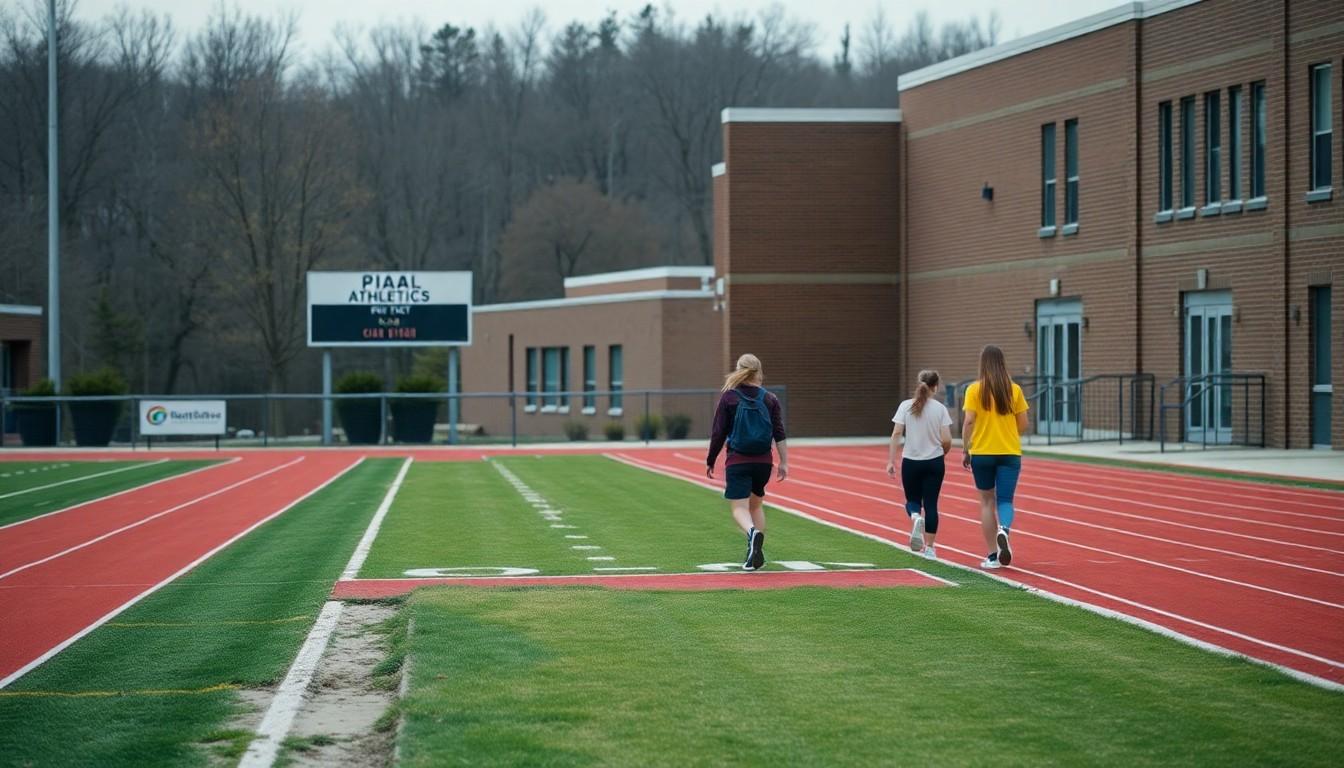
Advocacy groups are urging Pennsylvania’s high-school sports authority to clarify its transgender athlete policy, saying unclear wording could leave students exposed to discrimination. The debate matters because Pennsylvania’s existing protections remain in place, even as national politics and court rulings continue to reshape the conversation around school sport.
Essential Takeaways
- Twelve organisations have written to PIAA: The groups want clearer, lawful guidance for schools and student athletes.
- Pennsylvania has no state ban: The state’s anti-discrimination framework remains relevant to trans pupils.
- The current wording is unclear: Schools are told to establish an athlete’s “sex” when questioned, but the policy doesn’t explain how.
- Families can seek support: Legal and advocacy organisations may help with accommodation plans, complaints and school-board challenges.
- The issue reaches beyond sport: Advocates report rising concerns about harassment, misgendering and hostile school environments.
Why advocates say PIAA’s wording matters
The Pennsylvania Interscholastic Athletic Association oversees school sports across the state, so its guidance carries real weight for pupils, families and school administrators. The concern from LGBTQ+ and student-rights organisations is that a policy can appear permissive while still leaving too much room for inconsistent decisions.
According to the PIAA website, the association sets rules for interscholastic competition across Pennsylvania. That broad role makes clarity especially important: a nervous teenager shouldn’t have to wonder whether joining a team will trigger an invasive or confusing process.
The latest letter, signed by 12 organisations including the Women’s Law Project, the ACLU of Pennsylvania and the Education Law Center of Pennsylvania, asks PIAA to align its approach with state law. The organisations argue that schools should not treat political uncertainty as permission to restrict a student’s participation.
Pennsylvania’s legal protections remain central
The state’s Human Relations Commission explains that Pennsylvania law prohibits discrimination in education on protected grounds. Its education guidance covers unequal treatment in schools and related educational settings, making the wider legal framework important when districts consider policies affecting LGBTQ+ pupils.
That doesn’t automatically answer every practical question about team eligibility, changing rooms or school procedures. But it does mean that districts still have legal responsibilities when their policies affect a student’s dignity, access to activities or educational experience.
The Pennsylvania Human Relations Commission provides information about education discrimination and routes for seeking help. For families, that’s a useful starting point before a disagreement becomes a public confrontation at a school-board meeting.
A federal order helped create the confusion
The dispute follows changes made after President Donald Trump’s executive order concerning participation in women’s sport. Reporting by CBS News Philadelphia and The Philadelphia Inquirer described how PIAA revised its policy language after the order, despite questions about whether the federal directive applied directly to the association or Pennsylvania schools.
The revised wording refers to determining an athlete’s “sex” when it is questioned or uncertain. Critics say it doesn’t make clear who makes that decision, what evidence might be considered or how a student’s privacy and safety would be protected. That’s a recipe for uneven treatment from one district to the next.
A letter published by the Women’s Law Project in 2025 also shows that advocacy groups had already raised concerns about the policy. The latest intervention is therefore less a sudden change of direction than a renewed push for an explanation schools can actually use.
What families can do if a policy feels discriminatory
Start by asking the school for its policy in writing. Keep records of emails, meeting notes and any incidents involving misgendering, harassment or exclusion. A paper trail may feel tedious, but it can make the difference between a vague concern and a clearly documented complaint.
Families can also ask whether the school offers an individual safety or accommodation plan. The Education Law Center has noted that practical support may sometimes protect a student without immediately launching a major legal challenge. That could include agreed communication procedures, named staff contacts or steps to prevent harassment around training and fixtures.
For broader information, the Pennsylvania Human Relations Commission’s education-discrimination resources explain where concerns may be directed. Legal and advocacy groups, including the Women’s Law Project and Education Law Center, can also help families understand their options.
The pressure is unlikely to disappear soon
The Supreme Court’s decisions concerning restrictions on transgender athletes in other states have added fuel to an already heated debate. But national rulings and political announcements don’t automatically rewrite Pennsylvania law, which is precisely why advocates are pressing PIAA to state its position plainly.
The bigger worry is that confusing language can embolden individual districts to act first and ask legal questions later. For trans pupils, that can mean more than missing a match: it can affect whether school feels safe, ordinary and welcoming.
Clear rules won’t settle every argument, but they can prevent schools from improvising around a young person’s identity. In this case, straightforward guidance is not a luxury; it’s the minimum families should expect from a statewide sports authority.
It's a small but important step towards making school sport safer and fairer for every student.
Source Reference Map
Story idea inspired by: [1]
Sources by paragraph:
- Paragraph 1: [2], [4]
- Paragraph 2: [2], [6]
- Paragraph 3: [6], [7]
- Paragraph 4: [3], [5]
- Paragraph 5: [3], [5]
- Paragraph 6: [4], [7]
- Paragraph 7: [6], [7]
- Paragraph 8: [5], [6]
- Paragraph 9: [5], [7]
- Paragraph 10: [4], [7]
- Paragraph 11: [2], [3]
- Paragraph 12: [5], [6]
- Paragraph 13: [3], [5]
- Paragraph 14: [4], [7]
- Paragraph 15: [2], [6]