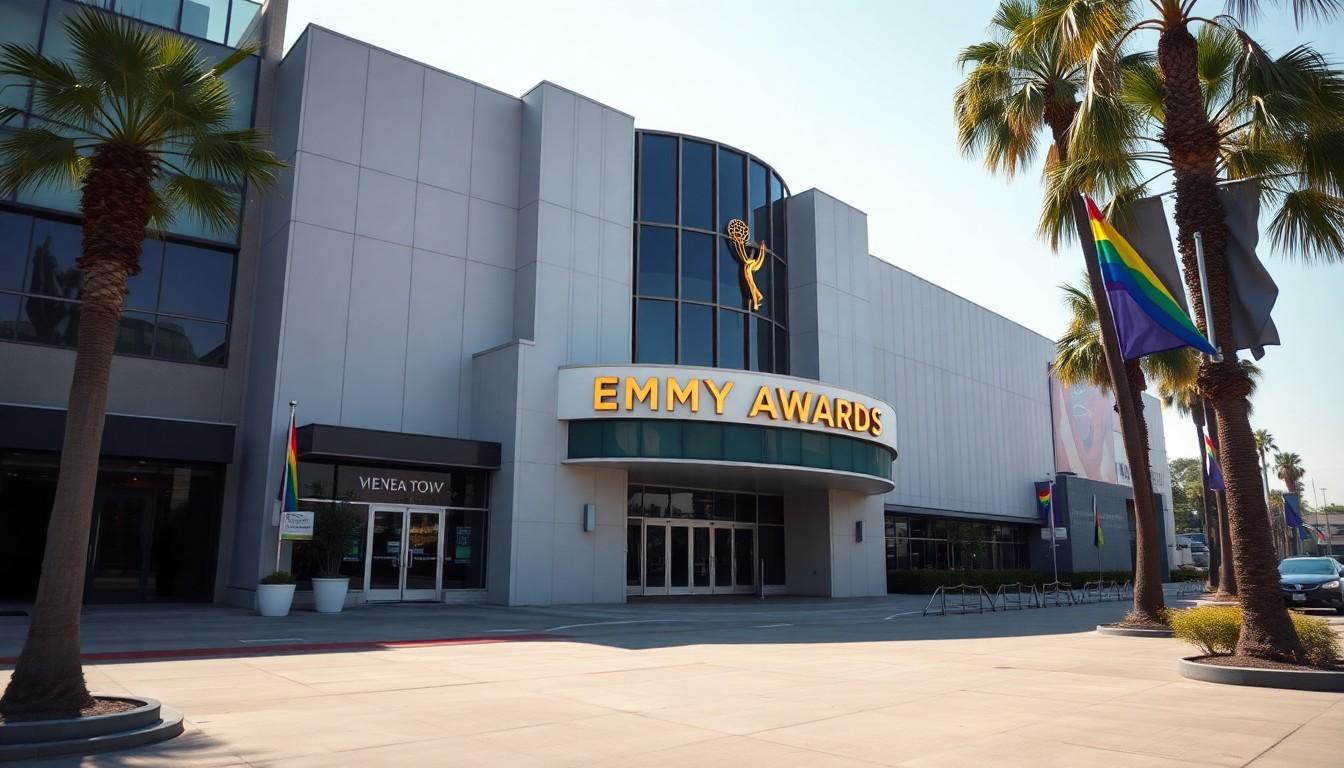
Fans are marking Star Trek's 60th anniversary with screenings, salute records and fresh discussion about its hopeful vision, while the 2026 Creative Arts Emmys spotlight LGBTQ+-connected talent. Together, the stories show how television can entertain, challenge prejudice and keep a devoted audience looking ahead.
Essential Takeaways
- Star Trek turns 60: The franchise's optimistic future remains closely tied to conversations about inclusion and equality.
- Fans are celebrating: Events, screenings and a world-record Vulcan salute are adding a lively, hands-on feel to the anniversary.
- LGBTQ+ talent wins recognition: Shows including Hacks and Pluribus picked up early Creative Arts Emmy honours.
- Alan Cumming adds sparkle: The Traitors host received a presenting award during the ceremonies.
- Pop culture still pushes back: South Park used its Emmy moment to mock Donald Trump's renaming habits.
Star Trek's hopeful future still feels surprisingly current
Sixty years after its first broadcast, Star Trek remains unusually good at making big social ideas feel accessible. Its bridge crews, sleek uniforms and calm, starry optimism offered audiences a future shaped by cooperation rather than fear.
That vision matters because the questions at the heart of the franchise haven't disappeared. As NPR notes, the series continues to resonate amid debates about racism, representation and equity. It's a remarkable achievement for a programme once regarded simply as ambitious science fiction.
The Los Angeles Times has also looked back at the anniversary as a cultural milestone, underlining how deeply the franchise has travelled beyond television. For many viewers, returning to Star Trek feels less like opening an old box and more like revisiting a familiar promise.
Trekkies are turning the anniversary into a shared spectacle
The celebrations aren't confined to a calendar date. According to Space.com, fans are gathering for special screenings, public events and a world-record attempt involving the famous Vulcan salute, which is exactly the sort of joyful, slightly gloriously nerdy gesture that Star Trek inspires.
That communal energy is part of the appeal. A screening can be nostalgic, but a room full of fans raising their hands in unison makes the anniversary feel present and wonderfully tactile. There's costume fabric, excited chatter and, inevitably, someone who knows more trivia than the rest of the audience combined.
The franchise's staying power also comes from its ability to welcome different generations. One person may remember the original series, while another has arrived through a newer cast or streaming-era discovery. The result is a fandom that keeps refreshing itself without losing its old spark.
LGBTQ+ stories take centre stage at the Creative Arts Emmys
Meanwhile, the 2026 Creative Arts Emmys offered a reminder that representation is being recognised across a broad range of television categories. PinkNews reported early wins for Hacks and lesbian-led Pluribus, alongside an award connected with The Traitors and host Alan Cumming.
The ceremonies often reward the crafts that make television work behind the scenes, so these victories aren't merely decorative. They acknowledge writing, performance, production and the creative choices that help distinctive stories reach a wide audience.
BMI's roundup of its 2026 winners adds further industry context, showing how music and other creative disciplines contribute to the programmes people remember. It may happen away from the headline awards, but those details shape a show's mood, identity and emotional afterlife.
Why these awards matter beyond the red carpet
An award can't settle every argument about representation, and it shouldn't be treated as a substitute for meaningful progress. Still, recognition can help give visibility to stories that might otherwise be pushed towards the margins, particularly when LGBTQ+ characters and creators are involved.
The full winners coverage from ScreenRant shows how widely distributed these honours are across television. That spread matters because audiences increasingly discover favourite shows through individual performances, sharp writing, memorable design or a striking musical cue, rather than through one lead star alone.
For viewers choosing what to watch next, the practical lesson is simple: don't stop at the biggest category. Creative Arts winners can be useful signposts for smart, inventive programmes, especially if you're looking for something with a strong ensemble, distinctive voice or richer production detail.
South Park keeps the political satire machine running
Television's sharper edge was also on display when South Park used an Emmy win to make fun of Donald Trump's renaming habits. The Daily Beast described the moment as another example of the animated series turning an awards platform into a punchline.
It's a familiar South Park tactic: take a political fixation, stretch it until it looks absurd, then let the joke do the arguing. Whether viewers find the approach hilarious or exhausting, the show remains confident that pop culture can puncture official language with a well-timed gag.
Placed alongside Star Trek's idealism and the Creative Arts Emmys' recognition of LGBTQ+-connected work, the contrast is striking. One story imagines a better future, another celebrates the people building compelling television now, and the third laughs at the theatre of power.
Television's best moments can still make the future feel possible, the present feel visible and the powerful look faintly ridiculous.
Source Reference Map
Story idea inspired by: [1]
Sources by paragraph: