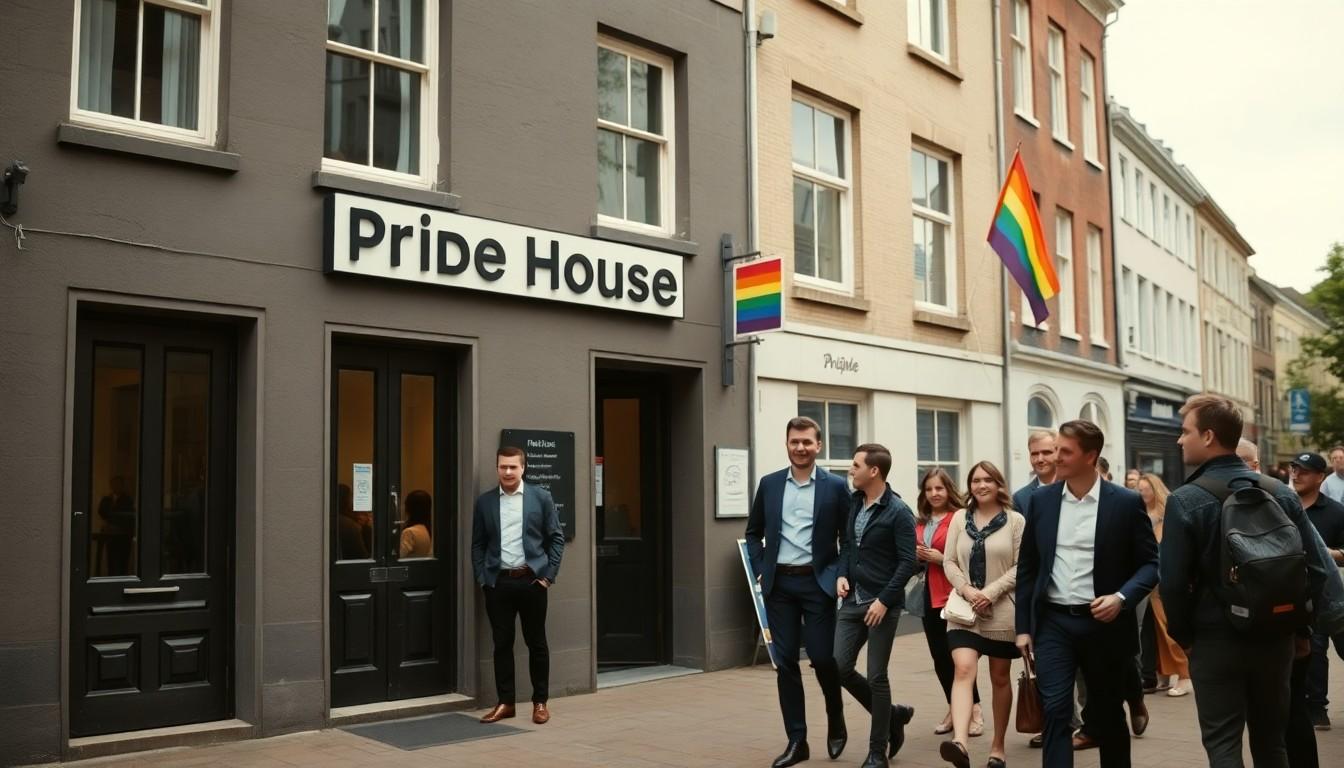
South African trans advocate Yaya Mavundla has returned from WorldPride Amsterdam 2026 after joining five international LGBTQIA+ representatives at KLM’s Pride House. The experience offered a vivid reminder that travel can build solidarity, while also highlighting the continuing gap between legal protection and everyday safety for queer communities.
Essential Takeaways
- A global gathering: Mavundla joined advocates from Mexico, New Zealand, Singapore, Brazil and Poland at KLM Pride House.
- A historic setting: The initiative was hosted at Sofitel Legend The Grand in Amsterdam during WorldPride.
- More than visibility: The conversations focused on safety, dignity, acceptance and belonging across different countries.
- A South African perspective: Mavundla highlighted the distance between constitutional rights and lived experiences, particularly for black transgender people.
- Travel as connection: The journey showed how shared stories can link communities despite language, culture and geography.
A Pride House built around belonging
The strongest impression from Mavundla's Amsterdam trip wasn't simply the scale of WorldPride. It was the softer, more powerful feeling of entering a room where LGBTQIA+ people didn't need to justify their existence.
According to KLM, its Pride House brought together six advocates from countries with very different social and political landscapes. Hosted at the historic Sofitel Legend The Grand, the space was designed as a welcoming base for conversation, cultural exchange and participation in WorldPride events. (KLM)
That setting mattered. A safe space can sound like a modest idea, but for people whose identities are often questioned or threatened, it can feel transformative. Mavundla's experience gave that idea an unmistakably human face. (JoziGist)
Six advocates, many different journeys
The group represented South Africa, Mexico, New Zealand, Singapore, Brazil and Poland, creating a mix of languages, histories and lived realities. Yet Mavundla found familiar threads running through the conversations, especially the need for visibility, safety and acceptance. (Africa Jamz FM)
That doesn't mean the countries face identical challenges. Far from it. The value of the gathering was in recognising that advocacy doesn't follow one universal blueprint. What works in Amsterdam may not translate neatly to rural KwaZulu-Natal, and progress can look very different from one community to another. (Press Express Africa)
Still, the emotional common ground was clear. Each advocate carried the responsibility of speaking not only for themselves, but also for people with fewer opportunities to be heard. It's a heavy role, but shared company can make it feel a little less lonely. (She Comes With Baggage Media)
Amsterdam's queer history offered a useful mirror
WorldPride Amsterdam 2026 included the Canal Parade, WorldPride Village, a human rights conference, cultural events and the WorldPride March. For Mavundla, exploring the city's LGBTQIA+ history added depth to the celebration. (KLM)
A visit to the Queer Amsterdam exhibition prompted reflection on South Africa's own journey. The country is rightly recognised for constitutional protections and the legal recognition of same-sex marriage, but legislation is only one measure of progress. (JoziGist)
For many transgender people, especially those facing economic hardship or living in vulnerable communities, daily life can remain sharply different from the promise of rights on paper. Mavundla also stressed the importance of preserving LGBTQIA+ histories, because archives show younger generations that change has always been built through persistence. (Press Express Africa)
Why travel can become an act of solidarity
The flight from South Africa to Amsterdam was more than a practical journey. It became part of the story, carrying Mavundla into a new environment and a wider network of advocates. KLM positioned the WorldPride partnership around connection between people, cultures and perspectives, and the Pride House gave that idea a physical home. (KLM)
The airline's wider Pride activity also reflects a growing trend in travel: brands are trying to move beyond colourful campaigns and create more visible forms of participation. That approach is more meaningful when it supports real people, real conversations and community-led advocacy rather than stopping at a logo. (Couple of Men)
For Mavundla, connection meant discovering that people can share an understanding of struggle even when their languages and backgrounds differ. She returned home feeling closer both to the advocates she met abroad and to South Africa's LGBTQIA+ community. (She Comes With Baggage Media)
Visibility travels home
The most lasting part of the experience may be what happens after the parade banners come down. International invitations can amplify a voice, but their real value lies in how that visibility travels back into local communities.
Mavundla's story connects global celebration with South Africa's ongoing work around dignity, economic equity, safety and historical recognition. It also shows why representation matters: seeing someone from your own community take up space on an international stage can make possibility feel less distant. (Africa Jamz FM)
WorldPride offered a moment of celebration, but it also underlined the work still ahead. As Mavundla's experience suggests, belonging isn't created by one event or one institution. It grows through repeated acts of listening, protection and solidarity. (Press Express Africa)
A journey across borders can make the world feel bigger, but sometimes it also helps people find their way home.
Source Reference Map
Story idea inspired by: [1]
Sources by paragraph: