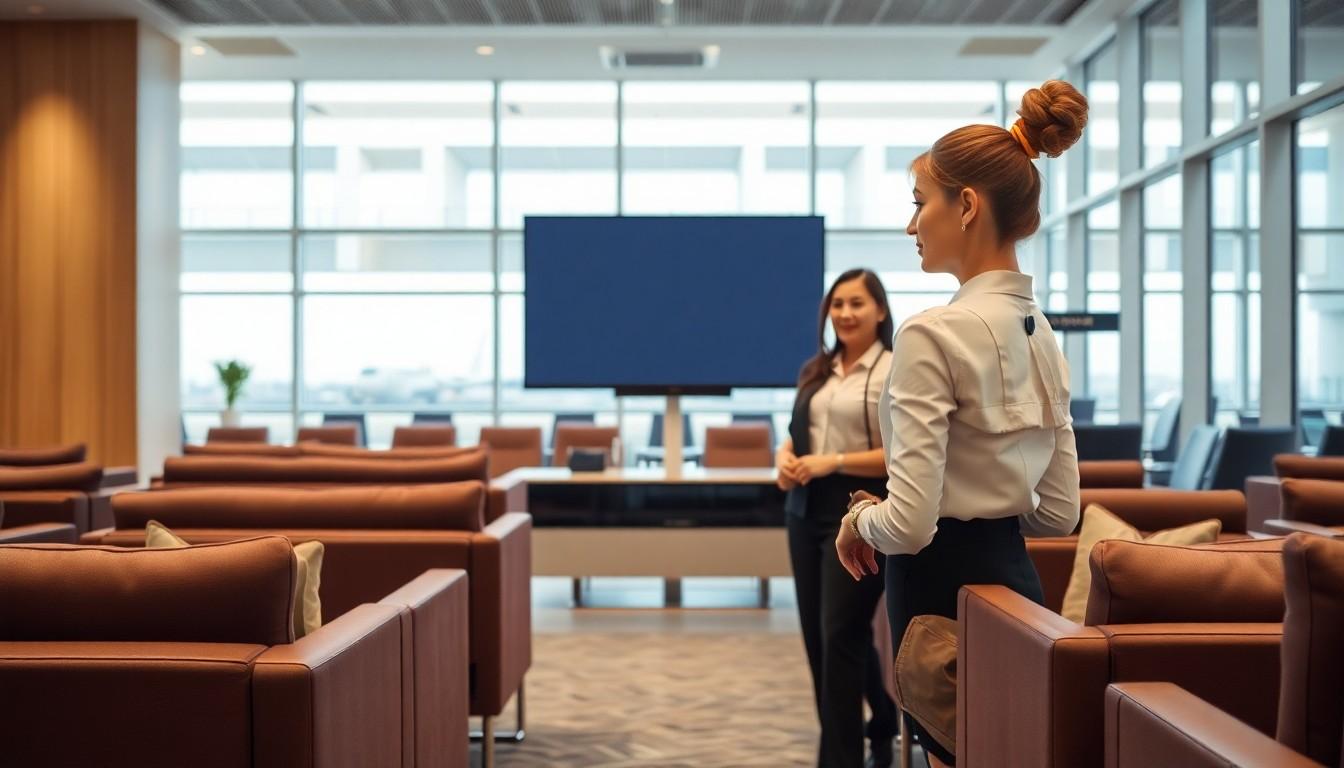
Travellers are questioning how airport lounges manage television content after a nurse said anti-LGBTQ+ commentary was broadcast in a Delta Sky Club at Washington’s DCA airport. Her complaint prompted an internal investigation, renewed attention on workplace dignity and a wider conversation about who controls shared spaces.
Essential Takeaways
- A passenger raised the alarm: Los Angeles nurse Alexis Rose said she complained after hearing anti-LGBTQ+ remarks on lounge televisions.
- The lounge was investigated: Delta reportedly told Rose that the DCA club had breached company policy.
- Staff welfare became central: The complaint focused not only on customers, but on employees who allegedly couldn't change the channel.
- The issue spread online: Rose's TikTok brought public scrutiny after she said her original complaint went unanswered for weeks.
- Policies matter in shared spaces: Delta's Sky Club rules and diversity commitments provide the backdrop for the dispute.
A quiet lounge became the centre of a very public dispute
Airport lounges are designed to feel calm, polished and predictable. Passengers expect a soft chair, something to eat and a few minutes away from the terminal rush, not a television debate that makes the room feel hostile.
According to The Mary Sue, Rose said she visited Delta's lounge at Ronald Reagan Washington National Airport on 1 June, the beginning of Pride Month, and saw Fox News playing across the club's screens. She alleged that the broadcast included rhetoric describing queer identity and transgender people in deeply offensive terms.
Her account quickly moved beyond a customer-service complaint. Rose said the bartender appeared distressed and told her that staff weren't permitted to change the channel. That detail shifted the focus from personal viewing preferences to the atmosphere employees were expected to work in.
Why the staff question matters as much as the passenger complaint
A television in a public lounge can seem like background noise, but repeated exposure to inflammatory content is different when workers are serving customers throughout a shift. The concern becomes especially acute when employees allegedly have no control over what is being shown.
Rose said she asked the bartender whether she could make a formal complaint and later share the issue online. The Mary Sue reported that Rose maintained she had received permission before escalating the matter publicly, an important point given concerns about identifying the employee involved.
The story also prompted a more complicated online debate. Some viewers praised Rose for speaking up, while others questioned whether the bartender's personal identity needed to be mentioned at all. Both reactions underline the same practical lesson: complaints about workplace conditions should protect the worker at the centre of them.
Delta's reported response put policy in the spotlight
After Rose's video gained attention, she said Delta contacted her and began an internal review. AOL reported that the airline later acknowledged the DCA lounge had violated company policy by making customers watch the channel and said the problem had been corrected.
Rose said Delta told her lounge leaders across the country had been made aware of the incident. She also said she appreciated the investigation, rather than receiving a quick refund or a generic apology, although she wasn't given details about any internal disciplinary action.
That distinction matters. Customers often want a visible remedy, but companies rarely disclose employment decisions. The more useful question is whether the airline has clarified who controls shared screens, how staff can raise concerns and what managers should do when content creates an uncomfortable environment.
Delta's public commitments face a real-world test
Delta presents diversity and inclusion as part of its corporate identity. Its diversity information describes efforts to support an inclusive workplace, while its broader company overview places customer and employee experience at the heart of the brand.
Those commitments are easy to read on a website. They're harder, and more meaningful, to demonstrate in a busy lounge where a local decision can affect dozens of passengers and staff members at once.
Delta's Sky Club house rules offer another layer of context, setting expectations for behaviour in these spaces. They don't turn every disagreement over television programming into a formal case, but they do reinforce the idea that lounges should remain welcoming, respectful environments rather than places where staff are trapped with provocative material.
What travellers can do if a lounge feels hostile
If something similar happens, note the airport, lounge, date and approximate time. A calm, specific complaint is more useful than a broad post, particularly when it explains what was shown, how staff responded and whether anyone tried to resolve the issue.
Passengers should also avoid filming identifiable employees without consent. If a worker says they can't change a screen or intervene, ask for a manager or use the airline's formal complaints channel instead of putting that individual under extra pressure.
For airlines, the fix is relatively straightforward: give lounge teams clear control over screens, publish escalation guidance and make sure managers understand that employee wellbeing applies in shared areas too. As Delta's reported response shows, one complaint can expose a policy gap across an entire network.
A lounge should be a place to breathe before a flight, not somewhere staff or customers feel obliged to endure unwanted hostility.
Choose travel spaces where respect is treated as part of the service.
Source Reference Map
Story idea inspired by: [1]
Sources by paragraph:
- Paragraph 1: [3], [4]
- Paragraph 2: [3], [2]
- Paragraph 3: [3], [6]
- Paragraph 4: [4], [5]
- Paragraph 5: [6], [7]
- Paragraph 6: [2], [5]
- Paragraph 7: [4], [7]
- Paragraph 8: [6], [4]
- Paragraph 9: [5], [7]
- Paragraph 10: [2], [3]
- Paragraph 11: [3], [6]
- Paragraph 12: [4], [5]
- Paragraph 13: [6], [7]
- Paragraph 14: [2], [3]
- Paragraph 15: [4], [6]
- Paragraph 16: [5], [7]