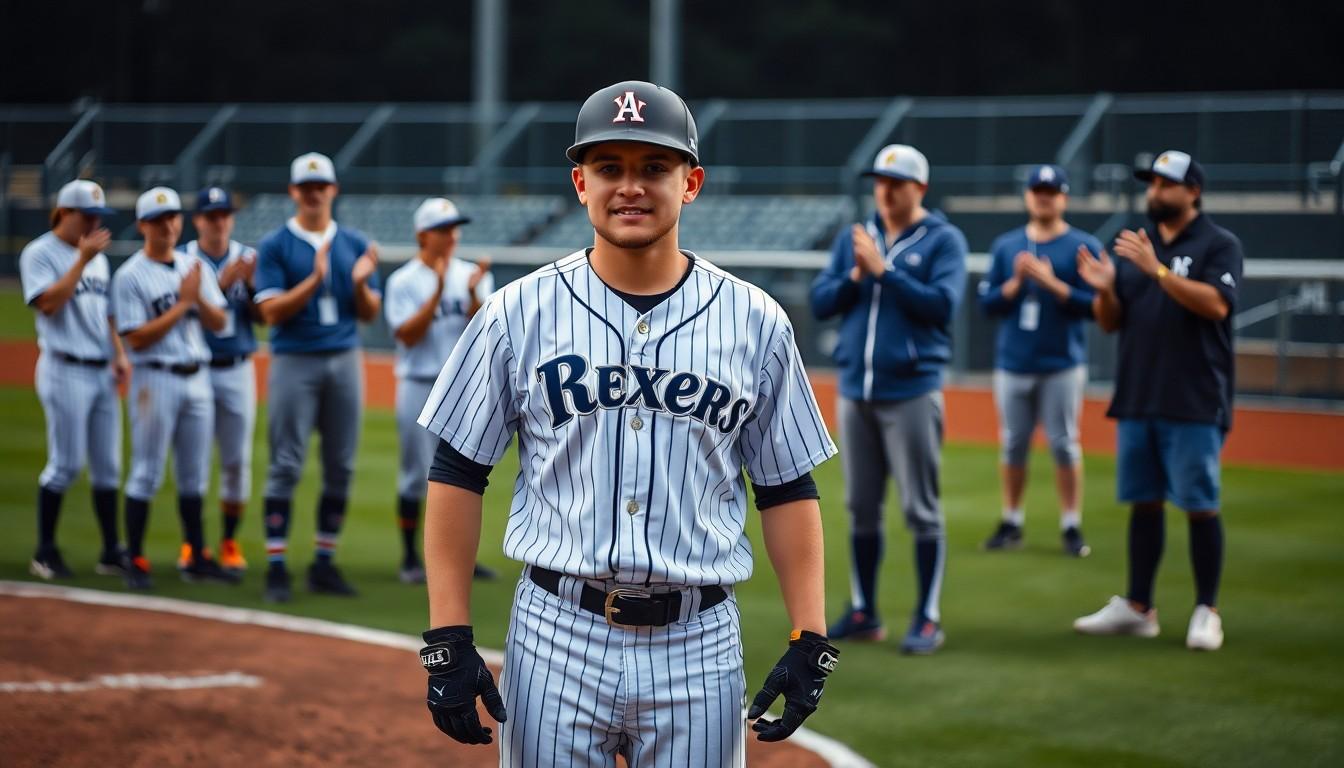
Players, coaches and LGBTQ+ sports pioneers still draw strength from Matt Kaplon's decision to come out to his Drew University baseball team. His quiet, personal approach mattered because it challenged the old locker-room assumptions that had made honesty feel risky, while showing how one athlete's courage can change a team from the inside.
Essential Takeaways
- A private decision: Kaplon wanted teammates to hear the news directly from him, without turning it into a spectacle.
- Sport shaped the fear: Years of casual homophobic language had convinced him that being openly gay might cost him acceptance.
- Support made the difference: His coach and teammates responded warmly, with one player calling the announcement exceptionally brave.
- Visibility changes behaviour: The coach believed knowing Kaplon personally would make the team more thoughtful about its language.
- The story still resonates: Kaplon's experience remains part of the wider history of LGBTQ+ athletes changing sport culture.
Coming out without making a spectacle
There was no dramatic press conference and no carefully staged announcement. Instead, Matt Kaplon stood in front of his Drew University baseball team in a warm classroom and said four simple words: "I'm gay."
The moment was understated, but the stakes were enormous. Kaplon was a respected catcher approaching the final season of his university career, yet he felt his teammates had only ever known part of him. As Outsports reported, he wanted to stop hiding before his remaining time with the team ran out.
That choice still feels striking. In sport, where toughness is often performed loudly, quiet honesty can require more nerve than any grand gesture.
Why baseball felt like a difficult place to be open
Kaplon's anxiety didn't come from nowhere. He had grown up surrounded by sport, and he remembered hearing slurs and dismissive comments in school and baseball settings. Even when remarks weren't aimed at a specific person, they helped create an atmosphere in which being gay seemed incompatible with being a serious athlete.
According to the University Herald, the pressure followed him into college. His sporting identity was central to his life, so there was no easy way to separate the fear from the team environment he relied on every day.
A family holiday near Provincetown offered a rare contrast. Seeing openly gay people there helped Kaplon understand that he wasn't alone, but he still believed he might be the only gay athlete in his world. Stories about other LGBTQ+ players eventually gave him a more hopeful picture.
The teammates who helped him take the next step
Before speaking to the full squad, Kaplon told close friends and his coach. Their reactions gave him room to breathe. His coach, Brian Hirschberg, treated the news as another part of knowing an athlete he already regarded as family.
That support mattered because coming out is rarely a single conversation. It's a series of calculations about safety, trust and belonging, often made while carrying on with training, travel and competition.
One of Kaplon's closest teammates also responded positively, saying the disclosure brought them closer. Towleroad's coverage highlighted the central point: Kaplon hadn't become a different person. His teammates simply understood him more fully.
A locker-room change starts with one familiar face
The team's reaction was immediate and encouraging. After a brief silence, one teammate stood, shook Kaplon's hand and praised the courage it had taken. The squad then applauded.
That response did more than reassure one player. It gave the team a human connection to a subject that had previously been treated as an abstract joke or insult. Hirschberg said the experience would make players more aware of the language they used, because words now had a clear personal consequence.
This is one of the most practical lessons from Kaplon's story. Culture doesn't change only through policies or speeches. It changes when people recognise that someone they respect can be affected by the behaviour they've normalised.
Why LGBTQ+ sports pioneers still matter
Kaplon's story belongs to a broader line of athletes who made it easier for others to imagine an open sporting life. The Advocate later included him among baseball figures who helped challenge the idea that gay athletes had to remain invisible.
That doesn't mean one coming-out story solved every problem. Sport still has uneven records on inclusion, and the pressure to fit a narrow version of masculinity hasn't disappeared. But visibility can shift the boundaries of what teammates, coaches and younger players believe is possible.
Kaplon also wanted to pass on the encouragement he had received from other athletes. His hope was simple: that the next player wouldn't have to spend three and a half years hiding before feeling able to be honest.
It's a reminder that sometimes the most influential teammate is the one who finally gets to be fully himself.
Coming out can change one locker room, but its effect can travel much further.
Source Reference Map
Story idea inspired by: [1]
Sources by paragraph: