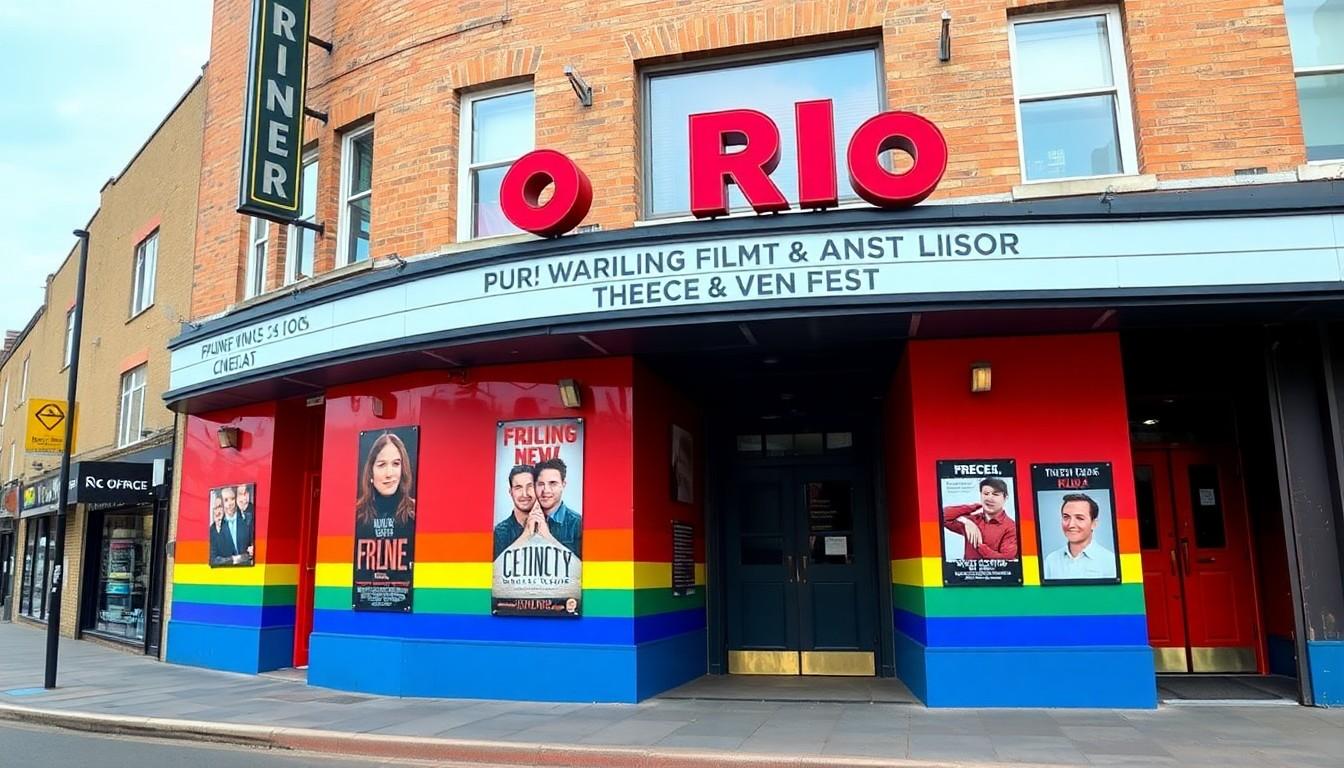
London's Fringe! Queer Film & Arts Fest returns from 11 to 20 September 2026, bringing independent cinema, performances, exhibitions and conversations to venues across East and South London. Now in its 16th year, the volunteer-run festival matters because it gives LGBTIQA+ filmmakers and audiences space to connect, reflect and celebrate stories often overlooked elsewhere.
Essential Takeaways
- A major anniversary: Fringe! reaches its 16th edition in September 2026.
- A city-wide programme: Events will take place at venues including Rio Cinema, Genesis Cinema, The Garden Cinema and UCL East.
- A strong opening film: Body/Land begins the festival with a world premiere and a director Q&A.
- International perspectives: The programme includes films exploring queer life in Iran, alongside wider questions of identity, belonging and freedom.
- More than screenings: Workshops, talks, exhibitions and live performances make the festival feel like a creative gathering, not simply a trip to the cinema.
Fringe! makes queer cinema feel like a London community event
The most appealing thing about Fringe! is its scale. It isn't confined to one polished arts complex or a single red-carpet weekend. Instead, its programme moves through familiar neighbourhood spaces, creating a loose, lively trail of queer cinema and culture across the capital. The festival's 2026 venues include the Rio Cinema, Genesis Cinema, Chats Palace, The Cinema Museum and UCL East. (FilmFreeway)
That volunteer-led spirit is central to the event's identity. Fringe! has been part of London's queer creative scene since 2011, presenting films and arts events throughout the year as well as during its autumn festival. For audiences, that means the atmosphere is likely to feel welcoming and personal, with conversation carrying on beyond the screen. (FilmFreeway)
Body/Land opens the 2026 programme with a thoughtful premiere
The festival opens at the Rio on Friday 11 September with Body/Land, an experimental documentary directed by Siân A. Williams. Its approach combines archive material, interviews and collaborative performances, using care as a way to revisit queer histories rather than treating them as static museum pieces. (FilmFreeway)
The film draws on rare queer home movies by Oscar-nominated animator Paul Berry, held by the North West Film Archive, as well as regional footage and portraits of five artists. Their stories explore the relationship between trans and queer identities and the landscapes people inhabit. A Q&A with Williams follows the screening, giving viewers a chance to unpack the film's deliberately layered form. (FilmFreeway)
The Crowd brings quiet resistance to the big screen
On Saturday 12 September, the Rio hosts the UK premiere of The Crowd, an Iranian film about friends preparing a farewell gathering while living with a devastating loss. The set-up sounds intimate, but the emotional stakes are much bigger: the planned celebration becomes an act of friendship, secrecy and resilience. (Fringe! programme information)
That focus on ordinary people making space for one another is one of the festival's recurring strengths. Rather than presenting queer life only through grand declarations, the programme appears interested in the small gestures that help people survive difficult circumstances. Sometimes a private gathering can carry as much drama as a protest march.
Out Laws asks what freedom really looks like
The weekend closes on Sunday 13 September at Genesis Cinema with Out Laws, shown through Fringe!'s collaboration with The Love Tank and Cutting Ties. The film considers how people might build lives where they can exist without shame, stigma or fear, while confronting the complicated ties that bind them to countries, families, memories and earlier versions of themselves. (OutLawsFilm.com)
The title points towards a difficult but recognisable question: when does protecting yourself mean leaving something behind? It gives the film a political edge, but its core seems deeply human. Audiences won't need to share every detail of the characters' journeys to recognise the uneasy mixture of grief, relief and possibility that comes with starting again. (Irish Film Institute)
Why London's queer film scene still needs festivals like this
Fringe! arrives at a time when audiences are increasingly looking beyond mainstream releases for distinctive international voices and stories shaped by lived experience. Its programme combines film with workshops, panel discussions, exhibitions and performances, so the event can be approached in several ways, whether you're a committed cinephile or simply curious about the wider queer arts landscape. (FilmFreeway)
The spread of venues also makes the festival feel exploratory. A screening at the Rio has a different texture from an event at a museum or university arts space, and that variety suits a programme concerned with memory, identity and place. For anyone looking for queer film festivals in London in September 2026, Fringe! offers both a packed cultural itinerary and a gentler invitation to join the conversation. (UCL East programme materials)
The 16th edition looks set to keep that balance intact: serious about the stories, but open-hearted about the experience. And in a city with no shortage of cultural events, that warmth may be the reason people return.
It's a festival built for watching, talking and finding new ways to belong.
Source Reference Map
Story idea inspired by: [1]
Sources by paragraph: